
How Much Do Painting Services Cost in Denver, CO?
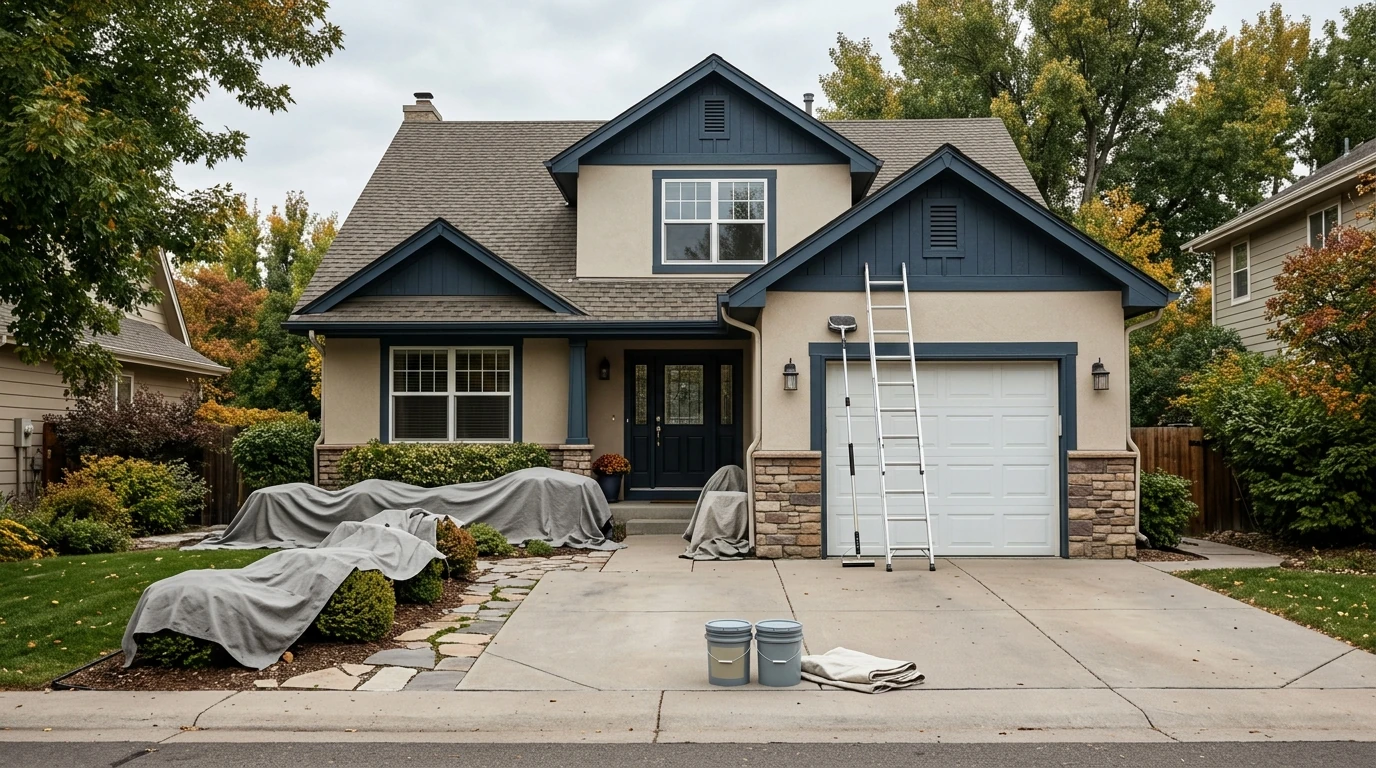
Painting services cost in Denver, CO can feel like a moving target when you start collecting estimates that vary by thousands of dollars for what seems like the same project. Homeowners in Lakewood, CO often wonder whether they are comparing the same scope of work when quotes come back so different. The truth is that surface conditions, project complexity, material quality, and the qualifications of the crew doing the work all play a real role in the final number. Denver's climate adds a few planning factors that are worth understanding before you commit, so you go in with clear expectations rather than surprises.
Interior Painting Project Planning
Most interior painting projects scale with three things: how many rooms you are painting, how tall the ceilings are, and what condition the walls are in right now. A standard 12x12 bedroom with 8-foot ceilings in decent shape is a pretty contained project. Add vaulted ceilings, a wall full of nail holes, or a jump from a deep accent color to a light neutral and the labor requirement grows noticeably.
For a 2,000 square foot home, interior painting usually takes several days. A meaningful portion of that time is prep, not just rolling paint. Every room involves surface cleaning, patching holes, taping off trim, priming where needed, and at least two finish coats. For a 2,300 square foot house, factor in ceiling height variations from room to room, the number of doors and windows that need trim work, and whether the kitchen cabinets are part of the project.
- Ceilings above 9 feet take more time on walls and trim lines.
- Going from a dark color to a light one often requires an extra coat to get even coverage.
- Walls with texture, patches, or mismatched sheen need prep before finish coats go on.
- Trim, baseboards, and door casings are often quoted separately from wall surfaces.
- Cabinet painting in kitchens is typically its own service and adds to the overall scope.
Paint quality matters more than many homeowners realize going in. Higher-grade paints cover better per coat, hold up longer under cleaning, and come with longer manufacturer warranties. On a full repaint, the difference between a mid-range and a premium paint can affect how many coats you need and how the walls look five years from now. If you are planning a complete refresh, full home interior painting covers everything from prep through the final coat.
Exterior Painting in Denver's Climate
Denver's semi-arid climate does a few things to exterior paint that most generic pricing guides do not mention. The intense UV radiation at altitude breaks down paint film faster than it would at lower elevations. Paints formulated for high-altitude conditions and temperature cycling hold up considerably better over time, so the product you specify actually matters here in a way it might not elsewhere.
Stucco is common on homes throughout established neighborhoods across the Denver metro area, and it comes with its own prep needs. You want to inspect for cracks and hairline fractures before painting. Elastomeric coatings are often the right call for stucco because they stretch slightly as the surface expands and contracts with temperature changes. Wood surfaces need thorough sanding, priming, and spot repairs before finish coats will stick and stay.
- Stucco should be inspected for cracks and cleaned before any coating goes on.
- Elastomeric coatings handle surface movement on stucco better than standard exterior paint.
- Wood siding needs sanding, spot priming, and a full prime coat before finish work.
- Brick surfaces require masonry-specific primers that let moisture vapor escape through the wall.
- Power washing before any exterior project removes chalking, dirt, and loose paint that would otherwise cause adhesion failure down the road.
Timing matters for exterior work in Denver. The reliable window runs from late spring through early fall, when daytime temperatures stay consistently above 50 degrees and humidity is low enough for paint to form a proper film. Summer afternoon thunderstorms on the Front Range are a real scheduling factor, so experienced crews plan morning start times that give coats enough time to dry before the weather rolls in. It is also worth checking permit requirements with your local building department before beginning certain exterior work, since requirements vary by municipality. A good power washing phase before the repaint is one of the most reliable ways to extend how long the new finish lasts.
How to Evaluate a Painting Contractor in Colorado
Checking a contractor's credentials in Colorado is not complicated, but it is a step that a lot of homeowners skip when they are excited to get the project started. Colorado requires contractors above a certain project dollar threshold to hold a state contractor license. You can verify that status directly through the Colorado Department of Regulatory Agencies database. While you are at it, ask for certificates of general liability insurance and workers' compensation coverage before anyone sets foot on your property. Without workers' compensation coverage, you could be liable if someone on the crew gets hurt at your home.
A few other things worth asking about before you sign anything. Estimates should be written and detailed enough that you can see exactly what prep work is included, how many coats are specified, and what brand of paint will be used. A verbal-only estimate gives you very little to stand on if questions come up mid-project. Ask whether the crew members are W-2 employees, since that typically means more consistent training and background screening. And request a written warranty that spells out what is covered and for how long, because warranty terms vary quite a bit across contractors.
- Verify active license status through the Colorado Department of Regulatory Agencies before signing anything.
- Ask for certificates of both general liability insurance and workers' compensation from the contractor directly.
- Get your estimate in writing with prep work, coat count, and paint brand all specified.
- Ask whether field crew members are W-2 employees and whether background checks are part of their hiring process.
- Read the warranty terms in writing so you know what defects are covered and for how long.
Whether your home is in a newer subdivision on the south side of the metro or an older established neighborhood closer to downtown Denver, the contractor evaluation process is the same. A thorough walkthrough with a qualified painter surfaces project-specific factors that no online calculator can catch. When you are ready to move from research to a real written scope, full home exterior painting is a natural place to start for exterior projects.
What Actually Drives the Project Scope
Square footage gives you a starting point, but it is rarely the whole picture. The scope grows with the number of surfaces being painted, how much prep work the surfaces actually need, the complexity of trim and architectural details, and the paint system being used. Two homes with identical square footage can sit at very different points on the effort scale depending on those factors.
For a 2,300 square foot home in Denver, the exterior scope reflects how many stories the house has, the linear footage of trim and fascia, whether the siding is stucco, wood, or fiber cement, and whether a fence or deck is included. Interior scope for a similarly sized home comes down to room count, ceiling heights, whether cabinet painting in the kitchen is part of the plan, and the condition of the walls going in.
Denver's altitude also plays a real role. At elevation, paint solvents and water-based carriers evaporate faster than they do at sea level. That affects how much working time painters have during application and how they manage wet-lap lines to avoid visible seams. Experienced crews account for this in both their product selection and their pace. When you are comparing estimates, it is worth asking whether a contractor has thought through how they will handle those application conditions.
Getting the Most Out of Your Painting Project
The durability of a paint project comes down to three things: the quality of the materials, the thoroughness of the surface prep, and the care taken during application. Paint warranties differ significantly across manufacturers and product lines. Some cover film integrity for a defined number of years under normal conditions. Others are narrower. Knowing what your paint warranty actually covers before work begins helps you feel confident in the product tier you are specifying, rather than second-guessing it after the fact.
A little ongoing maintenance goes a long way toward protecting an exterior finish through Colorado's freeze-thaw cycles. Washing exterior surfaces once a year to clear dirt and biological growth, checking caulk joints around windows and trim each season, and touching up any surface damage promptly all add up to a finish that lasts. On the interior side, using the right sheen for each surface makes a real difference: higher-sheen paints on trim and kitchen walls stand up to cleaning without wearing down the film. That kind of proactive care reduces how often a full repaint is needed and keeps surfaces looking good between major projects.
Why Choose Ace Hardware Painting Services Metro Denver
Ace Hardware Painting Services Metro Denver works with homeowners throughout the Denver metro area, including Lakewood, CO and surrounding communities. We use Benjamin Moore paints and stains as our standard, and every residential project includes color consultation with physical color samples so you can see how your palette actually looks in your home's lighting before a single wall is painted. Our workmanship guarantee covers the quality of what we do, and our crews are background-checked W-2 employees, not rotating subcontractors. That matters when you are welcoming a crew into your home for several days. We know the surface conditions, climate factors, and scheduling realities that come with painting in the Denver area, and we factor those into every project plan from the start. When you are ready to move forward, Get an Estimate from our local office and get a written scope built around your specific project.
FAQ
How much do painters charge in Colorado for an average home?
Rates in Colorado vary based on project scope, surface conditions, and material quality. Interior projects are typically quoted by square foot of paintable surface or by room with adjustments for ceiling height and complexity. Exterior projects factor in siding material, number of stories, and how much prep work the surfaces need. A written, itemized estimate is the most reliable way to understand what your specific project will actually involve.
How much does it cost to paint the interior of a 2,000 square foot house in Denver?
A 2,000 square foot home interior covers wall surfaces, ceilings, trim, and doors across multiple rooms. The total scope depends on ceiling heights, how many color changes are involved, the condition of the walls, and whether specialty areas like cabinets are part of the project. Prep work makes up a significant portion of any interior repaint and should be clearly spelled out in any estimate you receive.
How much would a painter charge to paint a 12x12 room?
A standard 12x12 room with 8-foot ceilings in good shape is a relatively contained project. Factors that push the scope up include high ceilings, wall repairs, detailed trim work, or a color change that requires additional coats for full coverage. A professional estimate for a single room will reflect those specifics rather than a flat per-room number.
What affects painting costs most in Denver's climate?
Denver's altitude means more intense UV exposure, which accelerates paint degradation and makes material quality a more important variable than it would be at lower elevations. Temperature swings and freeze-thaw cycles put stress on exterior surfaces and caulk joints, which is why thorough prep work matters so much here. Stucco surfaces common across many Denver neighborhoods may need elastomeric coatings rather than standard exterior paint, which affects both material selection and how the work is applied.
When is the strongest time to schedule exterior painting in Denver?
Late spring through early fall gives you the most dependable conditions for exterior work in the Denver area. Paint needs consistent daytime temperatures above 50 degrees Fahrenheit to cure properly, and Denver's generally low humidity during that window is a real advantage. Summer afternoon thunderstorms are worth planning around, so good contractors build their schedules around morning starts that give coats enough dry time before the weather changes.