
Will Painting My Home Increase Its Value?
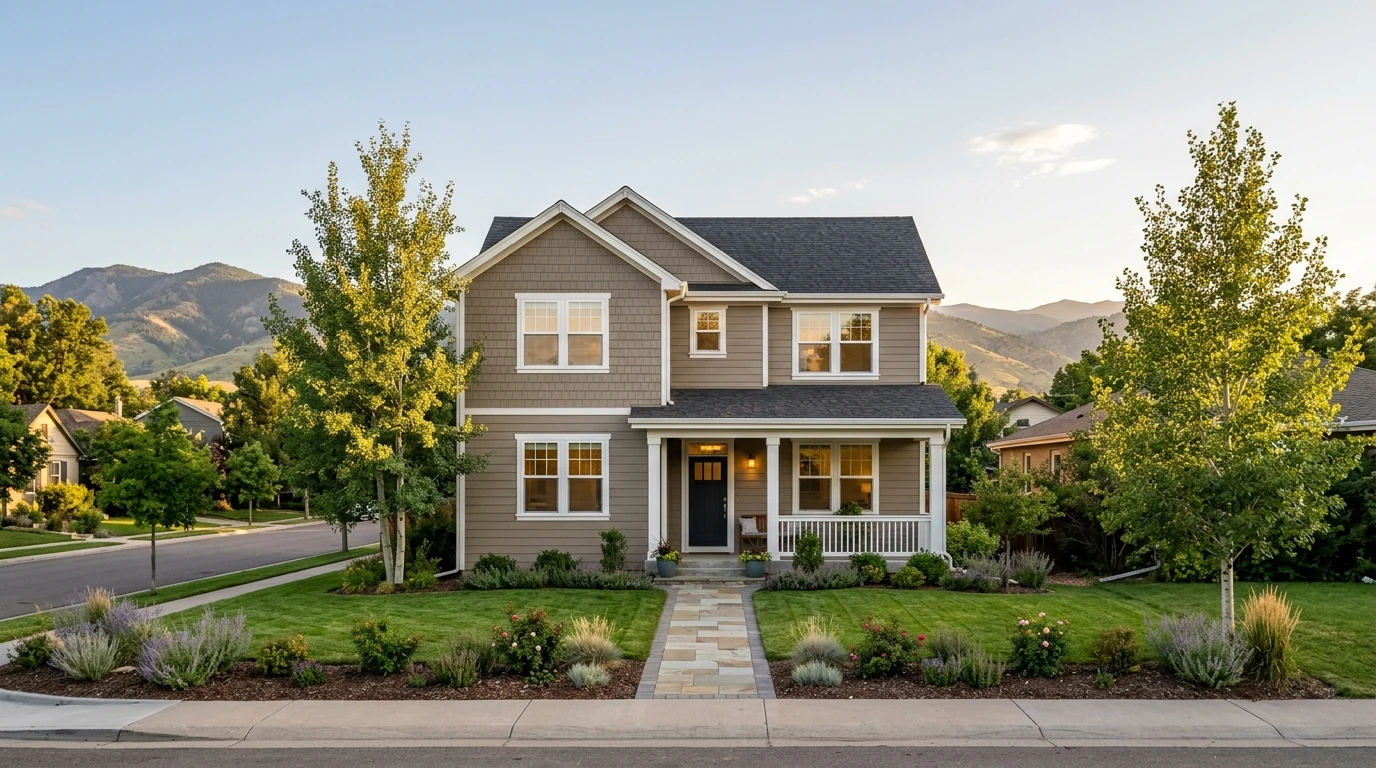
Yes, painting your home can increase its value, and the numbers back that up. If you have been wondering whether painting your home will increase its value, the short answer is that a well-planned paint project, especially on the exterior, consistently ranks among the highest-return improvements you can make before selling. Homeowners in Lakewood, CO see this play out firsthand in a metro Denver market where buyers move quickly toward properties that feel ready to live in from the moment they pull up. A fresh coat of paint is not just aesthetic. It signals that the home has been cared for, protects surfaces from the elements, and shapes how buyers feel before they ever open the front door.
Proven Value Increases from Home Painting Projects
Research from the National Association of Realtors and independent real estate analysts shows that exterior painting can return more than 100 percent of its cost in added resale value under good market conditions. Interior repaints tend to produce a slightly lower direct dollar return, but they shorten sale timelines by presenting a home that feels genuinely move-in ready. Zillow research has also identified specific color choices on front doors and kitchens that correlate with real listing price premiums compared to nearby homes.
Three factors shape how much value a paint project adds: the condition of the existing finish, what buyers at your price point expect, and whether dated colors are quietly turning people away. Homes with peeling, faded, or outdated exterior paint often attract lower offers and sit on the market longer regardless of how nice the inside looks. A professional full home exterior repaint corrects that first impression before buyers ever step inside.
- Exterior painting ROI ranges from roughly 55 to 140 percent depending on condition and market tier.
- Interior neutral repaints reduce days on market by presenting depersonalized, buyer-ready spaces.
- Door and trim accent colors show listing premiums in Zillow buyer perception studies.
- Homes with visibly deteriorating paint draw lower initial offers and more inspection-contingency requests.
Exterior vs Interior Painting: Which Delivers Better Returns
For most single-family homes, exterior painting edges out interior repaints on direct value return. Curb appeal is the very first thing buyers evaluate, and a home that photographs well online gets more showings before anyone talks price. Exterior paint also does real protective work, keeping moisture out of wood, siding, and masonry so small problems do not become expensive ones. Worn exterior paint is a visible maintenance flag that both buyers and appraisers notice immediately.
Interior repaints produce a different kind of return. Freshly painted walls in neutral tones close the gap between the home as buyers see it and the home they can picture themselves living in. Rooms with bold or dated colors ask buyers to mentally plan a renovation, which introduces doubt and justifies a lower offer. A whole-home interior repaint builds cohesion across the entire living space when multiple rooms need updating before you list.
If your budget is selective, start with the exterior, then move to main-level living spaces, and finish with secondary rooms. That order matches the sequence in which buyers form their impressions of a home.
Paint Quality Grades and Their Value Impact
The quality of paint you choose matters more than many homeowners expect. Contractor-grade products can look fine at application but begin showing wear, chalking, or color fade within two to three years. If you are painting purely to sell in the near term, that may be workable. But if you are building equity over five to ten years, that value lift starts eroding before it pays off.
Premium-grade paints hold their color depth, resist surface wear, and stand up to cleaning far better over time. The difference in product cost between standard and premium is usually modest compared to the labor already going into the project. Choosing a better-quality paint over properly prepared surfaces is one of the simplest ways to get more mileage out of the work without adding meaningful complexity.
- Contractor-grade paint typically shows visible wear within two to four years on sun-exposed surfaces.
- Premium-grade products maintain color and sheen significantly longer under direct UV exposure.
- Upgrading paint quality adds relatively little to total project cost when labor is already factored in.
- Satin and semi-gloss finishes on trim and doors hold up to cleaning and daily contact better than flat sheens.
Strategic Color Selection for Maximum Value Boost
Choosing colors for resale is different from choosing colors for yourself. The goal shifts from personal expression to broad appeal, which means picking shades that make spaces feel clean, spacious, and move-in ready rather than ones that reflect your personal style. Neutral palettes do that job reliably, but neutral does not have to mean boring. Warm whites, soft greiges, and muted sage tones feel refined and polished when paired with the right trim contrast.
Neutral Colors That Drive Buyer Interest
For interiors, warm whites, soft grays, and greige tones photograph well, appeal to a wide range of buyers, and make rooms feel larger on screen, which is where most buyers form their first impression. On exteriors, soft gray-blues, warm taupes, and creamy whites consistently outperform brighter or more saturated choices in buyer surveys. Front door colors in deep navy, forest green, or matte black have shown documented listing price advantages when they contrast cleanly against the body color. Pairing thoughtful color choices with a professional color consultation takes the guesswork out of what will actually resonate with buyers in your market.
Architectural Style-Specific Color Strategies
Generic neutral advice works as a starting point, but homes with distinct architectural character benefit from palettes that match their style. Craftsman homes carry established traditions in earthy tones, mossy greens, and warm browns with contrasting trim, and buyers who love that style expect to see it honored. Colonial homes typically look their strongest in white or cream with classic black or deep green accents, and straying too far from that convention can create a visual mismatch. Contemporary homes have more room to experiment, with charcoal bodies, warm white trim, and monochromatic treatments all working well when the lines are clean. Matching your color strategy to your home's architectural vocabulary signals confidence and care to buyers who recognize the style.
How Appraisers Value Paint Improvements
Appraisers do not assign a fixed dollar figure to fresh paint the way they might value an addition or a new kitchen. What they do is assess the overall condition of the property, and paint condition feeds directly into that rating. A home that appraises at a well-maintained condition level versus a showing-normal-wear level can carry a meaningful value difference on otherwise comparable properties.
Think of paint as a proxy for how well the home has been looked after. Peeling exterior paint, water-stained ceilings, and scuffed interior walls all suggest deferred maintenance, which pulls condition ratings down. Fresh paint in good shape does not automatically push a property into a higher condition tier, but it removes the visual cues that would drag it lower. If your home is sitting near a condition threshold, addressing paint deterioration is one of the most direct things you can do to protect the rating an appraiser would otherwise have to qualify downward.
Optimal Timing for Paint Value Maximization
When you paint matters almost as much as what you paint. Exterior painting needs consistent daytime temperatures above 50 degrees Fahrenheit for proper cure, which in most markets means spring through early fall is the reliable window. October can still work in many climates if temperatures cooperate, but the window narrows quickly and humidity becomes a real consideration. For homes planning to list in spring, completing exterior work the prior late summer or early fall gives the finish time to fully cure before photography and showings begin.
Interior painting has fewer weather constraints, but finishing three to four weeks before listing is still a smart move. That window lets any residual odor fully clear and gives you time to address touch-ups before professional photos are taken. The cleanest result comes from painting before furniture is placed and before final cleaning, so photography captures the space at its freshest.
Paint ROI Compared to Other Home Improvements
Kitchen remodels and bathroom renovations can return 60 to 80 percent of their cost in favorable markets, but they take weeks, cost significantly more, and disrupt daily life during execution. Flooring replacement delivers strong returns but requires coordination with staging and adds complexity. Painting typically wraps up in days to a week per area, causes minimal disruption, and sends a positive signal to virtually every buyer regardless of style preference when colors are chosen with broad appeal in mind.
The real advantage of painting is that combination: fast turnaround, universal positive signal, and the ability to address the variables buyers and appraisers notice first. Few other improvements cover that much ground at that scope and speed.
Professional vs DIY Painting for Value Returns
DIY painting can deliver genuine value improvement when the scope is manageable and the prep work is done right. The honest challenge is that buyers and appraisers respond to visible finish quality. Roller overlap lines, uneven edges, missed coverage on dark-to-light transitions, and skipped surface prep all register as quality flags that can undercut the very impression you were trying to create.
Professional application handles the prep steps that make the biggest difference: patching, sanding, priming, and getting consistent coverage on every surface. For exterior projects involving significant ladder height, older homes with potential lead paint concerns, or detailed trim work, professional execution is the more reliable path to the finish quality that actually moves buyer perception and condition ratings in the right direction.
Why Choose Ace Hardware Painting Services Metro Denver
Getting a paint project right before a sale, or simply before another decade passes, does not have to feel stressful. Ace Hardware Painting Services Metro Denver is here to make that process straightforward and genuinely enjoyable from first conversation to finished room. Every residential project starts with premium Benjamin Moore paints and stains, the same quality standard that backs the value retention discussed throughout this page. Color consultation and physical samples are included, so you are not guessing from a chip when you are making a decision that affects how buyers and appraisers see your home. Work is carried out by background-checked W-2 crew members who take real ownership of every surface they touch, and every project is backed by a workmanship guarantee so the result holds up. Homeowners throughout Lakewood, CO and the broader metro area who are ready to move forward with a paint project that delivers real, lasting value can Get an Estimate from our local office today.
FAQ
How much value does exterior painting typically add to a home?
Industry data suggests a well-executed exterior repaint can return between 55 and 140 percent of its cost in added resale value, depending on the home's starting condition and local market. Homes with severely worn or dated paint tend to see the largest absolute recovery because the starting penalty is significant. That return shows up as both higher offers and faster time to contract.
Does paint color actually affect what buyers will pay?
It genuinely does. Research including buyer perception studies from Zillow has identified measurable listing price differences tied to specific color choices on exteriors and interiors. Neutral, broadly appealing palettes reduce the mental friction buyers feel when imagining themselves in a space. Front door colors in deep navy, forest green, or matte black have shown consistent premium associations across multiple markets.
Is it worth repainting if my paint is only a few years old?
That depends on the colors more than the age. Paint that is physically sound but bold, dated, or highly personalized can still suppress buyer interest even if the finish itself is in good shape. If your existing paint is neutral and in good condition, targeted touch-ups or a fresh door color may be all you need rather than a full repaint.
How long does the value lift from a paint project last?
Premium-grade interior paint typically holds its value signal for five to ten years, while exterior finishes generally perform well for five to eight years depending on sun exposure and surface type. The lift starts to erode once the finish shows visible wear or fading. Keeping up with periodic exterior maintenance is the most suitable way to protect the condition rating that a fresh paint job establishes.
Should I paint rooms I am not planning to stage or show?
Yes, and here is why. Buyers and their agents walk through every room, and appraisers assess the whole property, not just the spaces you have polished up. Worn paint or strong personal colors in secondary bedrooms can pull the overall condition impression down even when your main living areas look great. A consistent neutral palette throughout the home tells a much cleaner story from the first room to the last.