
Why Should I Repaint My Home's Exterior?
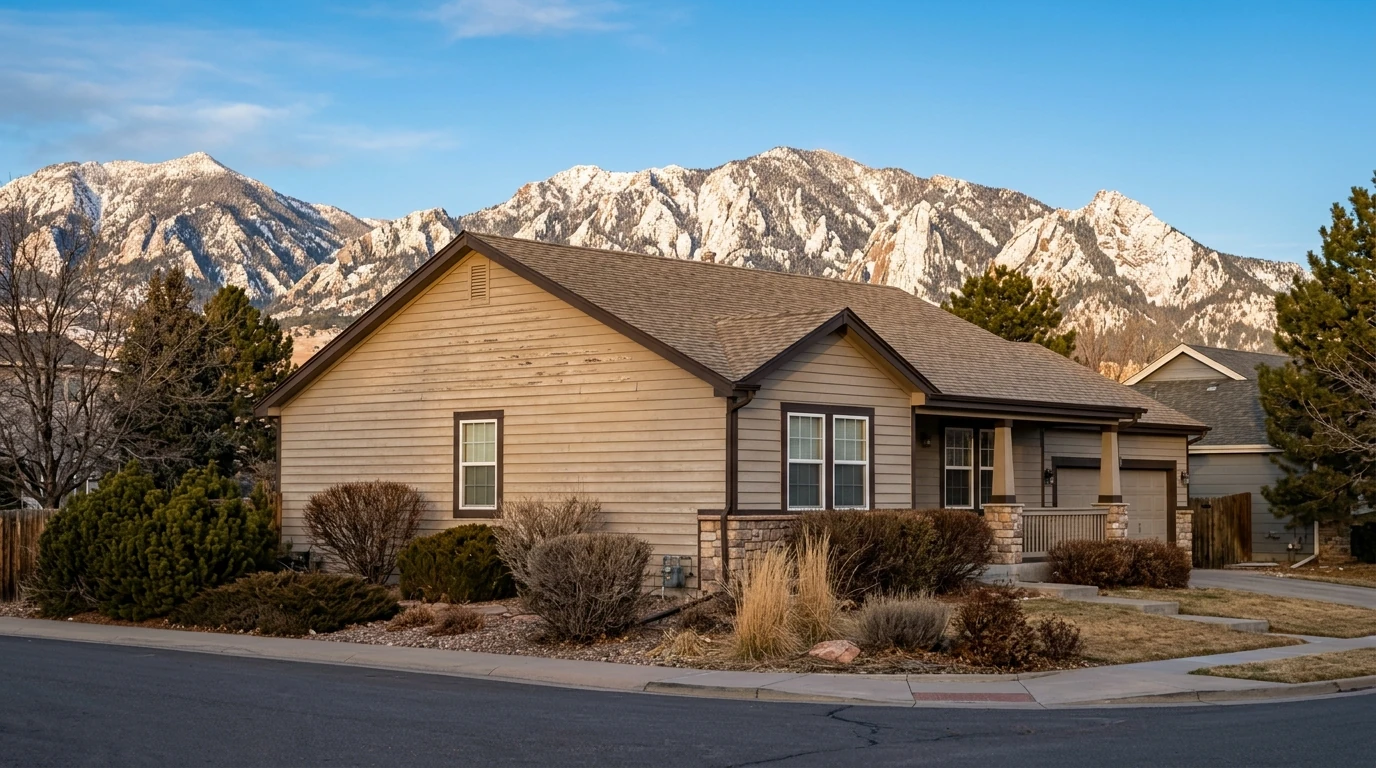
If you have been asking yourself why you should repaint your home's exterior, the short answer is this: your exterior paint is the first line of defense your home has against moisture, sun, and pests - and when it starts to go, things can deteriorate faster than you expect. Homeowners in Lakewood, CO often notice a few subtle warning signs before they realize the paint system has passed its useful life. The good news is that catching it early makes the whole project simpler, less involved, and far less expensive than waiting until real damage sets in. Understanding what to look for and why timely repainting matters puts you in the strongest position to protect your home and enjoy a result you are proud of.
Critical Warning Signs Your Home Needs Exterior Repainting
Paint does not give out all at once. It tends to show you what is happening through a handful of signs that get easier to read once you know what you are looking for. Here are the main ones to walk your home's exterior and check for.
Peeling and Bubbling Paint Damage
Bubbling usually shows up before peeling does. When moisture gets trapped under the paint film, it pushes the surface up into small blisters. Left alone, those blisters eventually break open into peeling sections that leave raw wood exposed to rain and humidity. Once that happens, the wood starts absorbing water, and wood rot can develop surprisingly fast - sometimes within a single season. Catching it at the bubbling stage means you are dealing with prep and repainting. Waiting until widespread peeling and rot have set in means wood repair before the paint crew ever picks up a brush.
Fading and Discoloration Issues
Fading is not just a cosmetic issue. When UV exposure breaks down the pigment and binder in your paint, the protective film starts losing integrity along with its color. South-facing and west-facing walls tend to fade first because they absorb the most direct sun. If you notice significant color differences between the sun-side and shade-side of your home, the paint is no longer performing evenly - and that is a signal worth taking seriously.
Chalky Residue and Caulk Failure
Try running your hand along a painted wall surface. If a white, powdery residue comes off on your palm, the paint is chalking - the binder has broken down to the point where the film is essentially worn out. While you are checking, look at the caulk around your window frames, door frames, and trim joints. Caulk that has cracked, shrunk, or pulled away from the surface lets water into the wall cavity no matter how intact the paint looks from a distance. Both of these conditions need to be corrected before new paint goes on, otherwise the fresh coat will fail for the same reasons the old one did.
If you are seeing any of these signs around your home, a full home exterior painting assessment is a practical next step - before what is minor deterioration today becomes a structural repair down the road.
Financial Benefits of Timely Exterior Repainting
Fresh exterior paint is one of the highest-return maintenance moves a homeowner can make. Buyers notice exterior condition the moment they pull up to a home, and real estate data consistently shows that updated exterior paint can return between 50 and 150 percent of the project scope in added market value. That range depends on the home's condition, neighborhood comparables, and how far the existing paint had deteriorated before the repaint.
The financial case gets even clearer when you compare what timely repainting costs against what deferred maintenance costs. Paint addressed at the chalking or early-fading stage needs standard prep and recoating. Paint that gets ignored until rot develops in the window sills or lower siding boards means carpentry repairs before anyone picks up a brush. The preventive path is almost always narrower in scope.
- Fresh exterior paint signals to buyers that the home has been actively cared for, which builds offer confidence.
- Addressing paint failure before wood rot sets in avoids the added scope of siding and trim replacement.
- Properly sealed exterior surfaces keep moisture out of wall cavities and reduce the risk of moisture-related damage claims.
- Homes with strong curb appeal typically move faster when listed for sale.
Think of timely exterior repainting less as spending money on appearance and more as protecting the structural value already in your home.
Protection Benefits Beyond Appearance
A quality exterior paint system does a lot of work that is easy to overlook until something goes wrong. The finish coat handles UV resistance and water shedding. The primer layer bonds everything to the surface and adds a secondary moisture barrier. Together, they form a continuous sealed envelope around your wood, fiber cement, or masonry that slows down every damaging element the exterior faces.
Pest prevention is one benefit that does not get enough attention. Intact paint seals the small gaps in wood siding and trim that carpenter ants, termites, and wood-boring beetles use as entry points. When paint fails and wood gets exposed or softened by moisture, it becomes much more attractive to wood-destroying insects. Keeping a continuous, intact paint film in place is a real structural defense - not just a visual one.
Energy efficiency is another area where modern paint technology has made a genuine difference. Exterior paints formulated with higher light-reflectance values reduce heat absorption through your walls. On south-facing and west-facing surfaces that get extended direct sun, a paint with stronger reflectance can reduce the heat transferred into the wall cavity. This matters most on older homes where the exterior wall temperature has a more direct path to interior comfort.
Homeowners in the Lakewood, CO area who have completed a full exterior repaint often notice that the home's interior temperatures feel more stable during hot afternoon hours the following summer. That is a real-world sign of how the paint system affects the whole building envelope, not just the way it looks from the street.
Optimal Timing for Exterior Painting Projects
Getting the timing right matters more than most homeowners realize. Paint applied outside the proper environmental window may look fine at first but will fail earlier than it should - which means doing the project again sooner than planned. Here are the key conditions to look for before scheduling.
- Air and surface temperatures should stay above 50 degrees Fahrenheit during application and for at least 24 hours after, for most latex formulations.
- Relative humidity should be below 85 percent so the film can form and release moisture properly.
- Avoid painting in direct midday sun on surfaces that feel very hot to the touch - paint dries too fast and can develop lap marks and adhesion issues.
- High winds accelerate drying too quickly and blow debris into wet paint, so calmer days are better for application.
- Morning application on surfaces that receive afternoon sun usually gives the most consistent results.
A common question we hear is whether October is too late to paint outside. The honest answer is that October is often workable in Colorado - the month on the calendar matters less than the daily temperature pattern. A warm October day followed by a night that drops below 40 degrees creates a problematic cure window. The better approach is to track the 10-day forecast and look for a stretch of stable temperatures above the cure threshold, day and night. Early fall usually provides that window reliably. Once overnight lows are regularly approaching 40 degrees or dropping below it, the risk to cure quality increases and scheduling for the following spring is the safer call.
When you are ready to plan the timing, our crew can walk through the current seasonal conditions and surface situation with you before anything gets scheduled.
Color Selection for Maximum Home Value
Color is one of the most personal decisions in a repaint project, and it is also one of the most practical. The colors you choose communicate perceived quality and care to anyone who sees the home - including future buyers. Muted, classic neutral palettes - warm whites, soft grays, and greyed greens - read as well-maintained and timeless. They also hold up well between repaint cycles without looking dated as design trends shift.
Contrast between body and trim does a lot of the work in making a home look sharp and intentional. A body color paired with a trim color that offers clear, deliberate contrast defines architectural details and gives the exterior a finished look. When body and trim are too close in tone, the exterior tends to look flat and undefined. Highly saturated or trend-forward colors can feel very personal, which sometimes narrows buyer appeal when the home eventually goes to market.
For most homes in established neighborhoods across Lakewood, neutral body colors with clean white or off-white trim remain a solid strategy for both curb appeal and resale positioning. A color consultation with physical samples applied directly to your exterior surface - under your actual light conditions, against your roof and hardscape - takes most of the guesswork out of the decision and helps you feel genuinely confident before paint goes on.
Consequences of Delaying Exterior Repainting
The damage that follows deferred paint maintenance follows a predictable path. Early chalking and fading are surface-level problems that need prep and recoating. If those signs are ignored, the failing film lets moisture work its way behind it. Wood siding starts absorbing water, and the repeated wet and dry cycles cause swelling and contraction that accelerate failure on neighboring sections. Within one or two seasons of unchecked moisture, soft rot can develop in lower boards, window sills, and any horizontal surface that tends to hold water.
Once rot is present, it adds significant scope to what would have been a straightforward repaint. Rotted siding boards need to be cut out and replaced before any prep or painting begins. If moisture has reached the sheathing behind the siding, the scope grows further. A project that could have been handled with prep, primer, and finish coats becomes a multi-step repair involving carpentry work, moisture barrier attention, and then painting.
Beyond the structural side, deteriorated paint reduces curb appeal and affects the market position of the home if you ever decide to sell. Visible wood rot and large sections of peeling paint can also flag a property during insurance renewal reviews - something most homeowners do not think about until it comes up at the wrong time.
Modern Paint Technology and Longevity
Paint formulations have improved significantly over the past decade. Older oil-based systems, while durable in their time, tended to get brittle as they aged. Modern 100-percent acrylic latex formulations flex better across temperature cycles, adhere more reliably to properly prepared surfaces, and recoat faster - which makes multi-coat projects more efficient from start to finish.
Current-generation premium exterior paints also include mildewcide additives that resist biological growth on the paint film, and UV-stabilized pigments that extend the service life before chalking and fading begin. In practical terms, a properly applied exterior repaint using a quality modern product can realistically reach a seven to ten year service life on a well-prepared surface - compared to five to seven years from older formulations in similar conditions.
That said, the prep is still the most important variable. No paint technology compensates for a poorly cleaned or primed surface. Power washing to remove chalk, dirt, and biological growth - followed by proper priming on bare and weathered sections - is what determines whether a quality paint performs to its full potential. A thorough power washing and surface preparation process is not a nice-to-have; it is the single biggest factor in how long your new paint lasts.
Why Choose Ace Hardware Painting Services Metro Denver
A painting project this size can feel like a lot to take on, and we want to make it as straightforward and stress-free as possible for you. Ace Hardware Painting Services Metro Denver works with homeowners throughout the Lakewood, CO area to plan and complete exterior repaints from the first walkthrough to the final coat. Every project uses Benjamin Moore paints, chosen for their pigment quality, adhesion, and durability through Colorado's sun and temperature swings. Color consultation is included with residential projects - that means physical color samples applied to your actual exterior surface so you can see exactly what you are choosing before we commit to a color. The workmanship guarantee backs the finished result. Our crews are background-checked W-2 employees, so you know who is showing up and you have a consistent, accountable team throughout the project. Whether you are acting on early warning signs or planning a full refresh before listing your home, we are here to make sure the project goes smoothly and the result lasts. Get an Estimate and let us walk you through what your exterior repaint project looks like.
FAQ
How often does exterior paint typically need to be reapplied?
Most homes need exterior repainting every five to ten years, depending on the substrate, paint quality, sun exposure, and how thorough the original prep was. Wood siding tends to need attention every five to seven years, while fiber cement and engineered wood products can stretch toward eight to ten years with a quality product and solid prep. Walking your exterior once a year and checking for chalking, fading, and caulk separation helps you catch the early signs before they turn into bigger repairs.
Is it worth repainting if I plan to sell within the next year or two?
Yes, in most cases it is worth it. Buyers and their agents notice exterior condition immediately, and fresh paint signals that the home has been looked after. The return varies depending on market conditions and how far the existing paint had deteriorated, but addressing visible paint failure before listing consistently puts the home in a stronger position against comparable properties nearby.
What is the difference between a full repaint and spot touch-ups?
Touch-ups address specific small areas - a repaired trim section, a patched spot on siding - but they rarely blend with the surrounding faded and weathered paint, and they do not address the overall age of the paint film. A full repaint applies a fresh, continuous film across the entire surface, restoring both protection and appearance uniformly. When a paint system is approaching the end of its life or showing widespread chalking and fading, touch-ups are a short-term measure that delays rather than replaces what the home actually needs.
What should I do to prepare my home before the crew arrives?
Clear plants, patio furniture, and decorative items away from the exterior walls so the crew has unobstructed access to all sides of the home. Cover or move any outdoor fixtures you want protected. It also helps to walk the perimeter ahead of time and note any areas of obvious damage - soft wood, cracked caulk, or gaps in trim - so you can point those out during the initial walkthrough. Surface preparation including power washing, scraping, and priming is handled by the crew as part of the project.
Can exterior painting be done in cooler fall weather, or does it need to wait until summer?
Exterior paint can absolutely be applied in cooler weather as long as air and surface temperatures stay consistently above 50 degrees Fahrenheit during application and through the 24-hour cure window that follows. Early fall in Colorado often provides reliable painting conditions before overnight lows start dropping toward freezing. The key is watching the forecast for a stable stretch of temperatures above the cure threshold rather than going by the calendar date alone.