
How Long Does Cabinet Painting Take?
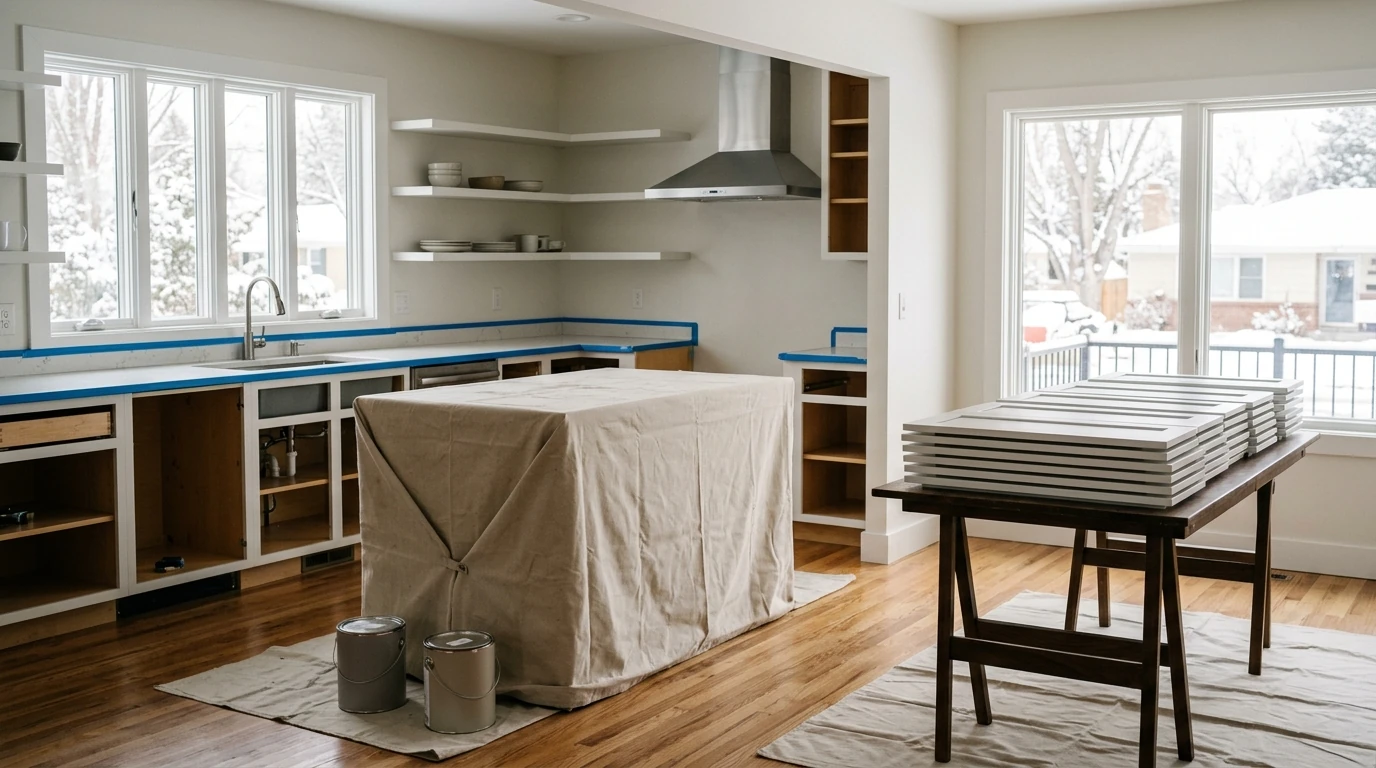
Cabinet painting takes anywhere from 3 to 10 days for most kitchens, and how long the project takes really comes down to your kitchen size, the condition of your existing finish, and the type of paint being used. Homeowners in Lakewood, CO planning a cabinet refresh deserve a realistic picture of each phase before the first door comes off its hinges. Rushing the process shortens the life of the finish. Understanding the timeline up front means fewer surprises and a result you will actually be happy with for years to come.
Typical Cabinet Painting Timeline Overview
Most professional cabinet painting projects run 5 to 7 days from initial setup through final hardware reinstallation. That window assumes an average kitchen, surfaces in reasonable condition, and moderate indoor humidity. Small kitchens can wrap up in 3 to 5 days. Large kitchens with lots of detail work or heavier prep needs can push into the 7 to 10 day range.
The project breaks into three phases: preparation, priming and base coating, and final painting with curing. Each phase has a hard floor set by the paint chemistry itself. Primer and paint need enough time to dry between coats, and skipping that window causes adhesion problems that take longer to fix than the shortcut saves.
- Small kitchen (up to 20 cabinet doors and drawer fronts): 3 to 5 days total.
- Medium kitchen (20 to 35 cabinet doors and drawer fronts): 5 to 7 days total.
- Large kitchen (35 or more cabinet doors, complex cabinet boxes, or heavy prep needs): 7 to 10 days total.
- Touch-up day and hardware reinstallation add roughly half a day to any project size.
If you are weighing options for cabinet painting in your kitchen, having a rough count of your doors and drawer fronts ready before the estimate conversation makes scheduling much smoother.
Step-by-Step Cabinet Painting Process and Time Requirements
Each phase of the cabinet painting timeline has its own pace, and knowing what happens when helps you plan your household routine around the work.
Preparation Phase Duration
Preparation takes longer than most homeowners expect. Hardware removal, detaching doors and drawer fronts, surface cleaning, deglossing, and sanding together account for 1 to 2 full days on a medium kitchen. Cabinet doors and drawer fronts are removed and moved to a controlled spray environment for priming and painting, so the on-site and off-site work run in parallel rather than back to back.
Surface cleaning removes grease and cooking residue that would keep primer from sticking properly. On older cabinet boxes, cleaning alone can take several hours. Sanding after cleaning gives the primer a surface it can grip. Skipping or shortening that sanding step is the most common reason cabinet paint fails early, so a good crew will not rush it.
Priming and Base Coating Timeline
Primer application and dry time add 1 to 2 days to the schedule. A solid primer coat on cabinet doors and cabinet boxes needs at least 4 to 6 hours before the first topcoat goes on, and that window stretches further if indoor humidity is high or the temperature is on the cooler side. Professional spray application puts primer on more evenly than a brush and cuts down on texture issues that would require extra sanding later.
Some kitchens need a second primer coat, particularly raw wood cabinets or surfaces previously painted with an oil-based finish. Each additional coat adds 4 to 8 hours to the phase depending on conditions, so it is worth identifying that early rather than discovering it mid-project.
Final Painting and Finishing Schedule
Two finish coats are standard for a professional cabinet painting project. Each coat needs 4 to 8 hours of dry time before the next one goes on. That means the finish phase alone takes at least one full day, often two. After the final coat dries to the touch, cabinet doors still need 24 to 48 hours before hardware is reinstalled and doors are hung. Full cure, where the paint reaches its rated hardness, takes 7 to 30 days depending on the product and ambient conditions.
Factors That Extend the Cabinet Painting Timeline
A few variables consistently push projects past the baseline estimate. None of them are surprises once you know what to look for, and a good crew will flag them at the estimate stage rather than after work begins.
Environmental Conditions Impact
Humidity above 60 percent slows how quickly each coat dries. When humidity is high, crews need to wait longer between applications or risk trapping moisture under a surface that looks dry but is not. Temperature below 50 degrees Fahrenheit slows drying further and can prevent water-based finishes from forming a proper film. In the Denver metro area, spring humidity shifts can raise indoor moisture levels noticeably. Good ventilation in the spray environment helps, but it works strongest when paired with stable ambient conditions rather than fighting them.
Existing Finish Removal Requirements
Cabinets with multiple paint layers, heavy factory gloss finishes, or peeling topcoats need stripping or aggressive deglossing before primer will stick reliably. Stripping adds 1 to 3 days to the preparation phase depending on how much buildup is present. Older cabinet boxes in homes throughout the Lakewood area sometimes carry decades of accumulated finish that responds better to chemical stripping than to sanding alone. Catching that condition during the estimate visit prevents mid-project schedule surprises and keeps the project on track.
Paint Type Selection and Timeline Effects
The paint product chosen for a cabinet project directly affects how many days the work takes. Each option has a different dry time and cure schedule, which shapes the overall cabinet painting timeline from start to finish.
- Latex acrylic enamel: dry to recoat in 2 to 4 hours, full cure in 14 to 21 days. Easy water cleanup and widely used for residential kitchen cabinets.
- Oil-based alkyd enamel: dry to recoat in 6 to 8 hours, full cure in 7 to 10 days. Produces a very hard finished surface but adds fumes and requires solvent cleanup.
- Lacquer: dry to recoat in 30 to 60 minutes under ideal conditions, full cure in 3 to 7 days. Fastest overall schedule, but requires professional spray equipment, controlled ventilation, and low humidity during application.
Choosing the right product for your kitchen and your schedule is a conversation worth having during the planning phase. Lacquer delivers the tightest timeline in a controlled shop setting but is not practical for on-site application in most residential kitchens. Your painter can walk you through which option fits your situation strongest.
Kitchen Usability During Cabinet Painting
Cabinet doors and drawer fronts leave the kitchen for most of the painting process. The cabinet boxes stay in place for on-site priming and painting, so the kitchen is partially accessible but disrupted during active work days. The sink and countertops are typically usable after the first prep day. Cooking is workable as long as you keep the kitchen clear during spray sessions, since airborne dust can settle on wet surfaces and affect the finish.
Once cabinet doors are returned and rehung, the kitchen is fully open for normal movement and light use. Placing items back inside the cabinets should wait until the paint has reached a firm cure stage, generally 7 to 10 days after the final coat for most products. Stacking heavy dishes on freshly painted shelves before that window closes can leave impressions in the film and permanently damage the finish. For homeowners in Lakewood, CO managing a busy household, building a two-week buffer after project completion before restocking the deep shelves is a practical habit that protects the work.
Seasonal Timing for Cabinet Projects
Interior cabinet painting is far less seasonal than exterior work, but conditions inside the home still matter. Late spring and early fall offer stable indoor humidity in the Colorado Front Range area, making those months a natural fit for water-based cabinet projects. Summer with air conditioning running keeps indoor humidity controlled and works well for latex and acrylic enamels. Winter projects are fully doable, but forced-air heating can dry the air significantly. Very dry indoor air causes wood cabinet boxes to shift slightly, which may require an extra sanding pass between coats to keep the surface smooth.
It is also worth noting that many homeowners schedule cabinet painting in advance of the winter holidays, which creates high demand on contractor schedules through September and October. Booking 6 to 8 weeks ahead of your preferred completion date gives you real margin across any project size.
Why Choose Ace Hardware Painting Services Metro Denver
Planning a cabinet painting project involves a lot of moving pieces, and it helps to have a crew that makes the process straightforward rather than stressful. Ace Hardware Painting Services Metro Denver uses Benjamin Moore paints on residential cabinet projects, so you are starting with a product built for durability in a working kitchen. Color consultation and physical color samples are included with residential projects, which means you get to see how a color actually looks in your space before a single door comes off. Every painter on the crew is a background-checked W-2 employee, which matters when people are working inside your home for several days in a row. Projects are backed by a workmanship guarantee covering adhesion and finish integrity. The Metro Denver office works with cabinets across a wide range of ages and conditions found in homes across the Lakewood area, and every estimate reflects the actual prep your specific kitchen requires. Get an Estimate from the local team and get a cabinet painting timeline built around your kitchen, not a generic range.
FAQ
How long after cabinet painting can I put dishes and items back inside?
Light items can typically go back in after 7 days, but heavier or moisture-bearing items should wait for the full cure window. That is 14 to 21 days for latex finishes and 7 to 10 days for alkyd enamels. The paint may feel hard to the touch before it is fully cured, and pressing heavy objects against an under-cured film can leave permanent marks.
Does the type of wood affect how long cabinet painting takes?
Yes, it does. Open-grain woods like oak need grain filler or extra primer coats to produce a smooth painted surface, which adds 1 to 2 days to the prep and priming phase. Close-grain species like maple and birch take primer more uniformly and need less prep. Cherry and hickory can have natural color bleed that requires a shellac-based sealer before primer, adding roughly a day to the schedule.
Does spray painting cabinets finish the job faster than brush and roller?
Spray application reduces application time per coat and leaves a more even surface with fewer texture issues between coats. The overall project still runs on mandatory dry time between coats, which does not change based on how the paint was applied. A spray project finishes ahead of a comparable brush project, but the gap narrows once you account for those required drying windows.
What happens if humidity is high during the project?
High indoor humidity extends dry time between every coat, sometimes by several hours. Crews manage this through ventilation and by scheduling spray sessions when conditions are most stable. Experienced painters build schedule flexibility into multi-day cabinet projects so that a stretch of high humidity does not force a choice between rushing the finish and delaying the whole project.
How do I know if my cabinets need stripping before repainting?
Look for visible peeling or bubbling on the existing finish, a surface that flexes or feels soft when pressed, or multiple visible paint layers stacked up around hinge cutouts. If you see any of those signs, stripping is likely needed before new primer will hold. An in-person estimate visit can assess the existing finish condition and tell you clearly whether standard deglossing and sanding will do the job or whether additional prep is required.