Do I Need Professional Siding Painting Services in Denver, CO?
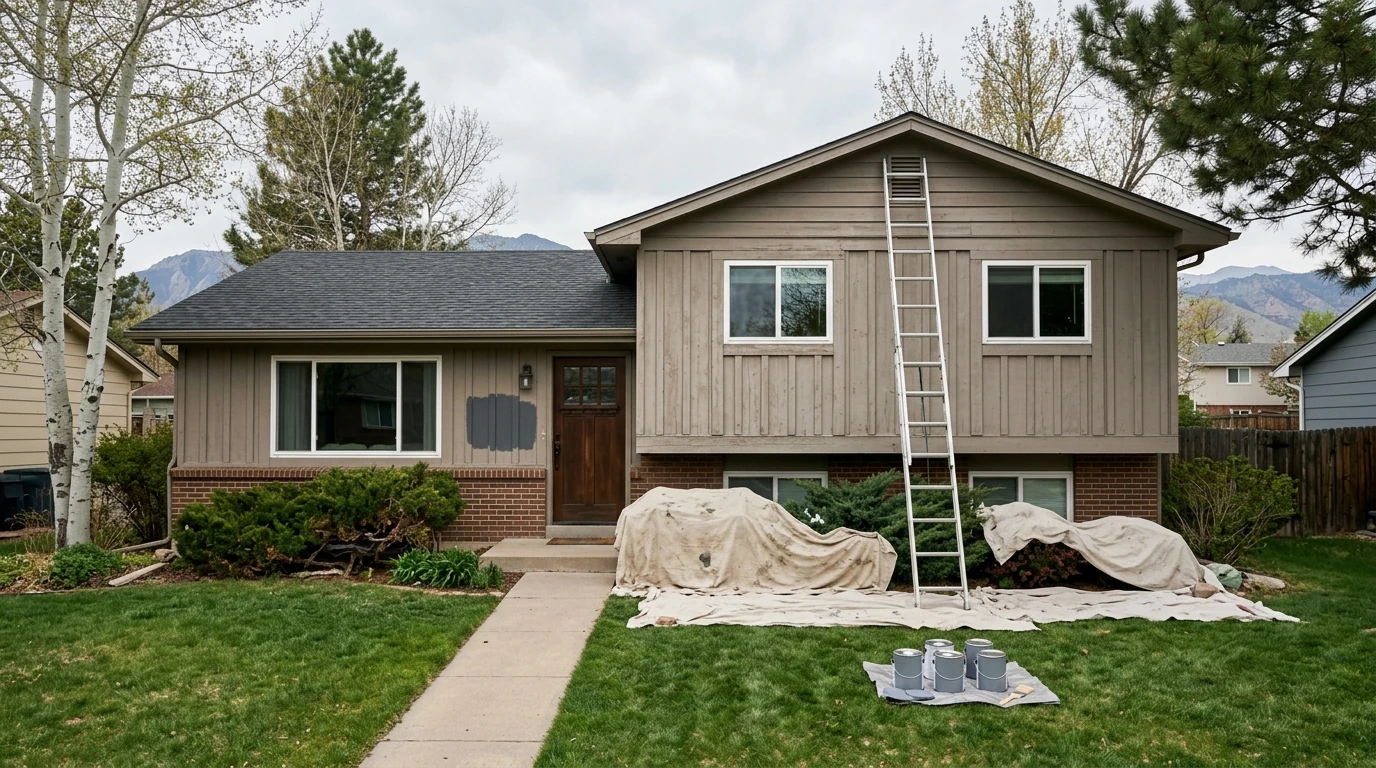
Hiring professional siding painting services in Denver, CO is one of the most straightforward ways to protect your home and freshen its appearance at the same time. Homes throughout Lakewood, CO and the broader Denver metro deal with a climate that is genuinely hard on exterior finishes. Hail seasons put coatings through their paces, intense UV at elevation fades color faster than most people expect, and wide temperature swings between seasons test paint adhesion every year. With the right preparation and materials, a professional repaint extends the life of your siding significantly and keeps moisture where it belongs. If you are trying to decide whether to hire a pro or wondering what the process actually involves, the information below is here to help you figure that out.
What Siding Can Be Painted and What Cannot
Not every siding surface is ready for a fresh coat of paint, and knowing the difference before you start saves real headaches. Denver siding painters work with a wide range of material types across the metro, from vinyl and aluminum on older ranch-style homes to Hardi-board and board and batten on newer construction in areas like Arvada and Englewood. Each material has its own requirements for prep, primer, and topcoat selection.
The good news is that most siding in decent structural condition is a solid candidate for repainting. Vinyl siding that feels firm, shows no cracks or brittle edges, and has not been punctured by hail impact can hold a great finish for years. Aluminum siding that is well-adhered and dent-free takes paint well with the right metal primer. Fiber cement products like Hardi-board are known for holding paint reliably across seasons. Board and batten details painted with the correct primer coat stand up well to Colorado weather too.
Where painting is not the right answer is when the siding itself has failed. If panels have through-cracks, soft spots, or widespread hail damage below the surface, a new coat of paint will not fix the underlying problem. A quick professional assessment at the start of a project catches those conditions before any prep work begins.
- Vinyl siding that feels solid and has no cracks or brittle sections is a strong candidate for repainting.
- Aluminum siding that is dent-free and still firmly attached to the structure can take a fresh finish coat.
- Fiber cement and Hardi-board panels in good shape hold paint well with the right primer underneath.
- Panels with through-cracks, soft spots, or hail-damaged substrates should be repaired or replaced before any paint goes on.
- Trim moldings and board and batten details deserve a separate look, since they often need a little siding repair before repainting.
Paint vs Replace: A Practical Guide for Denver Homeowners
Painting is the right call when your siding is structurally sound but looking worn, faded, or peeling from a prior coat that has run its course. Replacement makes sense when the siding has actually failed as a weather barrier, or when the repair scope is so extensive that repainting would not hold up. For most Denver metro homes with vinyl or aluminum siding in reasonable condition, a professional repaint gives you years of renewed protection at a fraction of what replacement would run.
Three questions help sort this out quickly. First, is the siding still doing its job keeping water out? If moisture is getting in at seams, around windows, or through panel damage, paint alone will not solve that. Second, how is the existing paint film holding up? If it is peeling in sheets or failing across large areas, the surface needs thorough prep before a new coat will perform. Third, how much hail damage is there? A single bad hail season can leave marks on aluminum or fractures in vinyl that compromise the surface even when panels look fine from the street.
Repainting is generally the right direction when these things are true:
- The siding panels are structurally intact with no through-damage or active moisture intrusion.
- Fading, chalking, or color loss is the main issue, not structural failure.
- The previous finish has aged past its useful life and the surface is ready for a siding repaint in Denver.
- Any repair needs are isolated to a few panels rather than whole sections of the home.
- You want to update the color without the disruption and cost of full replacement.
How Denver's Climate Affects Your Siding Paint
Colorado's climate is genuinely different from most of the country, and professional exterior painters in Denver factor that in on every siding project. The UV index at Denver's elevation is significantly higher than at sea level, which means paint film degrades and pigment fades faster here than in lower-altitude regions. Products with UV-resistant resins hold their color longer and protect the surface better under these conditions.
Hail is a regular fact of life across Denver neighborhoods from Westminster to Aurora. Even hail that does not crack or puncture siding can abrade protective coatings and create small surface irregularities where moisture collects over time. A thorough surface inspection before painting begins identifies that kind of wear so it gets addressed in the prep stage rather than painted over.
Temperature swings across Colorado seasons put real stress on paint adhesion. Paint applied during unstable temperature windows in early spring or late fall may not cure correctly, which can lead to adhesion failure within a season or two. Scheduling application during stable daytime temperatures and appropriate humidity lets the finish cure fully before the next extreme arrives.
Moisture management matters here too. Denver's periodic heavy rain and snow mean that any preparation gaps, like unpainted edges or inadequately sealed trim moldings, become entry points for water. Our crews treat all panel edges, joints, and trim details as part of a thorough full home exterior painting process rather than focusing only on the flat face of each panel.
What the Preparation and Application Process Actually Looks Like
The quality of a siding paint job comes down almost entirely to preparation. Most of the labor on a professional project goes into prep, and that is where the difference between a finish that holds for three years and one that holds for ten years gets decided.
Surface Preparation Techniques
We start every project with power washing to remove dirt, mildew, and any chalking from the existing paint film. A clean surface is what lets primer bond the way it should. After washing, the surface gets a careful inspection for any damage that needs attention before paint goes on. Loose or peeling paint is scraped and sanded back. Caulking around windows, trim moldings, and panel joints is checked and replaced wherever it has cracked or separated. Wood-adjacent components showing any moisture damage are treated and sealed before the primer coat starts.
Primer selection depends on the material. Vinyl siding needs a flexible primer that can move with the panel as temperatures rise and fall, rather than cracking at the joints. Aluminum siding does well with a bonding primer formulated for metal, which prevents the peeling that oxidation can cause over time. Fiber cement like Hardi-board typically takes a penetrating primer that seals the porous surface before the topcoat goes on. Using a generic primer across every material type is one of the most common reasons a paint job comes back to fail sooner than it should.
Paint Selection for Colorado Conditions
The topcoat follows from the primer and the material. For vinyl siding painting projects, the topcoat needs to be formulated specifically for vinyl. Vinyl panels expand and contract with temperature changes, and a paint film that cannot flex with that movement will crack at seams and panel edges through a Colorado winter. Aluminum and fiber cement surfaces accept a broader range of exterior latex products, but UV-resistant formulations are still the right choice at Colorado's elevation.
Application method matters as well. Spray application gives even coverage across the face of siding panels and reaches into texture profiles that a roller misses. Brush work at trim moldings, board and batten details, and panel edges ensures clean lines and full coverage right to the edge. Our crews use both methods based on what each surface calls for rather than defaulting to one approach across the whole project.
Workmanship Guarantee and Quality Checkpoints
A professional siding paint job should come with a clear guarantee, and ours does. We back our exterior siding work with a written workmanship guarantee covering peeling, adhesion failure, and finish defects that come from the application process itself. If those issues appear within the warranty period and are linked to our work rather than substrate damage or products applied by someone else afterward, we come back and make it right.
It is also worth being clear about what the guarantee does not cover. Substrate damage that develops after project completion, paint film damage from a hail event post-application, and failures in areas where you declined our recommended repairs before painting are outside the coverage. We walk through all of that upfront, so homeowners in Lakewood, CO and surrounding Denver communities know exactly what is and is not included before work begins.
Quality checkpoints run throughout every project. Primer adhesion is confirmed before the topcoat goes on. Coverage is checked after each coat. Final inspection covers edge treatment at every trim molding, panel joint, and transition point where siding meets another material.
Where We Work Across the Denver Metro
We serve homeowners across the Denver metro, including established neighborhoods in Englewood, Arvada, Lakewood, and Westminster, as well as communities further out across the front range. Older residential areas near downtown Lakewood often have aluminum siding on mid-century homes where careful prep matters because of decades of accumulated paint layers. Newer subdivisions on the west and north edges of the metro frequently feature Hardi-board and board and batten profiles on homes that are just reaching their first repaint cycle.
Denver siding contractors who know the metro understand that neighborhood character and HOA color requirements vary a lot across the area. Our color consultation process is included as part of project planning for residential projects, so you can work through color selection with physical samples before committing. Whether your home is in a community with specific exterior color guidelines or a neighborhood where you have full latitude to change direction, the consultation step makes sure the color and product you choose will perform correctly for your material and exposure conditions.
Why Choose Ace Hardware Painting Services Metro Denver
When a siding project feels overwhelming, our goal is to make it feel manageable. Ace Hardware Painting Services Metro Denver brings the same helpful, knowledgeable approach you expect from Ace Hardware into your home painting project. We use Benjamin Moore exterior products as the standard on residential siding work, chosen for their UV resistance and long-term color retention under Colorado's demanding weather. Color consultation and physical color samples are included with every residential project, so you can see exactly how a color looks on your home before anything gets painted. Our workmanship guarantee means you have a clear commitment behind the finished product. Our crews are background-checked W-2 employees, so you know who is showing up and what standards they are held to. We know the housing stock across the Denver metro, the material types common to different eras of construction, and the climate factors that determine how long a finish holds. When you are ready to move forward with a professional siding repaint, reach out to Get an Estimate from our local team.
FAQ
How long does siding paint last in Denver weather?
A professionally applied siding finish in the Denver area typically lasts seven to ten years when prep is thorough and the right primer and topcoat are matched to the material. UV exposure at Colorado's elevation and the occasional hail season are the main factors that shorten that range. UV-resistant topcoats and proper primer selection go a long way toward getting the most life out of each repaint.
Is it cheaper to paint siding or replace it?
For siding that is structurally sound, repainting is significantly less disruptive and less resource-intensive than full replacement. The math shifts toward replacement when panels have failed as a weather barrier, when hail or impact damage is widespread, or when the material beneath the paint has degraded. A quick assessment at the start of a project makes that call clear before any work begins.
Can you just paint over old exterior paint on siding?
You can paint over old paint when the existing film is well-adhered, clean, and not showing widespread peeling or failure. Where the existing coat is chalking heavily, peeling, or bubbling, those areas need to be scraped, sanded, and primed before a new coat will hold. Painting over a failing film traps the problem underneath and leads to early failure of the new finish too.
What type of primer works strongest on vinyl siding?
Vinyl siding calls for a flexible, 100 percent acrylic primer that can move with the panel as temperatures change. Rigid primers crack at panel joints through Colorado's seasonal swings, letting moisture into the seams. The primer also needs to be compatible with the topcoat you are using, especially if you are going with a darker color that will absorb more heat and increase the amount of expansion and contraction the panel goes through.
How do you fix siding damage before painting?
Minor damage like small cracks, loose caulk, and surface holes gets addressed during the preparation phase before any primer or paint is applied. Sections with significant impact damage, warping, or structural failure need panel repair or replacement first. Painting over active damage does not fix the condition underneath and usually means the new finish fails right at those spots within a season or two.