
Could Moisture Damage Painted Cabinets?
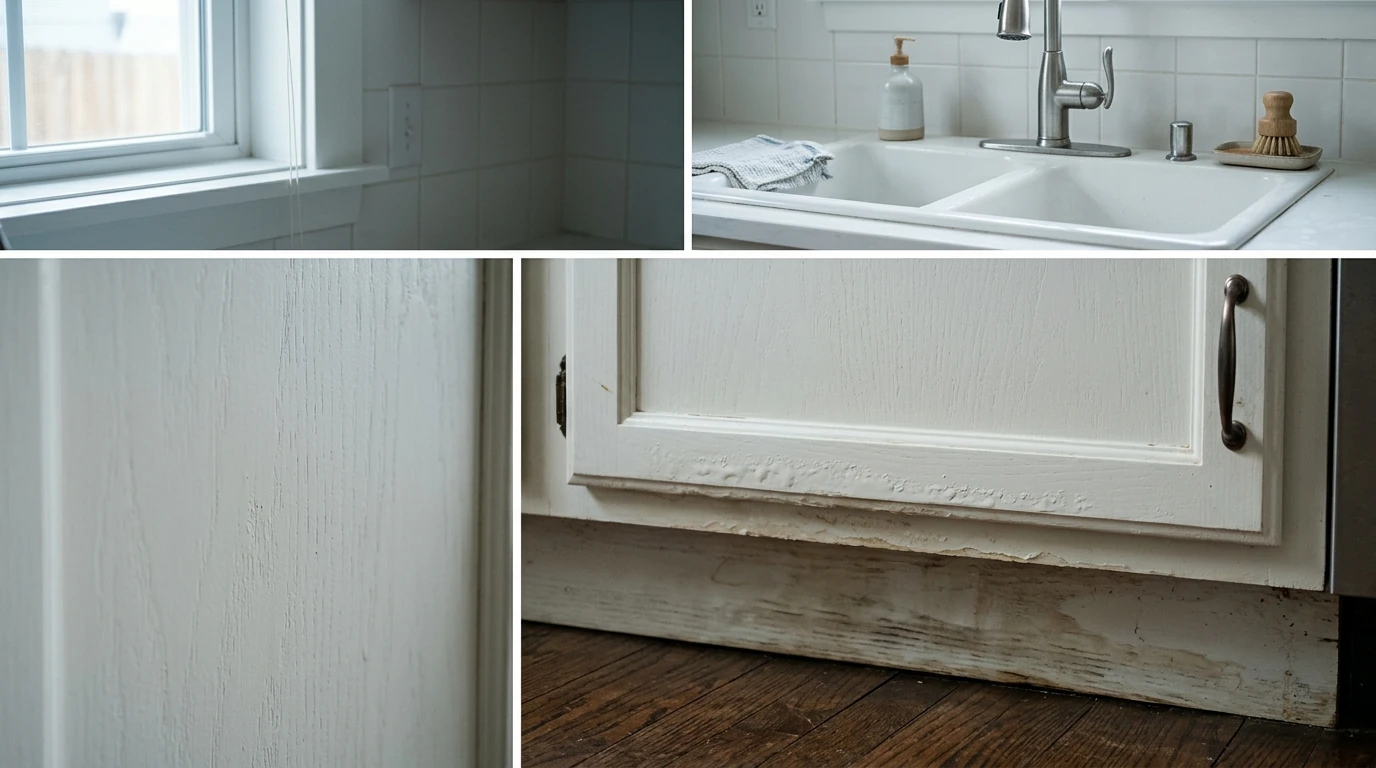
Yes, moisture can absolutely damage painted cabinets, and it happens more often than most homeowners expect. In Lakewood, CO, kitchens and bathrooms see constant humidity swings from cooking, showering, and seasonal changes, and painted cabinets take the brunt of it. Whether the damage shows up as bubbling paint near the sink or a swollen cabinet door that no longer closes right, the good news is that catching it early makes a real difference. The material your cabinets are made of, the condition of the paint finish, and how fast you respond all play into how far the damage goes.
How Moisture Damages Different Cabinet Materials
Not every cabinet reacts to moisture the same way, and knowing the difference helps you figure out where to focus your attention.
Solid wood cabinets can absorb and release moisture without falling apart right away, but repeated wet and dry cycles wear on the paint film over time. Eventually, the paint starts cracking or peeling at joints and edges where the wood moves most.
MDF and particle board are a different story. These materials are made of compressed wood fibers, and once moisture gets through a cracked or chipped paint finish, those fibers swell fast. On MDF, that swelling is often permanent. You cannot sand it flat and refinish it the way you can with solid wood once the substrate has deformed.
HDF is denser than standard MDF and holds up a little better to brief contact, but sustained moisture still causes swelling. Duraform and similar thermofoil products do not soak up moisture the same way, but the foil layer can lift away from the core if moisture sneaks in through edges or seams, leaving the door face buckled and warped.
Visual Signs of Moisture Damage on Painted Cabinets
Water damage on painted cabinets shows up in a handful of pretty recognizable ways. Bubbling or blistering is usually the first thing you notice, where moisture vapor gets trapped under the paint and pushes it away from the surface. Peeling follows once the bond between the paint and the cabinet material breaks down entirely. If a door starts sticking or hanging crooked, that is a sign moisture has reached the substrate itself, not just the finish on top. Dark staining or yellowing around seams and edges often points to water that has been sitting there for a while. And if you open a cabinet and smell something musty, there may be moisture building up inside the box even before you see any visible damage on the outside.
- Bubbling or blistering paint on door faces or cabinet sides.
- Peeling paint at corners, edges, or near hinges and hardware.
- Cabinet doors that swell, warp, or no longer close properly.
- Dark staining, yellowing, or discoloration around joints and seams.
- Soft spots on the cabinet surface when you press firmly with your thumb.
- Musty odor coming from inside the cabinet box or behind cabinet doors.
Timeline: How Quickly Can Moisture Damage Painted Cabinets
How fast damage sets in depends on three things: what the cabinet is made of, how much moisture it is exposed to, and whether the paint finish is still in good shape. On MDF cabinets with a solid, sealed finish, a minor splash might take weeks to show up as visible bubbling. But if the paint has even a small crack or open seam, that same MDF cabinet can start swelling within 24 to 72 hours of staying wet.
Solid wood is more forgiving. A little steam or condensation might not cause visible problems for months on a well-painted wood cabinet. That said, daily exposure without decent ventilation can wear down paint adhesion over several weeks to a few months. A slow drip inside a cabinet box is a different situation entirely. That kind of ongoing contact can warp shelving and cause peeling paint within one to two weeks.
The biggest factor in the outcome is how quickly you catch it. Damage that is still at the paint film level after the first week is usually repairable. Once moisture has been sitting in the substrate for several weeks, the cabinet itself may need replacement rather than cabinet refinishing.
Testing for Hidden Moisture Damage in Cabinets
Sometimes the damage is already there before it shows up visually. Two simple methods can help you find it early.
The first is a soft-spot test you can do right now. Press the flat of your thumb firmly against the cabinet face, the door edges, and the inside walls of the cabinet box. A healthy cabinet will feel solid. If an area gives slightly or feels spongy, the substrate underneath may already be compromised.
The second method is a moisture meter. Pin-style meters use two small probes to measure moisture content through electrical resistance. Non-invasive meters read surface moisture without piercing the finish at all. For painted wood cabinets, a reading above 16 to 18 percent is a red flag. For MDF or particle board, you want to stay below 12 percent. Readings above those ranges mean moisture has gotten into the substrate even if the surface still looks fine.
If either test raises a concern and you cannot identify where the moisture is coming from, it is worth getting a professional set of eyes on it before you start any refinishing work.
Preventing Moisture Damage by Cabinet Material Type
A one-size-fits-all approach to moisture protection does not really work here. Different cabinet materials have different weak points, and protecting them well means addressing those specific vulnerabilities.
Protecting MDF and Particle Board Cabinets
The edges of MDF panels are the most vulnerable spot, not the face. The cut edge is far more porous and absorbs moisture quickly if it is left unsealed or underprimed. Applying a high-quality primer to all exposed edges before final painting makes a real difference. Beyond that, the strongest thing you can do for MDF cabinets is respond to spills and splashes immediately. Wipe them dry within minutes, not the next time you walk by. Running an exhaust fan during and after cooking helps keep ambient humidity from building up around cabinet surfaces near the stove and sink.
Wood Cabinet Moisture Protection Strategies
Solid wood cabinets do strongest with a topcoat that can flex a little with the natural movement of the wood rather than cracking under it. Satin or semi-gloss finishes hold up better in humid kitchens and bathrooms than flat or matte options because the smoother surface is less porous. Seasonal care matters too. Colorado winters are dry, and low indoor humidity can cause wood cabinets to contract slightly, opening small gaps at joints that become entry points for moisture when things warm up again. A quick inspection of joints and edges each spring, followed by sealing any gaps you find, is a straightforward habit that protects the finish long-term.
If you are not sure whether your current cabinet finish is doing its job against moisture, the kitchen painting specialists at Ace Hardware Painting Services Metro Denver can take a look and point you toward the right sealing approach for your specific cabinet material.
High-Risk Areas for Cabinet Moisture Damage
Some cabinet locations see a lot more moisture than others. These are the spots worth checking first and protecting most carefully.
- Cabinets directly above and below the kitchen sink, where splash exposure and under-sink humidity build up constantly.
- Bathroom vanity cabinets, which face daily humidity from showering in spaces that often have limited ventilation.
- Cabinets next to the dishwasher, where steam escapes the door during and after every cycle.
- Upper cabinets above the range or cooktop, which collect steam and cooking vapor on a regular basis.
- Basement or laundry room cabinets where ambient humidity tends to stay elevated year-round.
Cabinet doors in these zones peel and bubble at higher rates than cabinets on the opposite side of the same kitchen. Making these areas your inspection priority and staying on top of sealing and ventilation goes a long way toward preventing damage before it starts.
Seasonal Moisture Management for Painted Cabinets
Colorado's climate brings two different moisture challenges across the year, and both of them affect painted cabinets. In winter, home heating systems can pull indoor humidity below 30 percent, which causes wood cabinets to dry out and contract. That contraction opens tiny gaps at joints and paint seams. When spring rolls around and humidity climbs back up, those gaps can let moisture in before the wood has time to expand and close them on its own.
Summer brings a different issue. Elevated outdoor humidity combined with air conditioning running on and off raises the risk of condensation forming on cooler cabinet surfaces near exterior walls. Keeping indoor relative humidity between 35 and 50 percent year-round, using a humidifier in winter and good air circulation in summer, helps keep cabinet materials in a stable range and takes pressure off the paint finish over time.
Running kitchen and bathroom exhaust fans during and after cooking, dishwashing, and showering is the single most effective daily habit for protecting painted cabinet finishes in the Lakewood, CO area. It costs nothing extra and makes a real difference in how long the finish holds up.
Professional Assessment vs DIY Inspection
You can handle a lot of moisture inspection on your own. Visible bubbling, peeling, and minor swelling that is still at the paint film level are things any homeowner can identify through a careful look and a soft-spot test. An entry-level moisture meter extends that capability to catching subsurface moisture before it becomes visible on the surface.
Where it makes sense to bring in a professional is when you cannot find the source of the moisture, when soft spots cover more than a small area of the cabinet, or when the cabinet box itself feels warped or unstable. A professional can also give you a clear answer on whether the scope of damage makes refinishing worthwhile or points toward replacement. That kind of hands-on evaluation is hard to replicate from photos or a surface check alone.
For cabinets where the finish has failed but moisture has not yet reached the substrate, a professional cabinet repaint restores both the protective barrier and the look of the cabinet at the same time. Painting over bubbled or peeling paint without addressing the adhesion failure underneath just delays the same problem coming back.
Insurance Considerations for Cabinet Moisture Damage
Whether homeowners insurance covers moisture-damaged cabinets usually comes down to how the damage happened, not just that it happened. Sudden and accidental water damage, like a burst supply line that floods a cabinet base, is typically covered under a standard policy. Gradual damage from ongoing humidity, a slow drip, or poor ventilation is generally treated as a maintenance issue and excluded from coverage.
If the damage does come from a covered event, documenting it thoroughly before any repair work starts strengthens your claim. Photographs of bubbling, peeling, and swelling, along with moisture meter readings and photos of any visible water source, give an adjuster what they need to evaluate the situation accurately. Keeping receipts from prior cabinet painting or refinishing work also helps establish what the baseline condition looked like before the damage occurred.
If cabinet moisture damage turns up during a larger repair that is already covered by insurance, flagging the cabinet condition in writing to the contractor or adjuster at that time creates a record that may support a follow-up review.
Why Choose Ace Hardware Painting Services Metro Denver
When moisture has taken a toll on your cabinets, having the right team handle the repaint makes all the difference between a finish that lasts and one that fails again by next season. Ace Hardware Painting Services Metro Denver works with homeowners throughout Lakewood, CO to make cabinet painting and refinishing feel straightforward rather than stressful. Every project uses Benjamin Moore paints and primers, which provide the adhesion and durability that kitchens and bathrooms actually demand. Residential projects include color consultation and physical paint samples, so you can see exactly how a finish will look in your own home before work begins. Our workmanship guarantee means if something is not right within the warranty period, we come back and make it right. Our crew members are background-checked W-2 employees, so you always know who is coming through your door. If moisture damage to cabinets is on your mind, we want to help you figure out the right path forward. Get an Estimate from the Metro Denver office and get a clear picture of what your cabinets need.
FAQ
What does water damage look like on painted cabinets?
Water damage on painted cabinets usually starts as bubbling or blistering on the paint surface, where moisture vapor gets trapped under the finish and pushes it away from the substrate. Peeling follows once the bond fully breaks down. Swelling or warping of a cabinet door or box frame means moisture has reached the material underneath the paint. Discoloration around joints and seams and a musty smell from inside the cabinet box are also common indicators.
What is the life expectancy of painted cabinets?
In low-moisture areas of a home, painted cabinets can look great for 8 to 15 years with regular cleaning and minor touch-ups. Cabinets in kitchens and bathrooms with regular humidity exposure typically need repainting or refinishing every 5 to 10 years, depending on the quality of the original application, the cabinet material, and how well ventilation and moisture control have been maintained. MDF or particle board cabinets in high-humidity zones tend to land at the shorter end of that range.
Is Murphy's Oil Soap safe for painted cabinets?
Murphy's Oil Soap is not the right choice for painted cabinets. It is formulated for unsealed or oiled wood and can leave a residue on painted finishes that dulls the sheen over time. A mild dish soap diluted in warm water, applied with a damp cloth and dried off right away, is a much safer routine for painted surfaces. Avoid soaking the surface or letting water sit near cabinet edges when you clean.
How long does it take for moisture to damage painted cabinets?
On MDF or particle board cabinets with a small crack or open seam in the finish, visible swelling can start within 24 to 72 hours of sustained wet contact. With a fully sealed surface, minor splash exposure may take several weeks to produce visible bubbling. Solid wood cabinets are more forgiving on a short timeline, but repeated daily exposure without good ventilation can cause paint adhesion to fail over a period of weeks to a few months. Whether the paint film is intact and whether moisture exposure is a one-time event or ongoing are the two biggest factors in how quickly things go wrong.
Which cabinet materials resist moisture damage most effectively?
Solid wood cabinets finished with a satin or semi-gloss paint and fully sealed edges offer better moisture resistance than MDF or particle board. Plywood cabinet boxes also hold up better than particle board because the cross-laminated grain structure limits how much moisture the material absorbs. Among engineered options, HDF is denser than standard MDF and handles brief moisture contact a little better, but no engineered wood substrate is waterproof on its own. Regardless of the material, the quality of the paint system and how completely the edges are sealed are what really determine how well a painted cabinet stands up to moisture over time.