Semi Gloss Vs. High Gloss
The difference between semi-gloss and high-gloss paint looks like a simple sheen preference on a paint chip, but the choice cascades into every phase of your project. Prep depth changes. Application method changes. How the finished surface reads under different lighting conditions changes. Most importantly, how that surface holds up over years of cleaning, moisture exposure, and daily contact changes. This guide covers the full picture: what separates the two finishes technically, where each belongs, what trade-offs you accept with either choice, and how to make a final call when the answer is not obvious.
When should you use semi-gloss paint? Semi-gloss is the right finish when moisture exposure is moderate to high, cleanability matters, and your surface preparation is solid but not flawless. It delivers meaningful durability and easy maintenance without demanding the substrate perfection that high-gloss requires. For most kitchens, bathrooms, trim, and cabinet work, semi-gloss is the practical answer that holds up without punishing application imperfections.
If you reach a point in this decision where the scope feels larger than one paint finish choice, cabinet painting handled professionally removes the surface prep burden, application technique risk, and finish-matching complexity in a single scope. Ace Hardware Painting Services works with premium Benjamin Moore paints and includes color consultation, so the finish decision gets made with real product expertise behind it. That option is available at any stage, whether you are still planning or already mid-project.
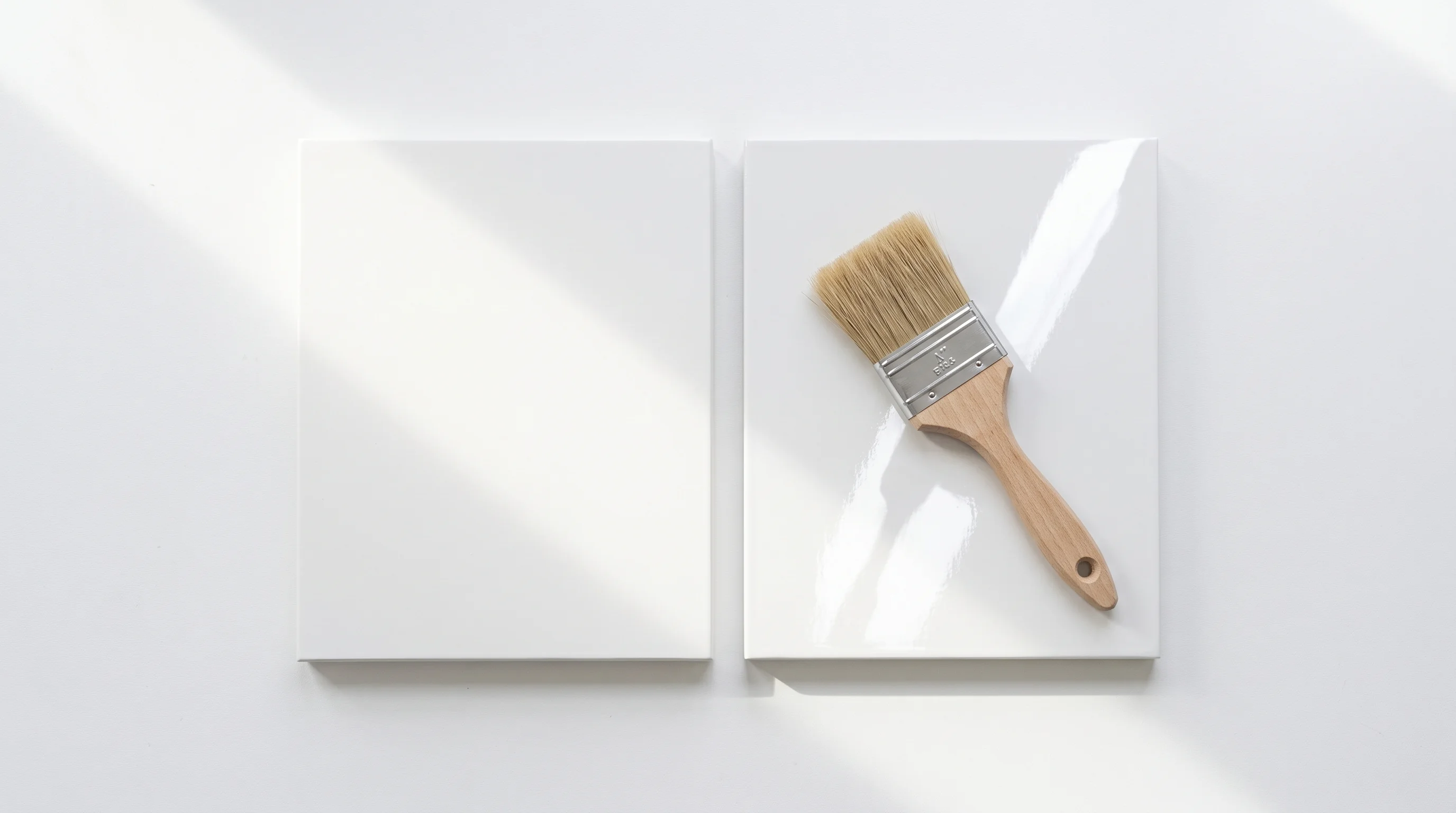
Quick Overview: Semi-Gloss vs. High-Gloss Paint
- Semi-gloss reflects 35-70% of light; high-gloss reflects 70-85% or more, producing a near-mirror surface.
- Both finishes outperform matte and eggshell for moisture resistance and cleanability.
- Semi-gloss is more forgiving during application; minor surface imperfections read less aggressively under its sheen.
- High-gloss demands near-flawless substrate prep; surface defects, dust nibs, and brush marks become visible and prominent.
- Semi-gloss suits kitchens, bathrooms, laundry rooms, trim, and cabinet interiors.
- High-gloss suits entry doors, furniture-grade cabinet faces, architectural trim designed to make a visual statement, and high-contact surfaces requiring maximum sanitization.
- Touch-up ease favors semi-gloss; high-gloss touch-ups are difficult to blend invisibly.
- Exterior applications introduce additional variables: UV stability, thermal expansion, and moisture cycling affect both finishes but create divergent performance over time.
Understanding Paint Sheen and Why It Matters Beyond Appearance
What Sheen Actually Measures
Sheen is light reflectance: the percentage of incident light a cured paint film bounces back at a standardized 60-degree angle. Flat paint reflects very little. High-gloss reflects most of it. That number is not just an aesthetic rating. Higher light reflectance correlates directly with a harder, denser paint film. Harder films resist abrasion better, repel moisture more effectively, and release stains without scrubbing as aggressively. Lower-sheen films are softer and more porous, which is why a flat ceiling paint stains easily and a high-gloss enamel wipes clean. When you choose a sheen level, you are making a durability and maintenance decision at the same time you are making an aesthetic one.
The Sheen Spectrum in Context
Semi-gloss and high-gloss both sit at the upper end of the sheen scale, but they are not adjacent. Between them sits a meaningful gap in reflectance, surface hardness, application demand, and how aggressively the finish communicates surface condition. Flat, matte, and eggshell occupy the low end. Satin sits in the middle. Semi-gloss comes next. High-gloss is the ceiling. Each step up the scale increases shine and durability while simultaneously decreasing forgiveness for substrate flaws and application errors. Understanding where semi-gloss and high-gloss sit relative to each other, not just relative to flat paint, is the foundation for every application decision that follows.
Key Differences Between Semi-Gloss and High-Gloss Finishes
Semi-gloss delivers noticeable shine, solid moisture resistance, and practical durability suitable for most high-use interior surfaces. High-gloss produces a near-mirror finish with maximum hardness and cleanability, but amplifies every surface imperfection and requires superior substrate prep and application skill. The core divergence is not shine preference; it is preparation burden and long-term maintenance philosophy.
Shine and Appearance
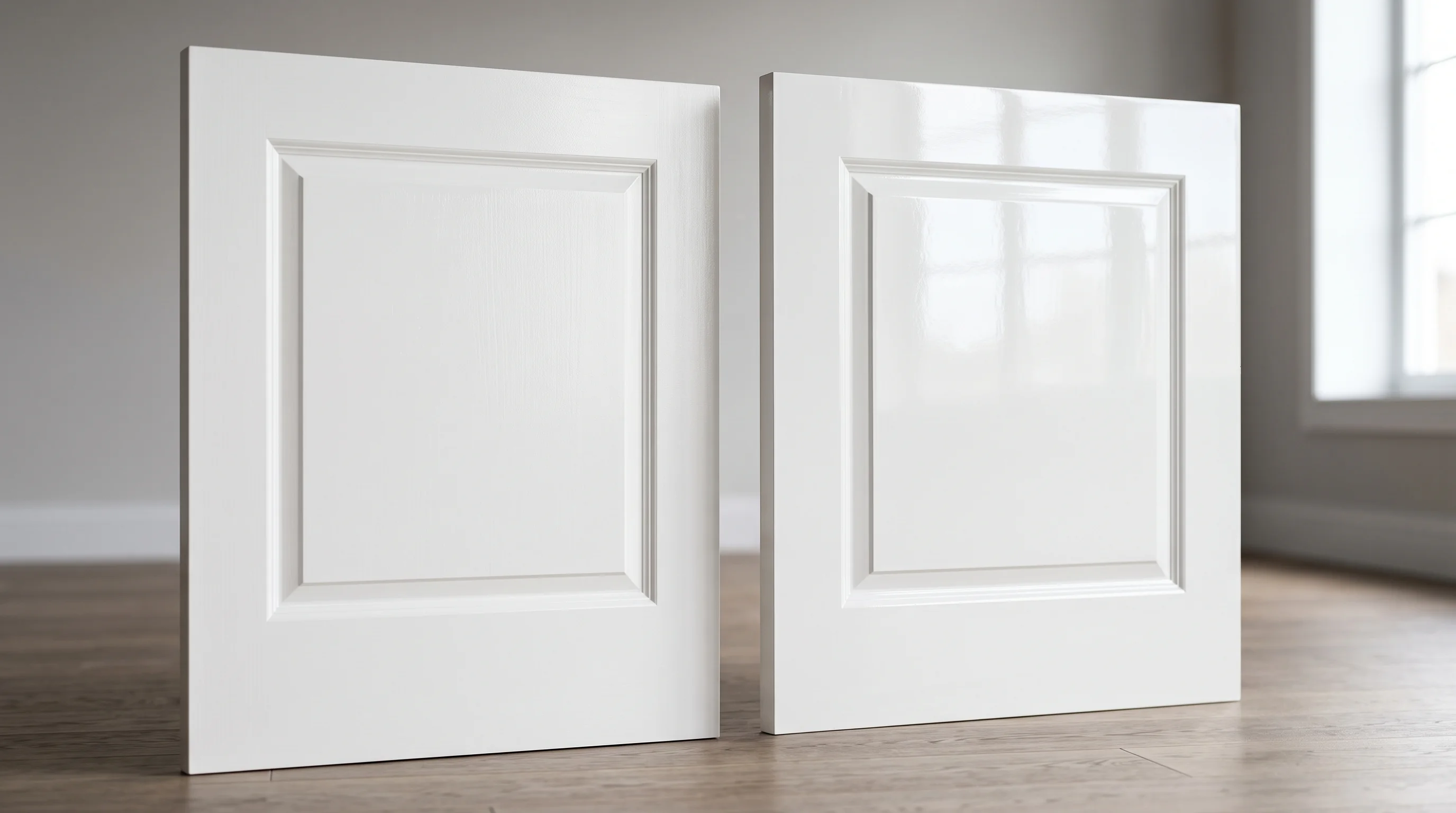
Semi-gloss provides noticeable shine without glare. Under most interior lighting conditions, it reads as clean and finished without drawing attention to itself. High-gloss creates a reflective surface that reads almost like a lacquer or automotive finish. The visual weight is significant. In a north-facing room with limited natural light, high-gloss can make a painted surface appear brighter than intended because it reflects ambient light back at sharper angles. In a sunny kitchen, it can create glare. Neither outcome is wrong, but both are stronger effects than most homeowners anticipate from a paint chip comparison under fluorescent store lighting.
High-gloss also changes color perception. The same Benjamin Moore color in semi-gloss and high-gloss will read differently on the wall or trim because the surface reflectance shifts how pigment interacts with light. Deeper, more saturated colors tend to intensify under high-gloss. Lighter whites and neutrals can take on a clinical quality if the sheen is higher than the room demands. Semi-gloss holds color more predictably across different lighting conditions, which is one reason it remains the default trim finish for most interior paint work.
Durability and Cleanability
What sheen do most painters use? Semi-gloss is the industry standard for trim, doors, and cabinetry because it provides durable, washable performance without the surface prep burden or application skill ceiling that high-gloss imposes. It handles daily contact, humidity, and routine cleaning without degrading, and it applies reliably with standard brush, roller, or spray equipment.
Both semi-gloss and high-gloss finishes resist moisture and clean up well compared to lower-sheen options. The practical difference becomes apparent in demanding situations. High-gloss is the better choice when a surface requires frequent sanitization, heavy scrubbing, or direct contact with oils and grease, such as commercial kitchen equipment, pediatric care surfaces, or high-traffic entryway doors. Semi-gloss handles all standard residential cleaning scenarios without issue. The gap between the two finishes on daily household cleanability is smaller than paint chip cards suggest; the gap in application difficulty is larger.
Where to Use Semi-Gloss Paint
Semi-gloss is the right finish when moisture exposure is moderate to high, surface cleanability is a priority, and your substrate prep is solid but not flawless. It tolerates the normal range of residential surface conditions without magnifying every imperfection, and it applies successfully without spray equipment or advanced finishing skill.
Semi-gloss belongs on:
- Kitchen walls and cabinetry, particularly interior shelving and door frames
- Bathroom walls, vanities, and trim
- Laundry rooms and utility spaces
- Baseboards and floor-level trim throughout the home
- Window and door casings painted drywall or MDF substrate
- Closet doors and interior door faces in moderate-traffic areas
- Children's room walls and millwork where cleaning frequency is high
- Hallway trim and wainscoting
The decision prompt for semi-gloss is straightforward: if your surface preparation is good but not perfect, and you need a finish that performs reliably over years of cleaning and moisture exposure, semi-gloss delivers without demanding a specialist-level application. When the scope involves multiple rooms of trim or a full cabinet repaint and keeping the project tight matters, trim painting handled professionally ensures consistent sheen and coverage on every linear foot without rework.
Where to Use High-Gloss Paint
High-gloss paint earns its place when appearance impact and maximum durability are both priorities, and when the surface can be prepped to a near-flawless condition before the first coat lands. The finish rewards preparation and punishes shortcuts. When the substrate and execution are right, it produces a durable, visually striking result that outperforms semi-gloss in both longevity under heavy contact and ease of sanitization.
High-gloss belongs on:
- Exterior and interior entry doors, particularly those with significant architectural detail or visual prominence
- Furniture-grade cabinet door faces in modern or high-end design schemes
- Architectural trim and millwork where visual drama is intentional
- High-contact surfaces in commercial or healthcare settings requiring frequent chemical sanitization
- Painted furniture and built-ins where the glossy paint finish is part of the design intent
- Metal surfaces, railings, and hardware where a high-shine finish resists corrosion and cleans easily
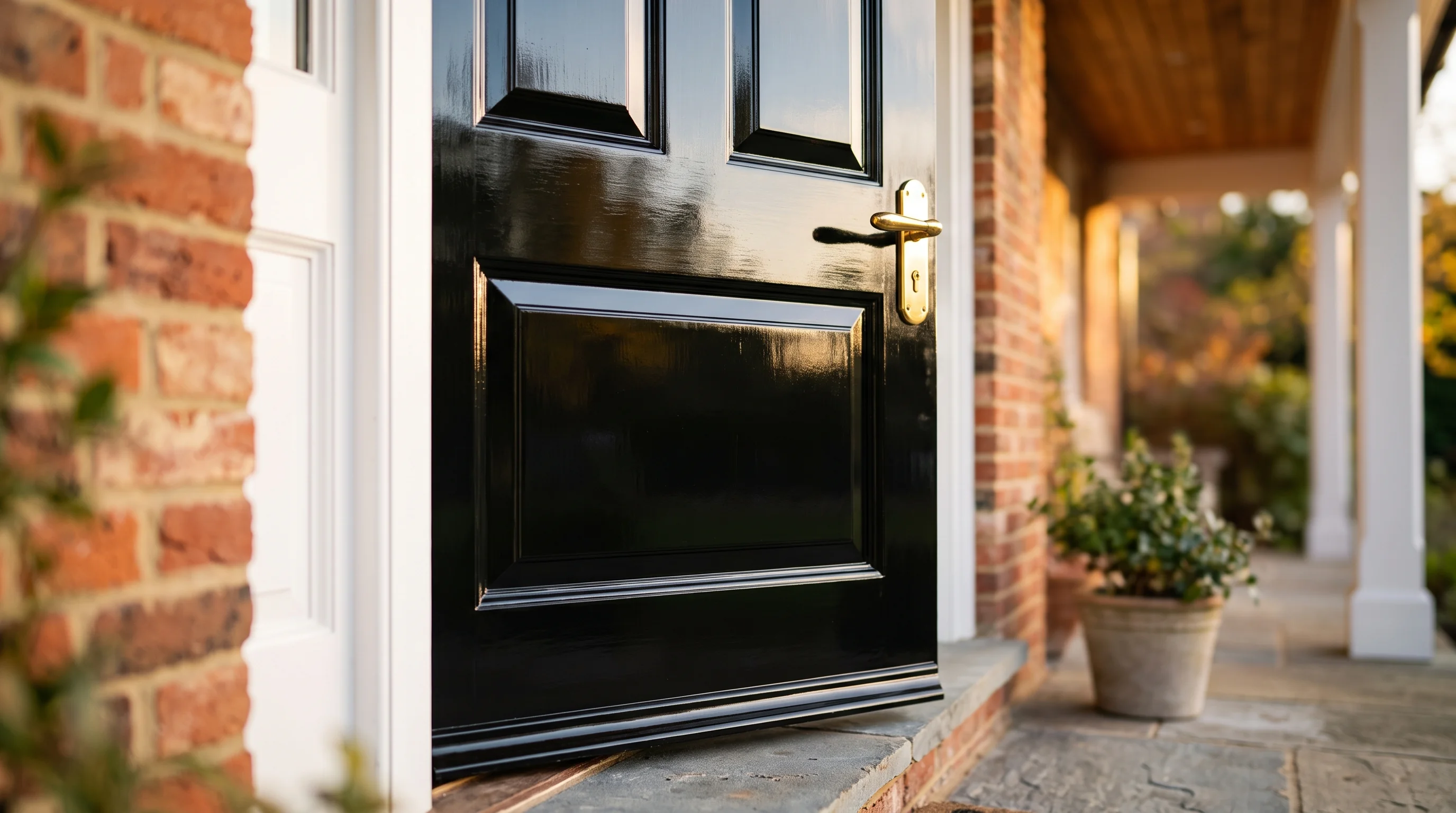
Use high-gloss when appearance and ease of sanitization outweigh the additional preparation and application complexity. The trade-off is real: if the substrate has dings, fills, or texture variation, high-gloss will communicate every one of them. That is not a reason to avoid the finish; it is a reason to plan the prep accordingly.
Disadvantages and Trade-Offs of Each Finish
What You Accept With Semi-Gloss
Semi-gloss requires solid surface preparation to look intentional. It is more forgiving than high-gloss, but it is not as forgiving as satin or eggshell. Brush marks from poor application technique, lap lines from inadequate wet-edge management, and uneven film thickness are all visible under semi-gloss sheen when lighting conditions are direct. The finish can also look underpowered in formal or architectural spaces where a more pronounced gloss would read as intentional design rather than a standard trim coat.
What are the disadvantages of semi-gloss paint? Semi-gloss shows brush marks and lap lines under direct light if applied carelessly, requires more careful surface prep than lower-sheen finishes, and may not deliver the visual impact needed for high-design or furniture-grade applications. It is also slightly less cleanable than high-gloss under heavy scrubbing, though the practical difference in typical residential use is minor.
What You Accept With High-Gloss
High-gloss is unforgiving. Surface imperfections, dust contamination during drying, brush marks, roller stipple, and uneven coverage are all amplified by the mirror-like finish. Every phase of surface preparation, from filling and sanding to priming and scuff-sanding between coats, must be executed to a higher standard than semi-gloss requires. Touch-ups are difficult. High-gloss touch-up spots rarely blend invisibly because the sheen level and surface texture of the repair area differ from the surrounding cured film.
What are the disadvantages of high-gloss paint? High-gloss amplifies surface imperfections and dust nibs, demands near-flawless substrate prep, and requires skilled application to avoid visible brush marks and sag. Touch-up repairs are difficult to blend. The finish can create glare in well-lit spaces and may read as too reflective for rooms with softer aesthetic intentions. Application cost in labor time is higher than semi-gloss.
Application and Preparation Requirements
Surface Preparation by Finish Type
Surface must be sealed and primed identically for both finishes to ensure uniform appearance, but the tolerance for imperfection differs significantly between them. For semi-gloss work, standard surface preparation applies: clean the substrate, repair cracks and holes, sand smooth, prime bare areas, and scuff-sand the existing finish before recoating. Minor surface texture variation and small repair patches are less visible under semi-gloss because the moderate reflectance does not transmit them at full intensity.
High-gloss preparation is a different category of work. Every repair must be feathered perfectly with the surrounding surface, sanded to a uniform profile, and primed with a high-build primer designed to level the film. Any texture left from sanding, any dust contamination after priming, any overlap from taping that leaves a slight ridge will be fully visible in the finished surface. Professional painters working in high-gloss on furniture-grade surfaces will often apply three or more coats, sanding with progressively finer grits between each coat, before the final gloss coat. Substrate quality is not a preference for high-gloss; it is a prerequisite.
Application Method and Dry Time
Semi-gloss can be applied successfully with a quality brush and roller on most interior surfaces. Maintaining a wet edge, working in sections, and using the right nap roller cover for the surface texture are the primary technique requirements. Semi-gloss waterborne enamel typically allows recoating in two to four hours under normal temperature and humidity conditions. Adequate ventilation speeds drying and reduces the risk of dust contamination in the wet film.
High-gloss benefits significantly from spray application when a furniture-grade or lacquer-quality finish is the goal. Brush and roller application on large flat panels can produce acceptable results with the right product and technique, but spray application eliminates brush marks and roller stipple by definition. Waterborne high-gloss enamels typically have similar recoat windows to semi-gloss, but film build is more critical because insufficient build results in uneven sheen once the surface is fully cured. Allow full cure, often seven to fourteen days, before subjecting high-gloss surfaces to cleaning or heavy contact.
Special Considerations for Exterior Applications
Semi-gloss and high-gloss perform differently outdoors than competitors' interior-focused guidance suggests. Exterior semi-gloss has been the standard finish for painted wood trim, window sashes, and exterior doors for decades because it handles moisture cycling, UV exposure, and thermal expansion without cracking or peeling as quickly as higher-sheen alternatives. It also remains more flexible as wood substrates expand and contract seasonally.
Exterior high-gloss paint can produce a striking result on front doors and architectural metalwork, but it shows weathering, chalking, and UV fade more visibly than semi-gloss over time. The high-shine finish communicates every stage of aging, including early chalking that a semi-gloss surface would obscure. For painted wood siding and trim in climates with significant temperature swings, semi-gloss is generally the more durable long-term choice. For a metal railing or a protected entryway door not subject to direct rain exposure, high-gloss holds its appearance well if the substrate is properly primed for exterior use.
Exterior color perception also shifts with sheen. High-gloss amplifies color intensity outdoors just as it does indoors, and in direct sunlight the effect can be more pronounced than anticipated from an interior paint chip comparison. Sampling both finishes on the actual exterior surface in different light conditions before committing to a full project is the most reliable way to confirm the intended result. If the exterior scope includes multiple surfaces or a full home repaint, full home exterior painting handled professionally ensures consistent sheen selection and application across every surface type in a single coordinated project.
Maintenance and Long-Term Care
Both semi-gloss and high-gloss finishes are designed for cleaning, but their maintenance protocols and recoat intervals differ in practice.
- Clean semi-gloss surfaces with a mild soap and water solution and a soft cloth or sponge. Avoid abrasive scrubbers that can dull the sheen over time.
- Clean high-gloss surfaces gently. The finish resists stains better than semi-gloss, but aggressive scrubbing can create micro-scratches that reduce gloss and create dull patches visible under directional light.
- Semi-gloss trim in high-contact areas typically needs recoating every five to seven years under normal residential use, depending on traffic, cleaning frequency, and product quality.
- High-gloss surfaces in commercial or heavy-contact settings may need recoating less frequently on the finish itself, but surface damage from contact and scratching may require spot repairs sooner.
- Touch-up semi-gloss with the original product from a stored container; sheen consistency from the same batch and formulation is important for invisible repairs.
- Avoid touching up high-gloss surfaces spot-by-spot. Plan for a full section or panel repaint when damage requires repair, because blending is unreliable.
- In humid climates, inspect painted surfaces annually for early signs of peeling, particularly at seams and edges on exterior applications. Both finishes depend on adhesion to the substrate; moisture infiltration at edges undermines both over time.
Making Your Final Selection: A Decision Framework
Choosing between semi-gloss and high-gloss paint is a systems decision, not a preference choice. Work through these questions in order before selecting a finish.
- What is the surface type and location? High-traffic, high-moisture, or high-contact surfaces benefit from higher gloss. Low-contact surfaces with moderate moisture exposure are well served by semi-gloss.
- What is the current substrate condition? If filling, sanding, and priming can produce a near-perfect surface, high-gloss is achievable. If the substrate has texture variation, old repairs, or profile irregularities that cannot be fully corrected, semi-gloss is the more reliable choice.
- What application method is available? Brush and roller application in semi-gloss is standard. High-gloss on large flat panels benefits from spray application. If spray equipment and the skill to use it correctly are not available, semi-gloss reduces execution risk significantly.
- What is the long-term maintenance expectation? If the surface will need periodic touch-ups, semi-gloss is far easier to repair invisibly. If the surface will be cleaned frequently but touched up infrequently, high-gloss performs better over the cleaning lifecycle.
- What is the aesthetic intention? If the finish is meant to recede visually and support the room rather than command attention, semi-gloss is appropriate. If the surface is a design feature, an entry door, a furniture-grade cabinet face, or architectural trim intended to be noticed, high-gloss delivers the visual weight that intention requires.
Both finishes are valid professional choices. The right call depends on project constraints, not on which finish sounds more premium. Semi-gloss is not a compromise; it is the correct answer for the majority of residential painting applications. High-gloss is not excessive; it is the correct answer when surface quality, application method, and aesthetic intent all support it.
Things to Consider Before You Start
- Do you have a surface in paintable condition? Both semi-gloss and high-gloss require clean, primed, and smooth substrate. High-gloss raises that bar to near-flawless.
- Do you have the right application tools? A quality brush and roller handle semi-gloss well. High-gloss on large panels benefits from spray equipment and the skill to operate it without runs or sags.
- Have you sampled the finish on the actual surface? Paint chips and digital swatches do not communicate sheen level accurately. Applied samples on the actual substrate in the actual lighting conditions of the space are the only reliable preview.
- Are you prepared for the prep time, not just the painting time? Prep typically represents most of the project on any quality paint job. High-gloss prep takes longer than semi-gloss prep by a meaningful margin.
- Do you have a plan for touch-up and long-term maintenance? Store a labeled quart of the finish product in a stable environment after the project. Semi-gloss touch-ups are forgiving. High-gloss touch-ups are not, and knowing that in advance changes how you approach the finished surface going forward.
Honest answers to those questions will tell you which side of the line you are on.
Why Homeowners Bring in Ace Hardware Painting Services
For homeowners who have worked through the finish decision and want the result executed correctly, Ace Hardware Painting Services handles the full scope without the application risk, equipment investment, or cleanup that come with DIY on trim and cabinet work.
- Premium Benjamin Moore paints and stains are standard on every project, so the finish you select performs the way the product specification promises.
- Color consultation and color samples are included; the finish decision gets made with real product expertise rather than a paint chip under store lighting.
- A strong workmanship guarantee backs every project, so you are not managing callbacks or rework on your own time.
- No sprayer to rent, learn, or return. No roller covers, extension poles, or drop cloths to source and store. Equipment is part of the scope.
- Background-checked professional crews arrive on a predictable weekday timeline so the project does not consume your weekend.
- Surface preparation, including filling, sanding, and priming, is handled to the standard the chosen finish actually requires, not the minimum a rushed DIY schedule allows.
- Full cleanup is included. Tape, drop cloths, paint containers, and materials leave with the crew.
- The Ace Hardware name carries decades of service-and-quality trust into the home services experience, which is a different standard than an anonymous painting contractor.
If the project scope, finish selection, or surface condition has made the decision more complex than a single afternoon of work warrants, your local Ace Hardware Painting Services office can scope the project and get you moving. Get an Estimate today.
Frequently Asked Questions
What is the main practical difference between semi-gloss and high-gloss paint?
Semi-gloss delivers solid durability, moisture resistance, and cleanability with reasonable tolerance for normal surface prep quality. High-gloss maximizes all of those performance characteristics but demands near-perfect substrate preparation and more skilled application to avoid visible defects. The practical gap shows up in prep time and touch-up ease, not daily cleaning performance.
Which finish is better for kitchen cabinets?
For most residential kitchens, semi-gloss is the stronger choice on cabinet doors and drawer fronts because it holds up to daily contact and cleaning without the preparation and application demands that high-gloss requires. High-gloss cabinet faces are appropriate when the substrate can be prepped to a flawless condition and the design intent specifically calls for a furniture-grade, high-shine result.
Can I use high-gloss paint on interior walls?
Technically yes, but high-gloss on large flat wall surfaces communicates every surface imperfection, texture variation, and application flaw at full intensity. Most interior wall applications are better served by eggshell, satin, or semi-gloss. High-gloss on walls works in intentional design contexts, such as lacquered accent walls or historic molding-heavy rooms, where the sheen is the point, and the substrate has been prepared accordingly.
How does semi-gloss hold up compared to high-gloss on exterior surfaces?
Semi-gloss generally performs better than high-gloss on exterior painted wood because it retains more flexibility as the substrate expands and contracts seasonally, and it shows UV weathering and chalking less visibly than a high-shine surface. High-gloss is well suited for protected exterior doors and metal surfaces but tends to show age more obviously on wood trim and siding exposed to direct weather.
Is high-gloss paint harder to apply than semi-gloss?
Yes, meaningfully so on large surfaces. High-gloss amplifies brush marks, roller stipple, lap lines, and dust contamination in the wet film in ways that semi-gloss largely forgives. Achieving a clean high-gloss result on cabinet door faces or large flat panels typically requires spray application, multiple coats with sanding between, and careful dust control. Semi-gloss applied with a quality brush and roller produces a professional result under normal residential conditions.
How long should I wait before cleaning a freshly painted semi-gloss or high-gloss surface?
Paint film cure time differs from dry time. Most waterborne semi-gloss and high-gloss enamels feel dry to the touch within a few hours and accept a second coat within two to four hours under normal conditions, but the film continues to harden for days to weeks. Wait at least seven to fourteen days before scrubbing a freshly painted surface, and use only mild soap and water during the first thirty days to avoid damaging a film that is still reaching full hardness.