
Which Rooms Benefit Most from Repainting?
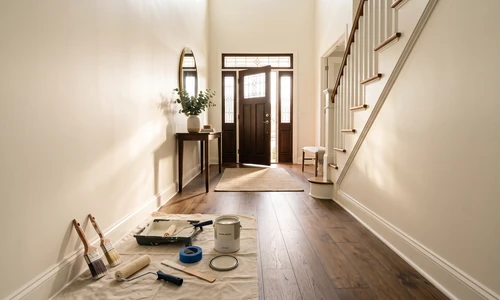
A fresh coat of paint changes how a room feels almost overnight, but not every room delivers the same payoff for the time and money you put into it. Some rooms shift buyer perception the moment someone walks through the front door. Others need a repaint every five years just to survive daily wear. This guide breaks down which rooms benefit most from repainting, why, and how to build a room-by-room priority list so your next project targets the spaces that actually move the needle on comfort, durability, and home value.
Which rooms benefit most from repainting? Entryways and foyers deliver the fastest, most visible return because they set the tone for the entire home and anchor a buyer's or guest's first impression. Small rooms and hallways gain the most in perceived space when painted in light, reflective colors. High-traffic kitchens and bathrooms benefit most from durability-focused repaints tied to moisture and cleaning demands.
Every room on this list responds differently to paint, and matching the right color, sheen, and timeline to each one takes some judgment calls. If you would rather have that judgment handled for you, interior painting services from Ace Hardware Painting Services cover everything from room prioritization to final cleanup, and you can bring us in at any point in your planning, even just to sanity-check your own plan.
Quick Overview of Room Prioritization
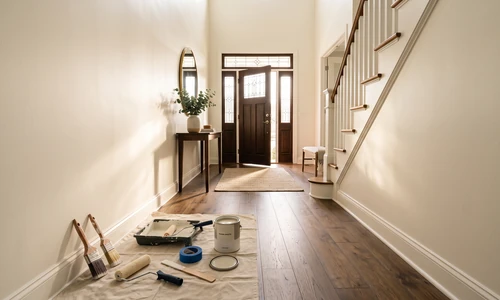
Before diving into specifics, here is the short version of how rooms rank when you are deciding where to spend your repainting budget first:
- Entryways and foyers - highest immediate impact on first impressions and perceived home value
- Small rooms and hallways - best return on light colors for visual expansion
- Bathrooms - moisture exposure means they benefit most from frequent, durability-focused repaints
- Kitchens - heavy daily traffic plus grease and splashes call for washable, durable finishes
- Bedrooms - lower traffic means longer paint life, but calming colors deliver strong comfort value
- Living rooms - flexible, moderate-priority spaces that adapt well to changing decor
Assessing Your Rooms Before You Begin
Room Types and Their Benefit Categories
Every room falls into one or more benefit categories: visual impact, durability need, or resale value. Entryways score high on visual impact and resale value simultaneously. Bathrooms and kitchens score high on durability need because of moisture, grease, and constant use. Bedrooms and living rooms lean toward comfort and flexibility rather than urgent wear. Walk through your home and sort each room into these categories before you buy a single gallon of paint. This sorting exercise, more than any color chart, determines where your budget should go first.
Pre-Work Checks: Traffic, Light, and Moisture Levels
Before repainting any room, check three things: how many people pass through it daily, how much natural light it receives, and whether humidity or moisture is a regular factor. High-traffic, low-light, high-moisture rooms need the most durable finishes and the shortest repaint cycles. Low-traffic, well-lit, dry rooms can go longer between coats and support a wider range of finishes, including flatter sheens that would fail quickly in a bathroom.
Essential Equipment and Materials for a Room Refresh
Sprayer vs Brush and Roller
For most single-room repaints, a brush and roller combination gives you better control and less overspray risk than a sprayer, especially in occupied homes where furniture and flooring need protection. Sprayers earn their keep on large, open spaces like full-home interiors or vaulted ceilings, but for entryways, bathrooms, and bedrooms, a quality roller with the right nap thickness and an angled sash brush for trim will get cleaner results with less setup time.
Paint Quality and Sheen Selection
Premium Benjamin Moore paints and stains hold color truer and resist fading longer than budget lines, which matters most in rooms that get direct sunlight or heavy handling, like entryways and kitchens. Sheen selection matters just as much as color. Semi-gloss and satin finishes resist moisture and wipe clean easily, making them the right call for bathrooms and kitchens. Matte and eggshell finishes diffuse light softly and hide minor wall imperfections, which suits bedrooms and low-traffic hallways.
Other Materials You Will Need
- Painter's tape for clean trim and ceiling lines
- Drop cloths or plastic sheeting to protect flooring and fixtures
- Sandpaper or a sanding sponge for surface prep
- Primer suited to the surface (bare drywall, glossy trim, or stained areas)
- Angled sash brush for cutting in corners and trim
- Roller frame, extension pole, and roller covers matched to wall texture
- Putty knife and spackle for minor wall repairs
If figuring out the right equipment mix across several rooms starts to feel like more planning than painting, Find Your Local Ace Hardware Painting Services office and let a crew handle the equipment decisions along with the labor.
Step-by-Step Room-by-Room Repainting Priorities
Step 1: Entryways and Foyers First
Entryways deliver the fastest, most visible return of any room in the house. Because everyone who enters your home passes through it, the entryway anchors first impressions for guests and, if you are selling, for buyers walking through during a showing. Warm-white and soft-greige tones read as clean and updated without feeling stark, and interior repainting research tied to home sales has shown returns exceeding the cost of the paint job itself when the work is done well. Start here if you are working with a limited budget and want the most noticeable shift for the effort involved.
Step 2: Small Rooms and Light-Reflective Colors
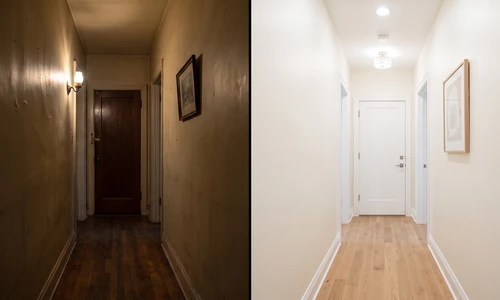
Small rooms, powder rooms, closets, and narrow hallways gain the most from light, reflective color choices. Soft grays, off-whites, and pale sage tones bounce available light around a cramped space and make ceilings feel higher and walls feel farther apart. Dark colors in small rooms tend to close a space in visually, even though they can work well in larger rooms with more natural light. If a small room in your home feels cramped or dim, repainting it in a light, matte-to-eggshell finish is one of the highest-value, lowest-cost changes you can make.
Step 3: Bathrooms - Moisture-Resistant Repainting
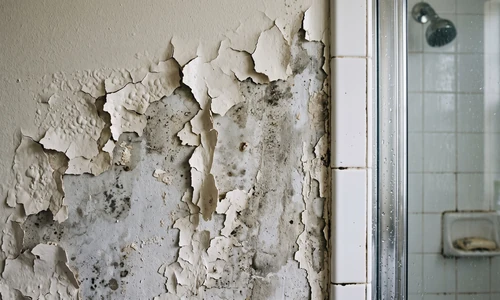
Bathrooms carry constant humidity from showers and baths, which means paint here needs to resist moisture, not just look good. Semi-gloss and satin finishes shed water and wipe clean, preventing the peeling and mildew that flatter finishes develop in wet rooms. Light-blue tones remain a consistently strong performer in bathroom painting projects for their calming, clean association, but the finish choice matters more than the color for long-term durability. Expect to repaint bathrooms on a five to seven year cycle given the humidity exposure.
Step 4: Kitchens - High-Traffic Durability
Kitchens see grease splatter, steam, constant hand contact near cabinets and switches, and more foot traffic than almost any other room. Satin or semi-gloss finishes stand up to repeated washing far better than flat paint, and soft-greige tones continue to test well with buyers looking for a warm, neutral backdrop that pairs with any cabinet color. Kitchens land on the same five to seven year repaint cycle as bathrooms, driven by the same wear-and-tear logic.
Step 5: Bedrooms and Low-Traffic Spaces
Bedrooms benefit more from color psychology than from durability engineering. Calming palettes, soft neutrals, pale greens, and muted blues, support better sleep and lower stress by design, and because bedrooms see far less daily wear than kitchens or entryways, matte finishes work well here without a durability tradeoff. Bedrooms and other low-traffic spaces typically hold their paint job for seven to ten years, making them a lower repainting priority even though the comfort payoff is real.
Step 6: Living Rooms - Flexible Repainting
Living rooms serve as social hubs, media spaces, and design anchors all at once, which means flexibility matters more than a single ideal color. Warm-white and light neutral finishes adapt easily as furniture and decor change over the years, keeping the room from feeling dated. Living rooms sit in a moderate repainting window of about six to eight years, reflecting moderate use that falls between the heavy wear of kitchens and the light use of bedrooms.
Choosing the Right Paint and Finish for Each Room
Application, Cure Time, and Aftercare by Sheen
Higher-gloss finishes like semi-gloss take slightly longer to level out during application and need careful roller technique to avoid visible lap marks, but they cure to a wipeable surface within about two to four weeks depending on humidity and temperature. Matte and eggshell finishes forgive application mistakes more easily and cure faster to a light touch-clean state, though they should still avoid heavy scrubbing for the first month. In moisture-prone rooms like bathrooms and kitchens, hold off on running exhaust fans directly on fresh paint and avoid heavy steam exposure for at least a week after the final coat to let the finish fully harden.
Accent Wall vs Full-Room Repainting
Not every room needs a full repaint to see a benefit. Accent walls concentrate color and budget into one focal surface, while full-room repaints commit to a single cohesive look throughout. The right call depends on the room and the goal.
Full-room repainting is the right call when:
- You are painting an entryway and want a consistent, cohesive first impression from every angle
- The room is small and you are relying on light color to expand the perceived space, since an accent wall would fragment that effect
- You want a calm, consistent ambiance in a bedroom without a dominant focal wall competing for attention
An accent wall is the right call when:
- You want style flexibility in a living room without repainting the whole space when trends or furniture change
- Budget is limited and you want a noticeable design statement without the material and labor cost of a full room
- The room already has good natural light and neutral walls, and you just want a focal point behind a bed or media console
Special Considerations for Challenging Rooms
Rooms with unusual conditions need more than a standard color-and-sheen decision. Bathrooms without adequate ventilation may need a moisture-resistant primer before any topcoat goes on, regardless of finish, or the new paint will fail within a year. Kitchens near cooking surfaces sometimes need a grease-blocking primer if the walls have years of buildup, since paint applied directly over grease film will peel. Older homes with plaster walls in entryways or hallways may need specialty bonding primers, since standard drywall primer does not always adhere the same way. Rooms with significant water staining from past leaks need the stain sealed before repainting or it will bleed through even multiple coats of fresh paint.
If a room in your home falls into one of these harder categories, working through the diagnosis alone can eat up more time than the actual painting. Kitchen painting projects in particular often reveal grease and moisture issues once prep work starts, and having a crew evaluate the surface before you commit to paint can save a repaint down the line.
Maintenance and Long-Term Care
How often do rooms need repainting? High-traffic, high-moisture rooms like kitchens and bathrooms need repainting roughly every five to seven years due to constant wear and humidity exposure. Living rooms fall in a moderate six to eight year window. Bedrooms and other low-traffic rooms can often go seven to ten years before showing enough wear to justify a repaint.
Beyond the repaint schedule, a few habits extend the life of any paint job:
- Clean walls gently. Use a soft cloth and mild soap on washable finishes rather than abrasive scrubbers that dull the sheen over time.
- Address touch-ups quickly. Small scuffs and chips are easier to blend when addressed early, before the surrounding paint has aged and shifted in tone.
- Control humidity. Run bathroom exhaust fans during and after showers to reduce the moisture load on painted surfaces.
- Watch for fading near windows. Direct sunlight breaks down pigment faster than in shaded rooms, so rooms with large south-facing windows may need earlier attention than the standard cycle suggests.
Things to Consider Before You Start
- How many rooms are you actually planning to tackle? A single entryway repaint is a weekend project. Prioritizing across five or six rooms is a multi-week commitment with sequencing decisions that get complicated fast.
- Do you have the ventilation and time for moisture-sensitive rooms? Bathrooms and kitchens need proper drying time and airflow that not every schedule accommodates easily.
- Are you comfortable making sheen decisions room by room? Getting this wrong in a bathroom means a repaint within a year or two, not a decade.
- Is your goal comfort, resale value, or both? That answer changes which rooms should get your attention first.
If those questions feel manageable, you likely have what you need to move forward on your own. If they raise more questions than answers, that is the signal to bring in a crew rather than guess.
Why Homeowners Bring in Ace Hardware Painting Services
Plenty of homeowners start a room prioritization plan on their own and then decide the execution is better handled by a crew. Here is what that decision typically comes down to:
- Premium Benjamin Moore paints and stains as a standard part of the job, not an upgrade
- Color consultation and color samples included, so you are not guessing between soft-greige and warm-white on your own
- A strong workmanship guarantee backing every room we paint
- No sprayer or specialty gear to rent, learn, or return when your project spans multiple rooms
- Background-checked professional crews working in your home, room by room, with respect for your schedule and belongings
- A predictable weekday timeline instead of an open-ended DIY project competing with your work and family schedule
- Cleanup included at the end of every day, not just the last one
- The same Ace Helpful service standard you already trust from the retail stores, brought directly into your home
If you have worked through this guide and decided your time is better spent elsewhere, your local Ace Hardware Painting Services office can walk your rooms with you and build a prioritized plan that fits your goals and your budget.
Frequently Asked Questions
Which rooms benefit most from repainting?
Entryways benefit most for immediate visual and resale impact, small rooms benefit most from light color for perceived space, and bathrooms and kitchens benefit most from durability-focused repaints tied to moisture and daily wear.
How often do rooms need repainting?
High-traffic rooms like kitchens and bathrooms typically need repainting every five to seven years due to moisture and wear. Living rooms fall around six to eight years. Bedrooms and other low-traffic rooms can often go seven to ten years.
What color makes a house look expensive?
Soft-greige, warm-white, and pale sage tones consistently read as higher-end and more updated in buyer surveys and market research, largely because they photograph well, pair with any decor style, and avoid the dated feel of trend-driven bold colors.
What is the happiest color to paint a room?
It depends on the room's function. Energizing colors work well in social spaces like living rooms, while calming, soft neutral tones support relaxation better in bedrooms and other rest-focused spaces. There is no single "happiest" color across every room type.
Should I repaint my entire home or focus on specific rooms?
Focusing on specific rooms is almost always the smarter budget move. Entryways, small rooms, and heavily used kitchens or bathrooms deliver a stronger return per room than spreading the same budget thin across a full-home repaint.
What paint finish works best for high-traffic rooms?
Satin and semi-gloss finishes work best in high-traffic rooms like kitchens and bathrooms because they resist moisture, wipe clean easily, and hold up to repeated contact far better than flat or matte finishes.