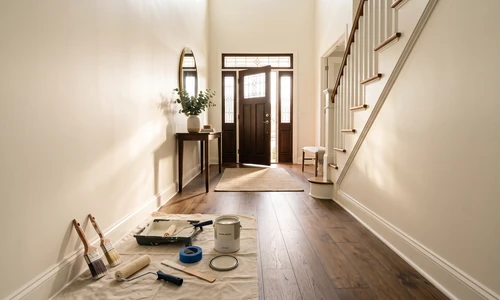
How to Choose the Best Paint Finish
Paint finish decisions feel minor until you open a freshly painted room and realize something is off. The sheen catches light at the wrong angle, fingerprints show on every doorframe, or the ceiling looks oddly shiny next to the walls. Choosing the right finish means weighing real trade-offs: durability versus appearance, maintenance versus aesthetic sophistication, forgiving application versus flawless surface requirements. This guide walks through each finish type and how to match sheen to your room conditions.
How do I choose the right paint finish? Evaluate four factors for each surface: moisture exposure, traffic intensity, aesthetic priority, and your tolerance for ongoing maintenance. Rooms with high humidity or frequent contact need more sheen; spaces where appearance matters most and traffic is low give you room to go flat or matte. Map those four factors, and the finish choice follows.
If the project grows beyond a single room or the surface conditions get complicated, residential interior painting handled by Ace Hardware Painting Services puts the finish decision in the hands of crews that work with Benjamin Moore products every day and bring color consultation to every project.
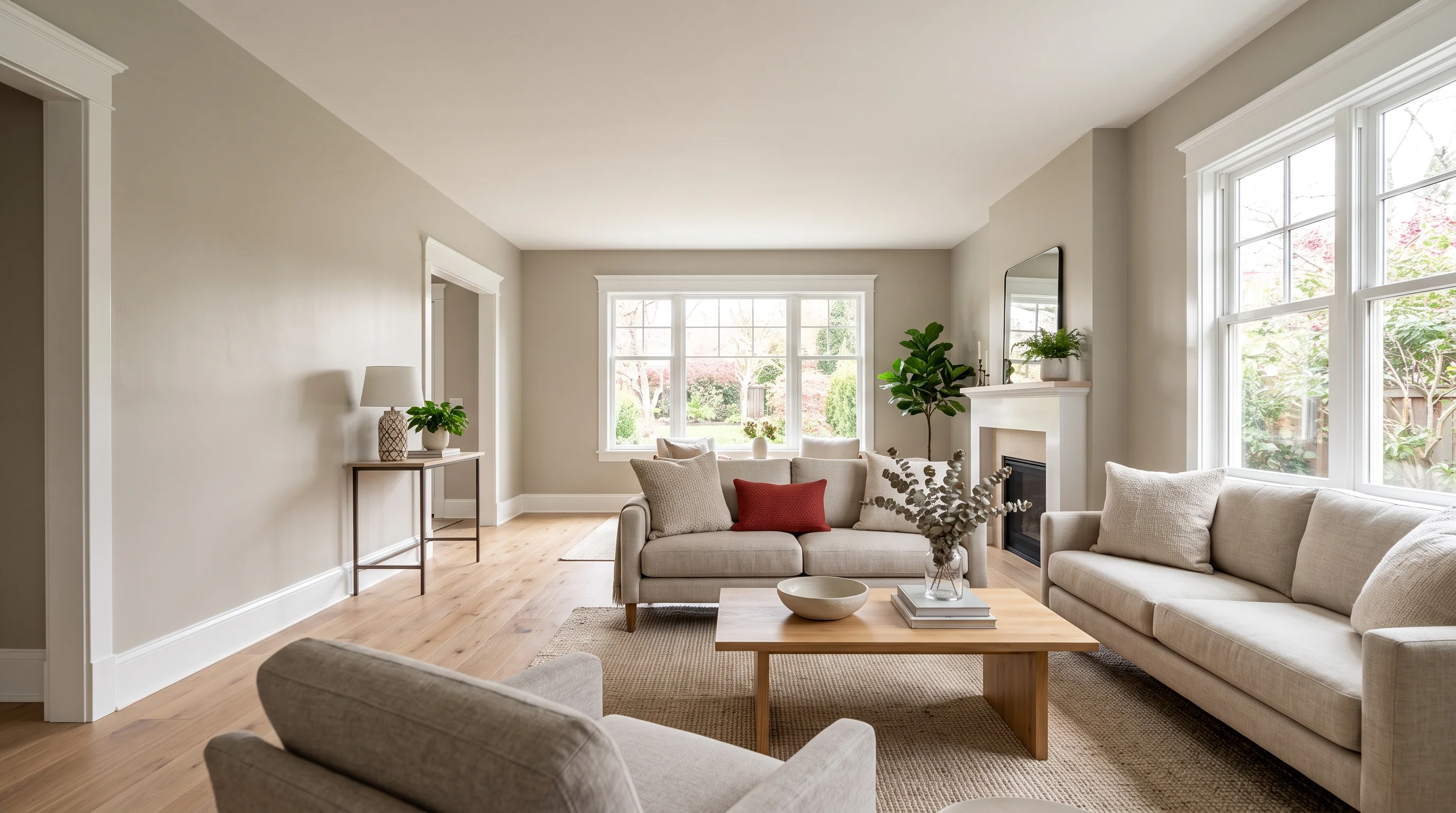
Quick Overview of Paint Finish Types
Here is the sheen spectrum from lowest to highest reflectivity and where each finish fits.
- Flat/Matte: No shine. Hides surface imperfections. Best for ceilings and low-traffic interior walls. Difficult to clean.
- Eggshell: Faint, subtle sheen. Better durability than flat. Works well in living rooms, bedrooms, and dining rooms with moderate traffic.
- Satin: Soft, velvety glow. The workhorse finish for most interior walls. Handles moisture and cleaning well. Tolerates imperfect application better than higher sheens.
- Semi-Gloss: Noticeable reflectivity. The standard choice for trim, doors, cabinets, and bathrooms. Highly cleanable and moisture-resistant.
- High-Gloss: Maximum shine and hardness. Dramatic on architectural features and cabinetry. Demands flawless prep and application. Shows every imperfection.
Assessing Your Surfaces Before You Begin
Understanding What Sheen Actually Measures
Sheen is a measurement of light reflectivity. Manufacturers measure it at specific angles using a gloss meter, and the resulting number determines how a finish is categorized. The higher the reading, the more light the cured surface reflects back.
Reflectivity is not just cosmetic. It corresponds directly to the density of resin binders in the paint. Higher-gloss finishes contain more binder relative to pigment, and that denser resin matrix makes semi-gloss and high-gloss finishes harder, more resistant to moisture, and easier to wipe clean. Lower-sheen finishes have a more porous surface that scatters light rather than reflecting it, which is why flat paint makes irregularities nearly invisible but also stains easily and scrubs poorly.
Understanding this connection between sheen, resin density, and surface behavior turns finish selection from guesswork into a logical decision. You are not just picking an appearance; you are choosing a surface chemistry that performs under your room's conditions.
Pre-Paint Surface Checks
Higher-gloss finishes amplify everything on the wall underneath. Before selecting a finish, examine the surface in raking light, meaning light that strikes the wall at a low angle from one side. This reveals every bump, nail pop, skim coat seam, and roller texture that a high-sheen finish would then make more visible. Either repair the surface thoroughly before using a higher sheen, or select a lower-sheen finish that scatters light and minimizes the flaws.
Also assess the existing finish. Applying high-gloss paint directly over a flat or matte surface without priming can cause adhesion problems and uneven sheen. If you are painting over an oil-based finish with a water-based product, or changing dramatically between sheen levels, scuff sanding and priming are not optional; skipping them creates adhesion failure and an inconsistent appearance.
Essential Equipment and Materials for a Paint Finish Project
Application Tools by Sheen Type
The tool you use affects how the final sheen reads, especially at higher gloss levels.
For flat and matte finishes, a standard 3/8-inch nap roller leaves a texture that reads as part of the matte surface. Lap marks and roller pattern are forgiving because low reflectivity hides application variation, and the slight difference between brushed cut-in work and rolled areas is not visible.
For eggshell and satin, a 3/8-inch or 1/4-inch nap roller produces a smoother surface. These finishes reflect enough light that roller marks show if technique is inconsistent, so maintain a wet edge and work in sections to avoid lap marks drying between passes.
For semi-gloss and high-gloss, technique matters significantly. A short-nap roller (1/4 inch) or a foam roller produces the smoothest result. Brush marks from cut-in work can show as distinct lines against the rolled surface because the sheen reflects both uniformly. Professional painters often use an airless sprayer for high-gloss trim and cabinetry because it eliminates surface texture. If you are rolling semi-gloss, work quickly, maintain a wet edge, and never go back over a section that has begun to tack.
Paint Selection and Benjamin Moore Options
Not all paints in a given sheen category perform equally. Binder quality, pigment load, and formulation determine how well a finish holds up to cleaning, moisture, and wear. Benjamin Moore's waterborne alkyd products, including the Advance line for cabinetry and trim, deliver a semi-gloss or satin surface with hardness closer to oil-based enamel than standard latex. For walls, Benjamin Moore Regal Select in satin or eggshell holds up to scrubbing better than most contractor-grade paints in the same sheen category.
Sheen consistency across coats matters too. If your first and second coats come from different batches or product lines, the cured sheen can read differently under light. Stick to one product line and mix all cans of the same color together before you start.
Other Materials You Will Need
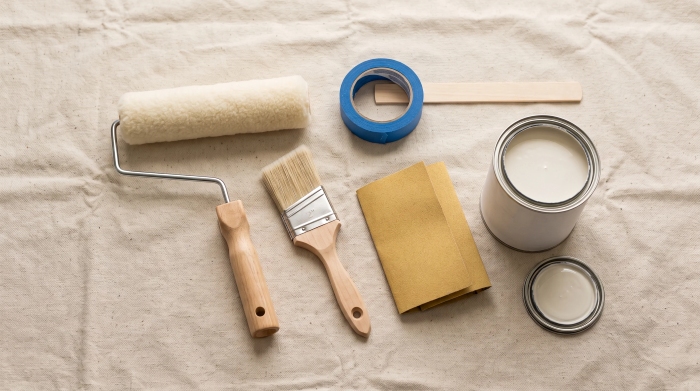
- Primer appropriate for your surface and finish (shellac-based for stains, water-based bonding primer for slick surfaces)
- Sandpaper in 120-grit for surface prep and 220-grit for between-coat sanding on high-gloss work
- Painter's tape and drop cloths
- Short-nap rollers (1/4 inch) for semi-gloss and high-gloss; 3/8-inch rollers for eggshell and satin
- Angled sash brush for cut-in work on trim
- Tack cloth for removing sanding dust before applying high-gloss finishes
- Good lighting (raking light source) for surface inspection
If the prep requirements or the sheen level you want make the application scope feel unmanageable, your local Ace Hardware Painting Services office can scope the project and give you an honest picture of what professional application would involve. Get an Estimate before committing to rental equipment for a high-gloss trim project.
Step-by-Step Paint Finish Selection Process
Step 1: Map the Room's Functional Conditions
Identify the moisture exposure level first. Rooms with consistent humidity, steam, or water contact, such as bathrooms, kitchens, and laundry rooms, need enough resin density to resist moisture. Flat and eggshell finishes absorb moisture over time, causing the film to soften, swell, and eventually peel. Satin is the minimum for these spaces; semi-gloss is the standard.
Next, assess traffic intensity, meaning physical contact: hands near doorways, shoulders brushing hallway paint, children's fingers, furniture, and pets. Higher traffic means more scuffing and more wiping. Flat finishes mark easily and cannot be scrubbed without removing film; eggshell handles occasional light wiping, satin tolerates regular cleaning, and semi-gloss handles vigorous scrubbing.
Step 2: Evaluate Aesthetic Priority and Lighting
Sheen affects how color reads. Higher-gloss finishes increase perceived color saturation because they reflect more light, so the same color appears deeper, warmer, and more intense in semi-gloss than in flat. In a room with limited natural light, satin can brighten the space slightly; in a room with abundant direct light, a high-sheen finish may create distracting glare.
Flat finishes produce a dimensional, sophisticated look because they absorb light, so colors appear slightly softer and more complex. This is why flat remains popular in formal dining rooms and master bedrooms where refinement matters more than cleanability. Sheen also affects perceived room size: higher-sheen walls make a space feel slightly smaller through more visual activity, while flat walls and ceilings expand the perceived scale by reducing reflective contrast.
Step 3: Assess Your Maintenance Tolerance
This is the step most homeowners skip, and where post-project dissatisfaction tends to start. Ask honestly how often you are willing to clean walls, and how vigorously. Occasional light wiping calls for eggshell at minimum; regular scrubbing with household cleaners needs satin; wiping grease, crayon, or food splatters cleanly points to semi-gloss.
Flat and matte finishes cannot be scrubbed. Spot cleaning works with a barely damp cloth and very mild soap, but vigorous wiping removes the paint surface rather than the dirt. Choosing flat means accepting touch-up painting rather than cleaning.
Step 4: Consider Surface Condition and Application Complexity
What type of paint gives the smoothest finish? It depends on what you mean by smooth. Flat and matte finishes look visually smoothest because they minimize imperfections; high-gloss on the same wall looks less smooth because it amplifies every flaw. Tactile smoothness comes from prep and technique, not sheen: a spray-applied high-gloss surface is perfectly smooth to the touch, but only because thorough prep eliminated every imperfection first.
For DIY painters, this is practical: if your walls have texture, old repairs, or inconsistent conditions, a lower sheen is more forgiving, while higher sheen means significantly more prep time.
Step 5: Confirm Your Selection Against the Room
Before committing to full gallons, buy sample pots of your chosen finish and color. Paint large swatches (at least 12 by 12 inches) on the actual wall and observe them at different times of day in both natural and artificial light. The difference between satin and eggshell is subtle in the store but visible in your room once the light changes. Observing samples in place is the only reliable way to confirm both color and finish before buying full volume.
Choosing the Right Finish for Each Surface and Room
High-Moisture Areas: Kitchens and Bathrooms
Moisture resistance is the dominant factor in kitchens and bathrooms. Flat and eggshell finishes have a porous surface that lets moisture penetrate the film gradually, leading to softening, bubbling, and eventual peeling in high-humidity bathrooms, while grease and steam accelerate that degradation in kitchens.
Satin is the practical minimum for bathroom walls, with enough resin density to resist casual moisture and allow routine wiping. Semi-gloss is the conventional choice for kitchen walls, behind stovetops and sinks in particular, because it creates a more durable moisture barrier and tolerates grease-cutting cleaners. High-gloss suits kitchen cabinetry, where maximum durability, cleanability, and visual definition justify the added application demands.
High-Traffic Spaces: Living Rooms, Hallways, and Family Rooms
What sheen do most painters use? For interior walls in living spaces and hallways, satin is the industry standard because it sits at the balance point between durability and appearance. It resists scuffing and light abrasion from regular contact without reflecting light so strongly that it reveals roller marks, and it tolerates standard cleaning products without breaking down the film. Satin handles the most situations reliably, which is why it has become the default for main living areas.
Eggshell is a reasonable choice for living rooms and dining rooms with moderate adult traffic, stepping up durability from flat while keeping a softer look. In homes with children, pets, or high-contact areas, satin is the more durable and practical choice.
Low-Traffic Spaces: Bedrooms and Dens
Bedrooms and private sitting rooms offer maximum finish flexibility because constraints are minimal: moisture exposure is low, traffic rarely involves vigorous wall contact, and refinement often matters more than washability. Flat and matte finishes work well here, creating a sophisticated, visually quiet appearance. Eggshell is a sensible middle ground if you want to spot-clean without full repaints, and satin fits if the bedroom is a shared or high-use space.
Lighting matters more in bedrooms than most rooms because light sources change dramatically between morning and evening. A flat finish reads consistently, while satin or semi-gloss may create unwanted glare from bedside lamps in an otherwise dim room. If uncertain, test your finish choice in the lighting the room uses most.
Trim, Doors, and Architectural Features
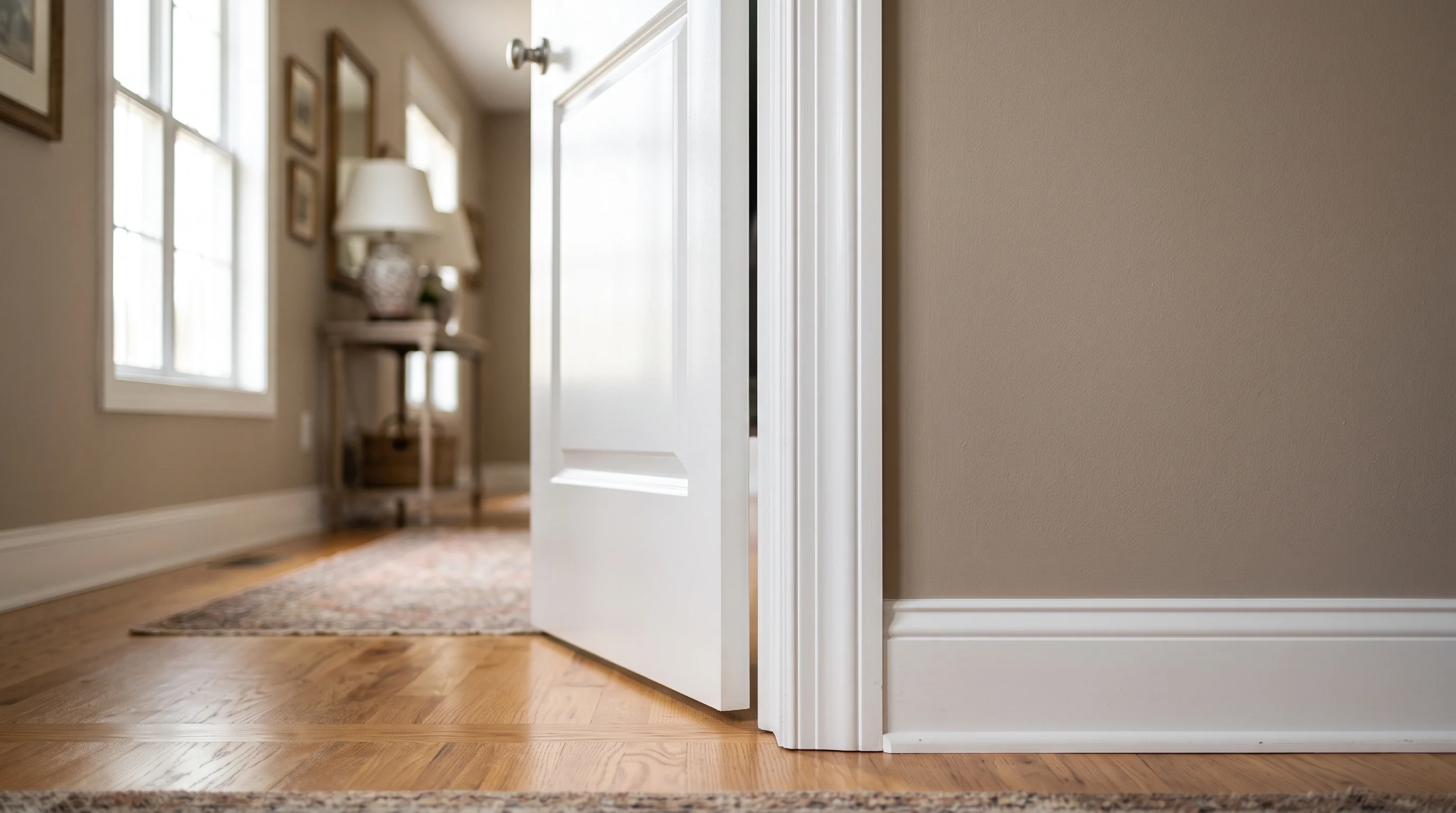
Trim and doors are touched, leaned against, and cleaned more often than walls. Semi-gloss is the conventional choice for baseboards, door frames, window casings, and doors because it combines durability, cleanability, and visual definition. The higher sheen on trim also creates architectural contrast against flatter walls, a deliberate convention that helps define the room's structure.
High-gloss suits specialty applications: furniture-style cabinetry, built-ins, and accent features where a bold, lacquered look is the intent. It is also the right choice for exterior-facing doors where weather resistance matters. High-gloss requires flawless preparation; any sanding scratches, grain raising, or irregularities will be fully visible in the cured finish.
Special Considerations for Challenging Surfaces
Some surfaces need extra steps first. Bare wood must be primed with a product that seals the grain and equalizes absorption; without it, the topcoat sheen will be uneven because porous grain absorbs finish at a different rate than denser fibers, creating a blotchy appearance no second coat will fully correct.
Previously painted oil-based surfaces require scuff sanding and a bonding primer before a water-based topcoat; skipping this causes adhesion failure that shows as peeling or wrinkling. Changing from high-gloss to flat or eggshell also needs scuff sanding, since glossy surfaces have too little texture for new paint to grip.
Surfaces with water stains, smoke damage, or tannin bleed from wood knots need a stain-blocking primer, typically shellac-based; applying finish paint directly over these stains lets them bleed through no matter how many coats you apply.
Plaster walls in older homes absorb water-based paint rapidly, causing the film to dry too quickly and peel. A diluted first coat or a plaster-specific primer gives the surface enough stability for later coats to cure properly.
When the surface conditions are complicated or the combination of repairs and finish changes creates a scope that exceeds a standard DIY weekend, professional interior painting from Ace Hardware Painting Services handles surface assessment and prep as part of every project. Call Today to discuss your surface conditions before investing in materials.
Maintenance and Long-Term Care by Finish Type
How you maintain a painted surface is largely determined by the finish you chose. Each sheen level has a distinct cleaning protocol and a characteristic way of showing wear.
- Flat and Matte: Spot clean only with a barely damp cloth and no soap pressure; any scrubbing removes surface paint. These finishes hide wear initially because the matte surface scatters light, but cannot be restored by cleaning once marked. Budget for periodic touch-up painting.
- Eggshell: Gentle wiping with a soft cloth and mild diluted soap handles light marks and dust; avoid abrasive pads or cleaners. Eggshell holds up to occasional cleaning but shows a burnished spot if scrubbed repeatedly in the same area.
- Satin: Handles standard cleaning products and a soft cloth or sponge without damage. Wipe spills promptly; prolonged contact with moisture or acidic substances can still affect the film. Satin is the lowest sheen that tolerates regular cleaning as routine maintenance.
- Semi-Gloss and High-Gloss: The most durable and tolerant of vigorous cleaning, handling degreasers, scrubbing sponges, and repeated washing without significant degradation. High-gloss shows water spots and streaks more visibly, so wipe it dry after cleaning.
- Long-term aging: High-gloss shows scratches and scuffs because they break the reflective surface. Flat hides individual scuffs but shows overall dulling and soiling over time. Satin and eggshell age more gracefully in most interior conditions.
Things to Consider Before You Start
Paint finish selection has real consequences that are difficult to reverse without repainting. Before you commit to product, work through these questions.
- Do you have the surface preparation time the finish requires? Higher-sheen finishes reward thorough prep and punish skipped steps. If your timeline does not include time to repair, sand, prime, and inspect, choose a more forgiving sheen.
- Are you painting the room consistently? Mixing finish levels between walls and trim is intentional; mixing them inconsistently within the same surface draws the eye for the wrong reasons.
- Have you tested your finish in the actual room under its actual light? Color and sheen look different on a small chip in a bright store than on a large wall in your room.
- Do you understand the maintenance implications? Selecting flat for a hallway means accepting touch-up painting rather than cleaning.
- Is the underlying surface in condition to accept the finish you want? If not, the path involves either more prep work or a finish that compensates for imperfections.
If the scope of prep, application complexity, or surface condition tips the project beyond what you want to manage personally, that is a reasonable place to bring in professional help.
Why Homeowners Bring in Ace Hardware Painting Services
Some finish projects are well within DIY reach. Others involve surface conditions, finish levels, or room complexity that make professional application the more practical path. Here is what comes with bringing in Ace Hardware Painting Services.
- Premium Benjamin Moore paints and stains are part of the standard scope on every project, not an upgrade. The paint quality homeowners read about in finish comparisons is what goes on the wall.
- Color consultation and color samples are included. Crews help you connect finish type, sheen level, and color selection so the final room reads the way you intend, not the way a paint chip suggested it would.
- A strong workmanship guarantee backs every project. If the finish does not perform as it should, that is covered.
- No sprayer, no specialty rollers, no rental equipment to source, learn, and return. The application tools required for a high-gloss cabinet finish or a multi-room satin project are part of what crews bring.
- Background-checked professional crews handle every job. You know who is in your home.
- A predictable weekday timeline means the project fits a defined window, not an open-ended commitment.
- Cleanup is included. Drop cloths come down, tape comes off, and the room is left ready to use.
- The Ace Hardware name and standard of service extend directly into your home. The same reliability and trustworthiness that define the retail experience apply to every paint project.
When you are ready to move from planning to paint, your local Ace Hardware Painting Services office can scope your project and walk through finish recommendations for every surface. Schedule Today and put the decision framework in the hands of crews that work through it every day.
Frequently Asked Questions
Is matte or eggshell better for walls?
Eggshell is the stronger choice for most painted walls. It adds only a faint sheen compared to flat, but that translates to meaningfully better durability and cleanability, holding up to light wiping where flat cannot. For walls that see regular activity or need periodic cleaning, eggshell outperforms matte while still delivering a refined, low-key appearance.
What sheen do most painters use for interior walls?
Satin is the interior wall standard among professional painters. It sits at the balance point between durability and visual refinement, resisting scuffing and handling routine cleaning without the flawless prep semi-gloss demands. It works across a wide range of room types and lighting, which is why it is the default recommendation for most interior walls in active living spaces.
Can I apply a higher-sheen finish over a lower-sheen finish?
Yes, with proper preparation. Scuff sand the existing surface with 120-grit sandpaper to remove the gloss and give the new paint something to grip, wipe away all sanding dust, then apply a bonding primer if the surface is particularly slick. Skipping the sanding step is the most common cause of adhesion failure and uneven sheen when changing finish levels. The more dramatic the change, the more preparation the surface requires.
How does sheen affect the way paint color looks in a room?
Higher-sheen finishes reflect more light and increase perceived color saturation and warmth, so the same color in semi-gloss appears deeper and more intense than in flat. In rooms with abundant natural light, this can make a space feel more vibrant, while in darker rooms the reflectivity from satin or semi-gloss can brighten the environment. Testing samples in your specific lighting is the most reliable way to evaluate this before buying full quantities.
What finish works best for ceilings?
Flat is the conventional choice for ceilings in nearly every room. Ceilings are rarely touched, have minimal moisture exposure, and benefit from the light-scattering quality of flat paint because it minimizes slight irregularities, roller texture, and shadows from overhead fixtures. A flat ceiling against satin or eggshell walls is the standard convention, reducing visual activity at the top of the room and drawing attention downward.
How much does paint finish affect how long a paint job lasts?
Finish type is one of the more significant variables in longevity, alongside paint quality and surface preparation. Higher-sheen finishes generally last longer in high-contact areas because their denser resin matrix resists abrasion and moisture better than flat or matte. A semi-gloss finish on a bathroom wall may hold up for years with proper cleaning, while a flat finish in the same environment may peel or degrade much sooner. Choosing the right sheen for each room's conditions is a practical investment in how long the finish performs.