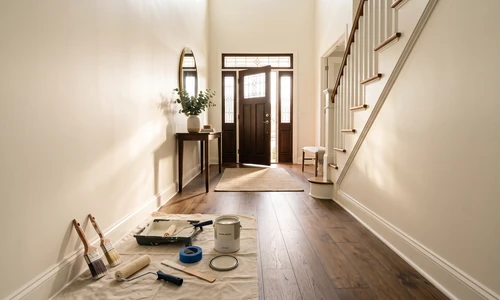
Eggshell Vs. Flat Paint
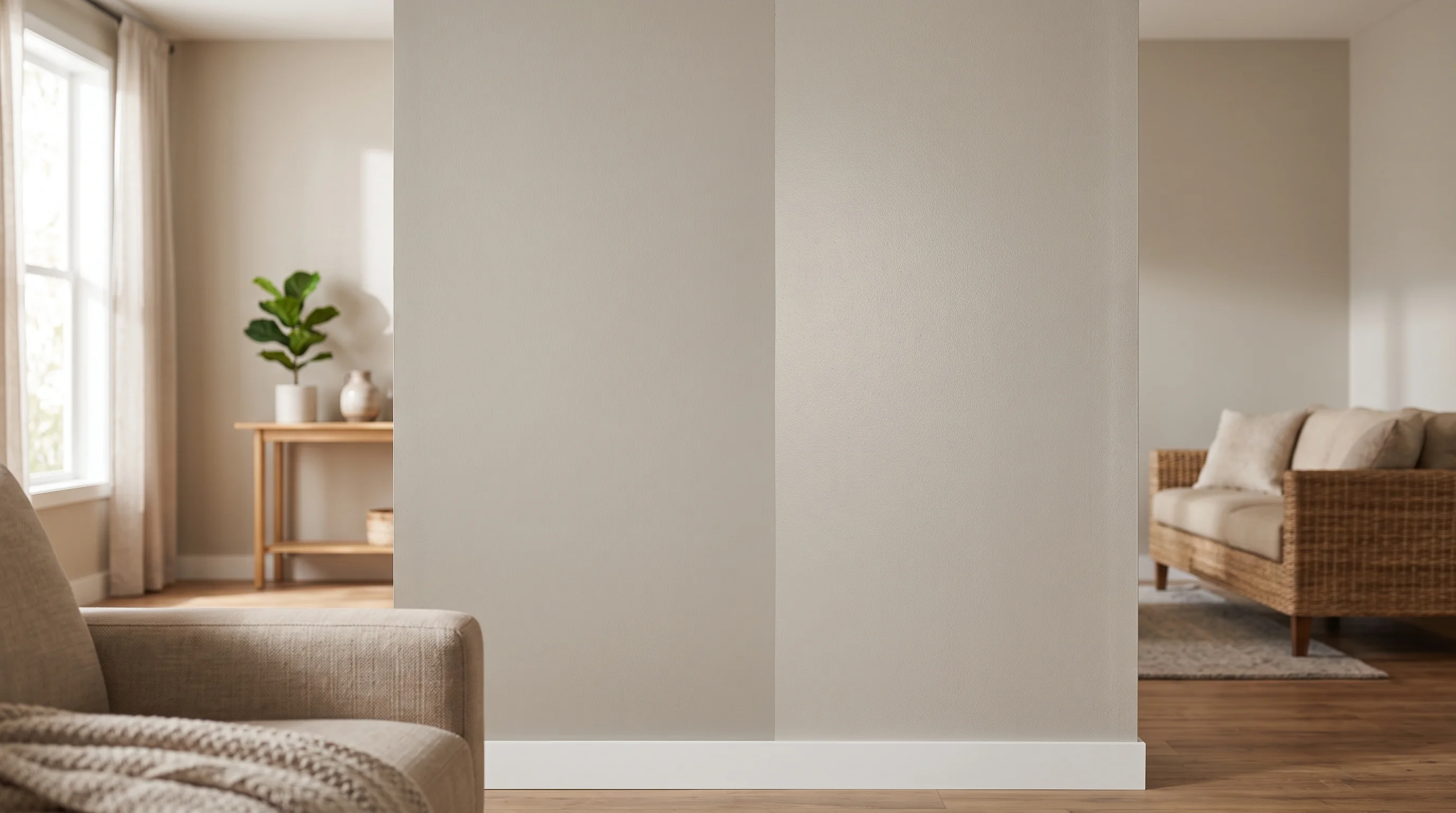
Choosing between eggshell and flat paint is one of the most common decisions homeowners face before a painting project, and it matters more than most people expect. The finish you select affects how light moves across your walls, how long the paint holds up under daily wear, and how much maintenance you take on over the life of the surface. This guide covers both finishes, from visual behavior and durability to application technique, room-by-room logic, and long-term care, so you can make the right call before the first brush stroke.
Why do people use flat paint on walls? Flat paint absorbs light rather than reflecting it, so wall texture, minor dents, and surface imperfections effectively disappear into the finish. That makes it a strong aesthetic choice in formal spaces where a smooth, uniform look is the goal, and painters also favor it for ceilings and low-traffic rooms where washability is not a priority.
If you would rather put the finish decision in professional hands, residential interior painting through Ace Hardware Painting Services includes color consultation and finish guidance in the scope, so it gets made correctly from the start.
Quick Overview: Flat vs. Eggshell Paint at a Glance
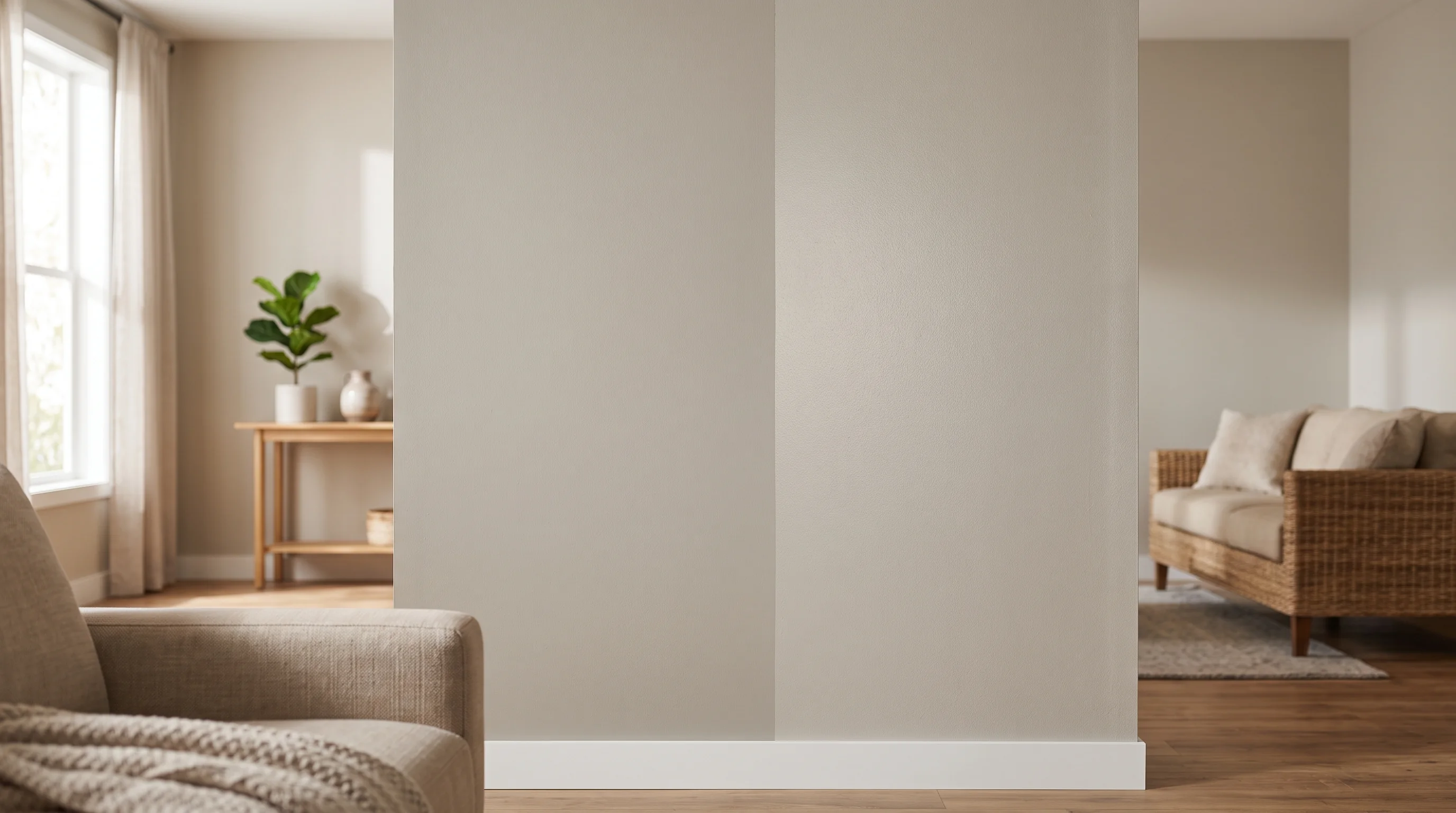
- Flat paint has zero to near-zero sheen; it absorbs light and hides surface imperfections.
- Eggshell paint has a very low, soft sheen; it reflects a small amount of light and creates a subtle glow on walls.
- Flat is the standard choice for ceilings, low-traffic rooms, and spaces where aesthetics outweigh durability.
- Eggshell is the workhorse finish for living areas, hallways, bedrooms, and anywhere walls get touched regularly.
- Flat paint is generally easier to touch up because new paint blends invisibly into the existing surface.
- Eggshell handles cleaning better; you can wipe most scuffs and smudges away without damaging the film.
- Neither finish is universally superior. The right choice depends on the room, the surface condition, and how the space gets used.
Understanding Sheen, Light Reflection, and Finish Appearance
Paint finishes are measured by sheen level, which describes how much light the dried film reflects. The scale runs from flat through matte, eggshell, satin, semi-gloss, and gloss, with each step reflecting more light. Flat sits at or near zero percent gloss units. Eggshell typically falls between ten and twenty-five percent, depending on the manufacturer's formulation.
That difference in reflectivity has real consequences. Flat paint scatters incoming light in every direction because of its porous microscopic surface, which makes the wall look uniform even when it has minor dings, nail holes, or texture variations. The light never concentrates into a single point, so imperfections do not cast shadows or bright spots.
Eggshell reflects light more directionally, producing a soft, low-luster glow rather than a mirror-like shine. In a north-facing room with indirect, cooler light, it can add warmth and depth to a color that flat would render duller. In a south-facing room with direct sun, that same sheen becomes more noticeable and can highlight wall imperfections that flat would have absorbed.
The practical takeaway: flat is a serious option when walls are in excellent condition or carry minor repairs and uneven texture, since it is the most forgiving surface. If you want color to read rich and dimensional on a well-prepared wall, eggshell delivers that without the reflectivity of satin or semi-gloss.
Durability, Maintenance, and Cleanability
Eggshell holds up to physical contact better than flat. Its binder-to-pigment ratio produces a harder, more cohesive dried film that resists abrasion, so you can wipe scuffs, fingerprints, crayon marks, and everyday grime with a damp cloth without breaking down the surface.
Flat behaves differently under cleaning pressure. Because it has a more porous surface and a higher pigment volume concentration, wiping it aggressively removes paint along with the dirt, leaving a lighter patch, a burnished spot, or a smear. This is not a product failure but a known characteristic of flat finishes, and it is why flat works best where cleaning is rarely needed.
When should you not use eggshell paint? It is the wrong choice for formal spaces where a perfectly smooth, non-reflective surface is the design goal, for ceilings where any sheen becomes highly visible under raking light, and for surfaces with significant texture or imperfections that its slight reflectivity will highlight. In those contexts, flat performs better aesthetically even though it requires more careful handling.
Touch-up is another consideration. Flat paint blends almost invisibly because a fresh patch scatters light the same way the aged paint does. Eggshell touch-ups can show a slight sheen variation between the patch and the surrounding surface, especially in older paint that has been through several cleaning cycles. For a rental or high-touch space where spot touch-up is routine, flat may actually be easier to maintain despite being less washable.
Room-by-Room Selection: Where Each Finish Excels
The most reliable way to choose is to evaluate each room by two factors: how much physical contact the walls receive and how important aesthetic perfection is relative to practicality. Most rooms fit clearly into one category.
High-Traffic Zones and Heavy-Use Spaces
What sheen do most painters use in high-traffic areas? In hallways, entryways, children's rooms, mudrooms, and stairwells, eggshell is the standard recommendation. These spaces take constant contact from hands, bags, shoes, and furniture. Flat paint in a hallway will show wear within a year in most households, because repeated brushing and wiping create dull spots that cannot be cleaned back to their original look. Eggshell holds its film integrity through that daily contact and cleans up cleanly.
Children's rooms deserve particular attention. Between handprints, art projects, and general activity, those walls take more abuse per square foot than almost any surface in a home, so eggshell is the practical choice, with semi-gloss around doors, light switches, and baseboards where contact concentrates.
Commercial hallways, apartment common areas, and rental units also belong in the eggshell category, where the maintenance economics favor a washable finish. Eggshell absorbs the wear from foot traffic and cleaning without needing a full repaint on the schedule flat would require.
Low-Traffic, Accent, and Luxury Spaces
Formal dining rooms, receiving-room living rooms, libraries, and low-contact office walls are where flat paint earns its place. Here the aesthetic character of flat, its depth and its ability to make a color read rich and matte without sheen interference, is the priority, and cleanability is secondary when walls rarely get touched.
Accent walls benefit from flat in certain design contexts. A deep charcoal or navy accent wall reads more dramatically in flat because the finish absorbs light and intensifies the apparent depth of dark colors. The absence of sheen also creates visual separation from surrounding eggshell or satin walls that works well in layered interior schemes.
Ceilings are almost universally finished in flat, and the logic is straightforward. They receive no physical contact, rarely need cleaning, and any sheen becomes highly visible under overhead lighting. A flat ceiling appears uniform and recedes visually, while the same ceiling in eggshell would show every roller mark, texture variation, and imperfection because light raking across a sheen-bearing horizontal surface amplifies those details.
If the finish decision for your specific rooms still feels uncertain after this framework, color consultation through Ace Hardware Painting Services covers finish selection alongside color choices, giving you a clear specification before the project starts.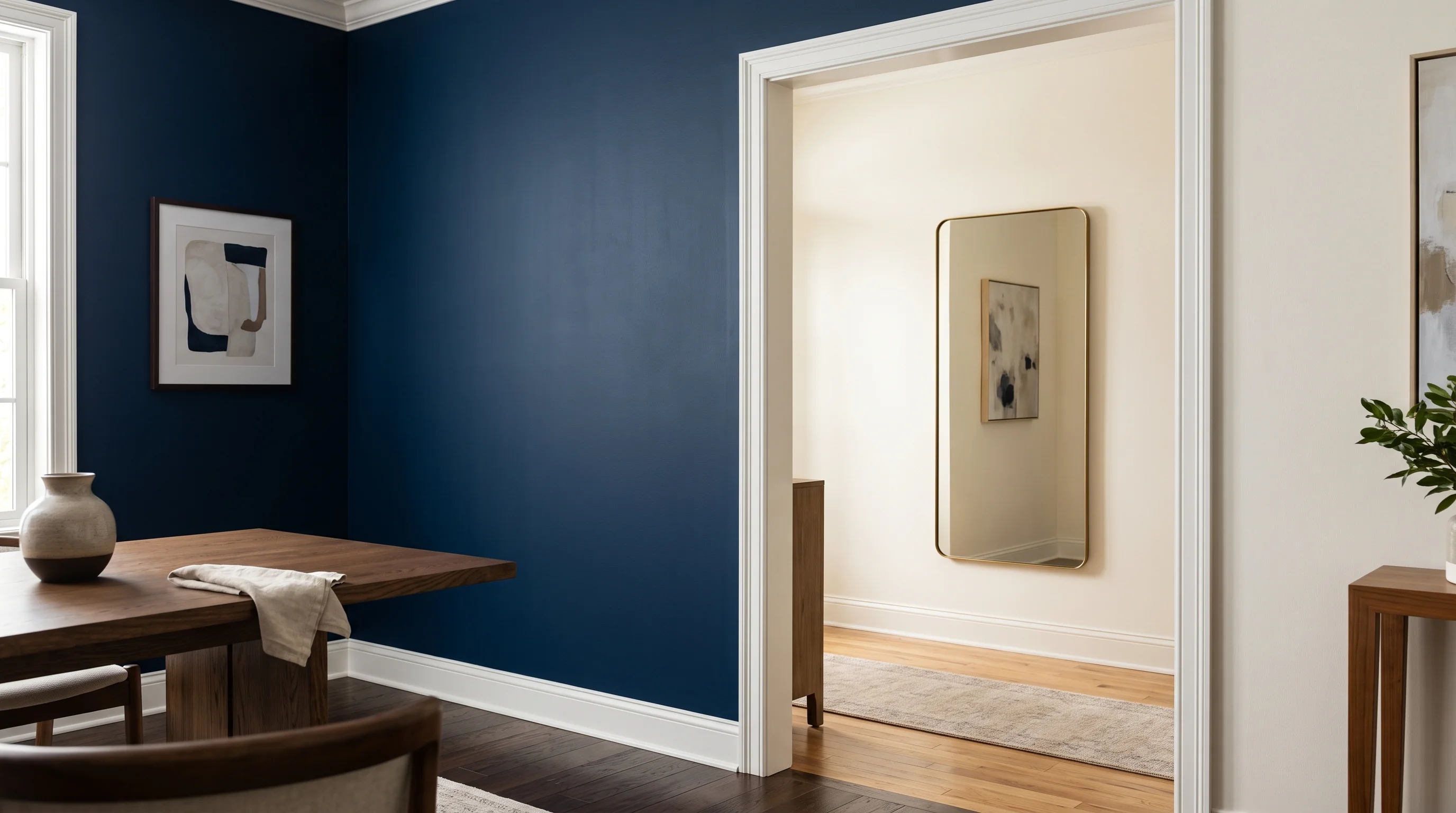
Essential Equipment and Materials
Roller and Brush Selection
Flat and eggshell behave differently on the roller and brush. For flat paint, a 3/8-inch to 1/2-inch nap works well on smooth to lightly textured surfaces; the higher nap holds more paint, which helps because flat formulations have a higher pigment load and can drag if sleeve coverage runs low. A shorter nap on smooth surfaces reduces stippling in the finished coat.
Eggshell often applies more smoothly but levels out differently. A 3/8-inch nap is standard on smooth walls. Because its slight sheen shows roller texture, finish each section with a light, back-rolled stroke to eliminate stipple marks before the paint sets, and cut in trim and corners with a quality angled sash brush that holds paint well without excessive drip.
Paint Selection and Benjamin Moore Formulations
The quality of the paint itself determines how well either finish performs over its lifetime. Lower-grade flat paints scrub poorly and cover less uniformly. Premium Benjamin Moore flat and eggshell formulations, such as Regal Select and Aura, use waterborne acrylic technology that delivers significantly better scrub resistance, hide, and color retention. In a flat finish, that upgrade meaningfully extends how long the surface holds up to light maintenance.
Benjamin Moore's Aura in eggshell is a strong specification for high-traffic walls because its color lock technology maintains depth through repeated cleaning cycles. For ceilings and low-traffic rooms, Waterborne Ceiling Paint or Aura in flat delivers a smooth, zero-sheen result with better coverage than standard formulations.
Other Materials You Will Need
- Painter's tape rated for clean removal on the surfaces you are taping
- Drop cloths for floors and furniture
- Primer appropriate to the substrate: PVA primer for new drywall, high-hide primer for dark colors or stain coverage, shellac-based primer for severe stains
- Sandpaper in 120 and 220 grit for surface preparation and between-coat smoothing
- Spackle or lightweight joint compound for wall repairs before painting
- Paint tray and liner, or a five-gallon bucket with a roller grid for larger areas
- Extension pole for ceilings and tall walls
- Cleaning rags and a bucket for cleanup
Preparation, Primer Selection, and Application Differences
Surface preparation matters for both finishes, but the stakes are higher with eggshell. Because it reflects a small amount of light, any unevenness in the substrate, unsanded spackle edges, visible seams, or poorly feathered patches shows more under the finished coat. Flat's light-scattering forgives minor surface variations; eggshell is less so.
Before applying eggshell, sand all repaired areas until each patch is flush with the wall and the texture matches, skim coat problem areas if necessary, and wipe the surface with a damp cloth to remove dust before priming. The same preparation applies for flat, but you have more margin if minor irregularities remain.
Primer selection should match your situation rather than defaulting to one product. New drywall needs a PVA primer before either finish to seal the paper face and prevent flashing. Previously painted walls in good condition often need no primer if you stay in the same color family, and switching from a dark color to a lighter one benefits from a high-hide primer either way. Spot-prime repaired areas before full-coat application, because unprimed spackle absorbs paint differently and will show as a dull spot, particularly under eggshell.
Drying time between coats is similar for both: one to two hours to touch-dry, four hours before recoating in standard indoor conditions. Humidity slows drying, so in high-moisture spaces allow more time and ensure ventilation. Applying a second coat too early traps solvent under the first coat and can lead to wrinkling, poor adhesion, or finish failure regardless of sheen level.
Performance in Different Environments and Climates
Indoor climate conditions affect how both finishes perform over their useful life. In humid environments such as kitchens, bathrooms, and coastal regions, flat paint absorbs airborne moisture and is more susceptible to mold and mildew growth within the film over time. Eggshell's denser, harder film resists moisture penetration and is the better specification there. Some manufacturers make moisture-resistant or bathroom-formulated flat paints, but a standard flat finish is not built for high-humidity exposure.
In dry climates, flat paint tends to be more stable because the absence of moisture cycling reduces expansion and contraction stress on the film. Eggshell performs well too, but its added film hardness is less critical when moisture is not a variable. In regions with significant seasonal thermal movement, both benefit from flexible acrylic formulations that accommodate minor substrate movement without cracking.
For interior walls in climate-controlled homes, environmental considerations are less dramatic than for exterior surfaces. The primary factor for most homeowners is moisture, specifically in bathrooms, kitchens, and laundry rooms, where eggshell is the more appropriate finish.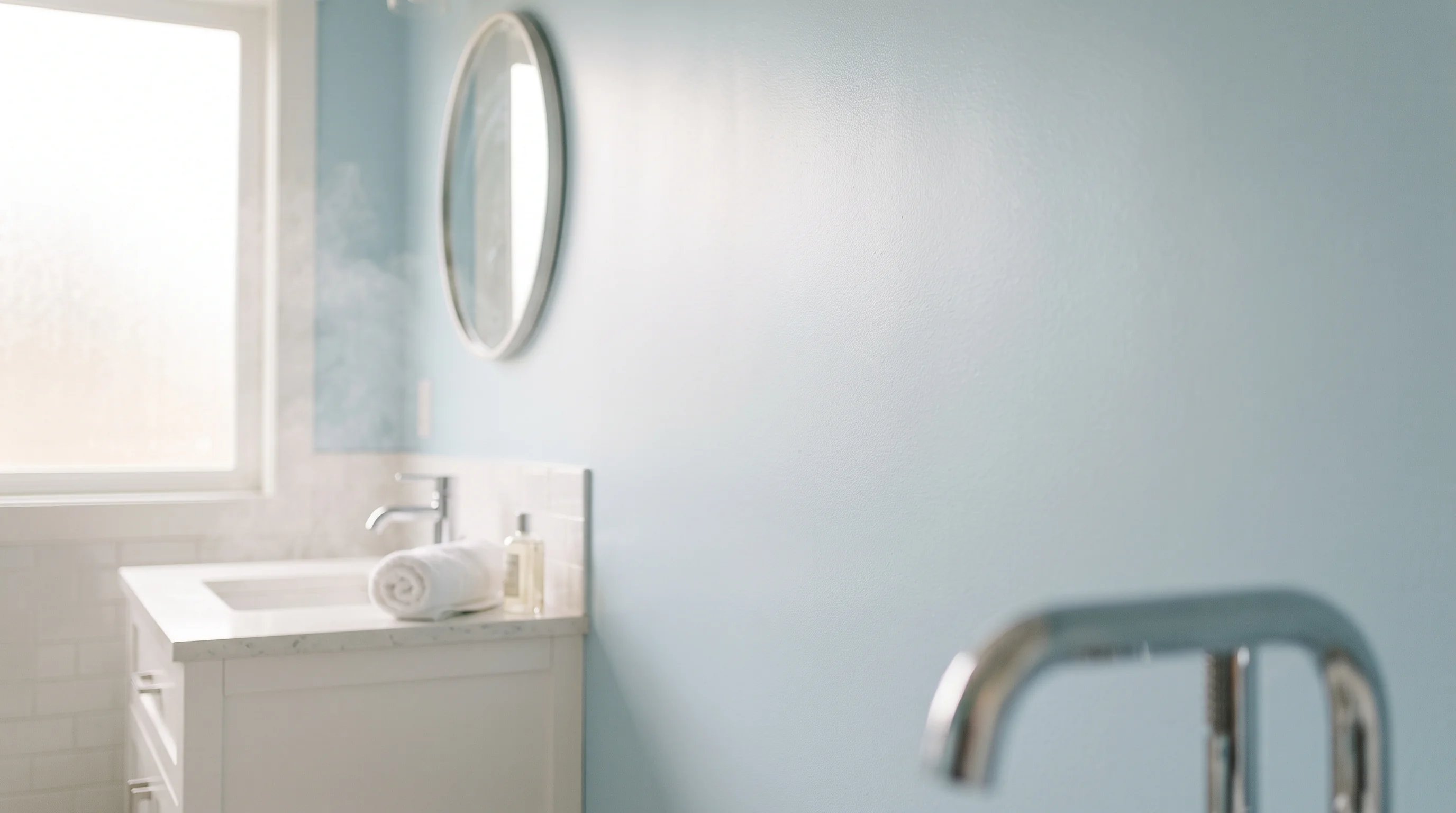
Long-Term Maintenance and Lifecycle Considerations
The choice has real economic implications over the life of a paint job. A flat finish in a high-traffic area may need a full repaint every three to five years because it cannot be maintained through cleaning: scuffs accumulate, touch-ups show, and the appearance degrades under contact. Eggshell in the same space might hold up for seven to ten years with periodic cleaning and minimal spot touch-up, depending on paint quality and daily wear.
In a low-traffic formal room, flat can last ten or more years because it never takes the cleaning and contact stress that shortens its life in active spaces. Using flat there and eggshell in hallways and living areas is the lifecycle-rational choice, which is why experienced painters specify finishes by room function rather than one finish throughout.
The maintenance labor difference also matters. Cleaning eggshell walls takes minutes and a damp cloth. Touching up flat walls means matching the paint batch, feathering to avoid sheen variation, and sometimes rolling a full wall to avoid a patchwork look. Over ten years of ownership, that asymmetry can be significant, particularly in rentals or high-activity family homes.
Professional Standards and Builder Practices
Do builders use flat or eggshell paint? Most production builders use flat on ceilings and eggshell on interior walls throughout new construction, and the rationale is practical on both counts. Flat on ceilings hides the seams, texture variations, and taping irregularities unavoidable in new construction without the cost of a skim coat. Eggshell on walls provides enough durability to survive move-in and the first year of occupancy without a repaint before handover. In lower-cost builds, flat throughout is common to reduce costs, with the understanding that buyers often repaint within a few years.
Custom builders and high-end projects more commonly specify eggshell or satin throughout, with flat reserved for ceilings only, reflecting the higher-quality substrate preparation those projects receive. In commercial construction, eggshell is the standard wall specification for offices, hotel rooms, and residential buildings, where staff need to clean walls regularly without repainting.
Understanding builder standards helps homeowners calibrate expectations for existing paint. If your home was built in the last twenty years and the walls look flat, they probably are, and any room where you want a more durable or washable finish will benefit from a full repaint in eggshell rather than a touch-up over the existing flat coat.
Flat vs. Eggshell: Making Your Choice
Most homes benefit from both finishes used in the right places rather than one throughout, and the decision comes down to a clear hierarchy of priorities per space.
Use flat paint when a smooth, non-reflective surface is the priority, when the room receives minimal contact, when the walls have imperfections that benefit from concealment, or when the space is a ceiling. Use eggshell when durability and cleanability matter, when the room gets regular use, when moisture is present, or when you want color to read with a slight richness and depth that flat does not provide.
A practical specification for most homes looks like this: flat on all ceilings, eggshell in hallways, living rooms, bedrooms, kitchens, bathrooms, and entryways, with rarely-touched formal spaces able to go flat on the walls as well. Trim and doors should step up to semi-gloss regardless of the wall finish, because they take direct contact.
Repainting over an existing eggshell coat with flat generally works after a light sand, and painting over flat with eggshell needs no special preparation beyond standard cleaning and priming for color changes. Applying eggshell over heavily soiled flat paint without cleaning and priming can create adhesion or appearance problems, so thorough preparation remains essential either direction.
Things to Consider Before You Start
- What is the condition of your walls? Flat paint is more forgiving of imperfections. Eggshell requires careful surface preparation to look right.
- How much physical contact do the walls get? Daily contact from family, guests, or tenants means eggshell is the practical choice.
- Is moisture a factor in the space? Kitchens, bathrooms, and basements belong in eggshell territory.
- How important is touch-up convenience to you? Flat touch-ups blend easily. Eggshell touch-ups can show variation if not applied carefully.
- Are you working with a dark or bold color? Flat can intensify dark colors in formal spaces. Eggshell adds subtle luminosity to lighter tones in active rooms.
- What is your realistic maintenance commitment? If you want to wipe walls without worrying about damaging the finish, eggshell is the right choice. If you are painting a ceiling or a rarely-touched accent wall, flat does the job well and costs nothing extra to maintain.
Once you have honest answers to those questions for each room, the finish decision generally makes itself. The homeowners who run into trouble are usually those who apply one finish throughout without accounting for how each space gets used.
Why Homeowners Bring in Ace Hardware Painting Services
Painting a room or a full home correctly involves more than choosing between flat and eggshell. Preparation, primer selection, application sequence, drying times, and paint quality all determine how the finished product looks and how long it holds up. Here is why homeowners bring our crews in rather than handling it themselves:
- We use premium Benjamin Moore paints and stains as our standard specification, so you get professional-grade coverage, washability, and color retention built into the project rather than having to source and pay for premium products separately.
- Color consultation and color samples are included with every project, which means finish selection and color decisions happen with professional guidance before a drop of paint goes on the wall.
- Our workmanship guarantee backs the finished result, giving you recourse if anything falls short of what was specified.
- Background-checked professional crews handle every project, so you are not opening your home to unknown workers.
- No sprayer, roller frames, extension poles, or specialty gear to rent, learn, and return. The crew arrives with everything the project requires.
- Our projects run on a predictable weekday timeline, so you know when the work starts and when your space is ready.
- Cleanup is included. Tape, drop cloths, paint cans, and debris leave with the crew.
- Ace Hardware Painting Services brings the service standard and reliability of the Ace Hardware name to your home project.
When you are ready to put the right finish in the right rooms, your local Ace Hardware Painting Services office can scope the project, walk through finish options, and schedule today.
Frequently Asked Questions
What is the main difference between flat and eggshell paint?
Flat paint has no measurable sheen and scatters light to hide wall imperfections. Eggshell has a low, soft sheen that reflects a small amount of light and produces a slightly richer appearance. Eggshell is significantly more durable and washable, making it the preferred finish for walls in active spaces. Flat is standard for ceilings and low-contact rooms where aesthetics outweigh cleanability.
Can you paint over flat paint with eggshell?
Yes, and it is straightforward. Clean the surface thoroughly, spot-prime any repaired areas, and apply eggshell directly over the existing flat coat. If you are changing colors significantly, a full prime coat improves coverage and helps the eggshell sheen appear even across the wall. No special preparation beyond standard cleaning and priming is required for the transition.
Is eggshell paint good for ceilings?
Flat paint is the standard choice for ceilings. Eggshell on a ceiling reflects light in a way that makes seams, taping lines, and surface irregularities more visible than they would be under flat. The reflectivity that helps eggshell perform on walls works against it on horizontal overhead surfaces. Reserve eggshell for walls and use flat specifically on ceilings for the cleanest result.
How does humidity affect flat versus eggshell paint?
Eggshell holds up better in humid environments than flat. Its denser, harder film is less porous and more resistant to moisture penetration. Flat paint in high-humidity spaces like bathrooms and kitchens is more susceptible to mildew growth within the film and degrades faster under repeated moisture exposure. Specify eggshell in any room where steam, condensation, or splashing is regular.
Why does eggshell paint show more imperfections than flat?
Eggshell reflects light more directionally than flat, so it does not scatter light uniformly across the wall. Where there is a raised edge on a spackle repair, an uneven patch of texture, or an unfilled dent, that slight reflectivity concentrates light just enough to cast a shadow or create a highlight. Thorough surface preparation, including sanding, feathering, and priming repairs before applying eggshell, prevents most visibility issues.
How long does eggshell paint last compared to flat?
In active spaces, eggshell typically holds its appearance for seven to ten years with periodic cleaning. Flat paint in the same conditions may need a full repaint in three to five years because it cannot be cleaned without damaging the surface. In low-contact rooms where neither finish takes significant wear, both can last ten or more years. Paint quality and application technique affect longevity as much as finish choice does.