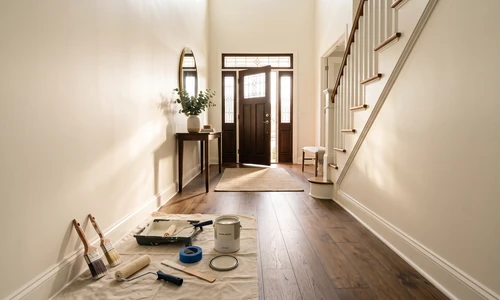
Bedroom Paint Ideas
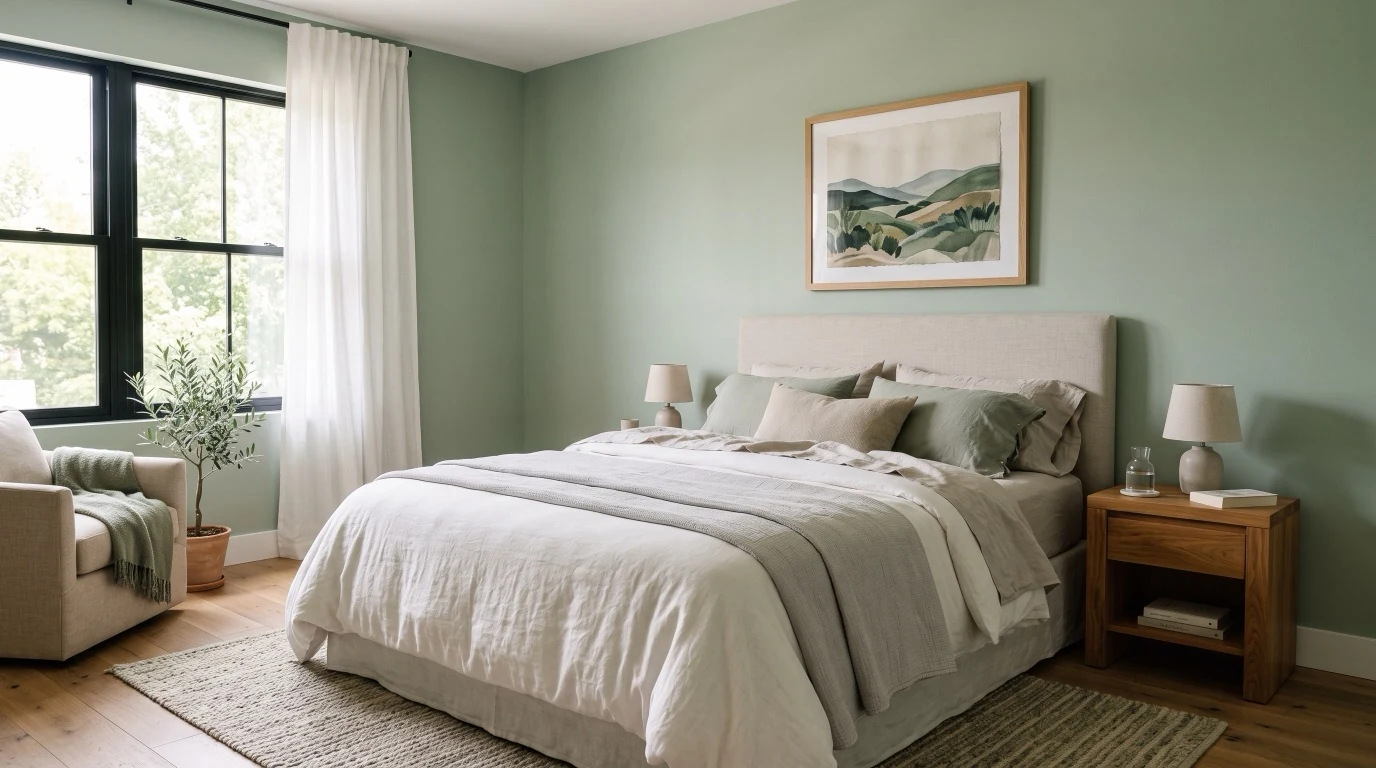
The bedroom paint color you choose is the first thing you see in the morning and the last thing you see at night, which makes it one of the more personal decisions in the whole house. It sets the mood of the room long before the furniture or the art does, and it quietly shapes how the space feels every single day. This guide walks through proven color palettes, accent wall ideas, finish recommendations, and the size-and-style considerations that help you land on a color you will still love a year from now, whether you are refreshing a single wall or repainting the entire room.
So what are the best bedroom paint ideas? The strongest choices come from matching the color to how the room is used and how the light behaves in it, rather than picking a shade in the store and hoping it works at home. Restful neutrals, soft blues and greens, warm earth tones, deep saturated colors, and romantic blush tones all earn their place, but the right pick depends on your room size, your natural light, and the mood you want to wake up to. Get those three factors aligned and almost any color family can work.
If you would rather hand the decision to someone who does this every day, our bedroom painting work covers color guidance through final coat. Ace Hardware Painting Services can help you narrow the options, sample them on your actual walls, and deliver a clean, even finish, whether you tackle the prep yourself first or bring us in from the very start of the project.
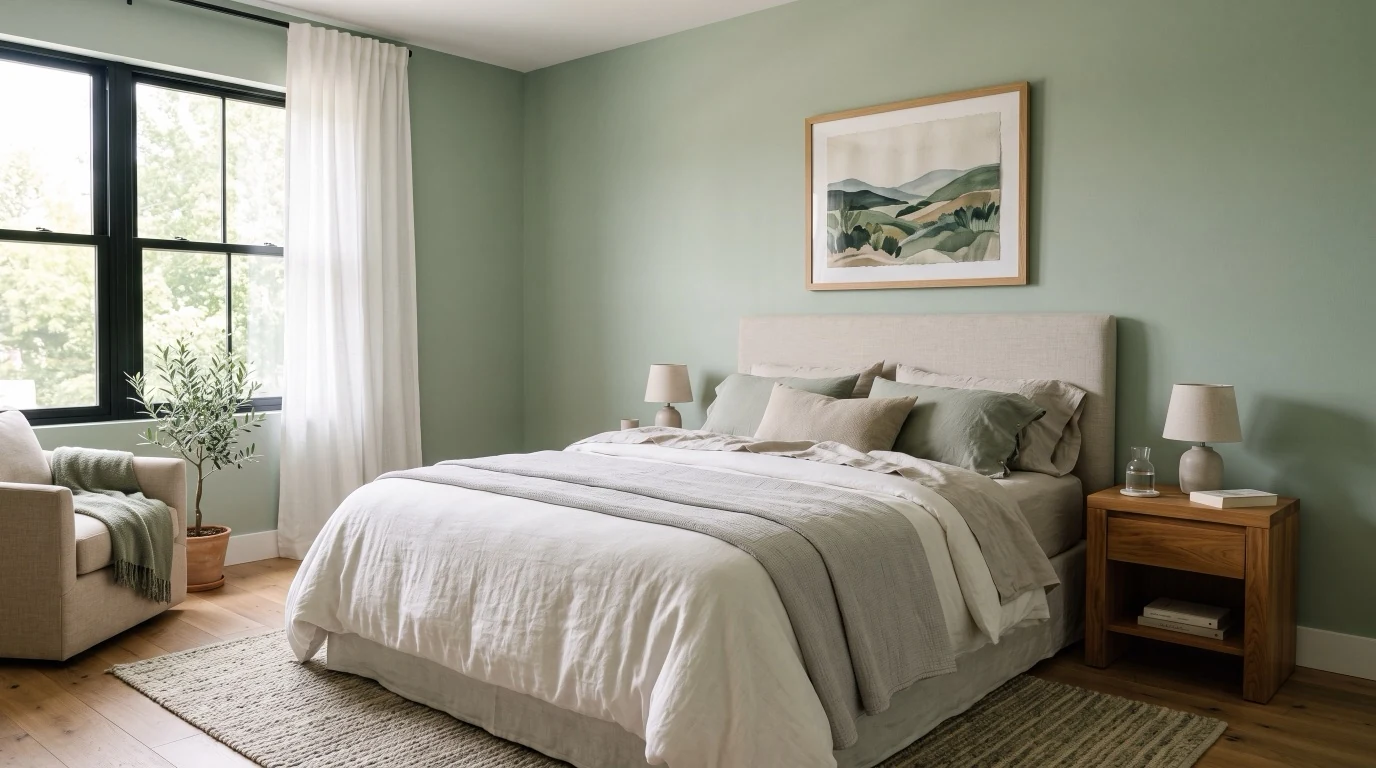
How to Choose the Right Bedroom Paint Color
The best bedroom paint color depends on more than personal preference. Natural light, room size, existing furnishings, and the mood you want to set all pull the decision in different directions, and the winning color usually sits where those factors agree. Run through these five checks before you commit to a can of paint.
- Natural light: north-facing rooms read cooler and can flatten warm colors, while south-facing rooms warm everything up and can push pale shades toward yellow. East and west light shifts dramatically between morning and evening.
- Room size: lighter colors visually expand small rooms, and deeper tones add intimacy and weight to large ones. A color that feels cozy in a big room can feel closed-in in a small one.
- Existing furnishings: bedding, flooring, and wood tones are already in the room, so let them guide the palette instead of fighting them. Cool floors lean toward cool wall colors, and warm woods sit better with warm neutrals.
- Desired mood: decide up front whether you want the space to feel calming, romantic, energizing, or sophisticated, since each of those points to a different family of colors before you narrow the exact shade.
- Sleep environment: overly stimulating colors can quietly wear on rest quality over time, so a bedroom is rarely the place for the boldest, most saturated shade in the deck.
One more factor sits underneath all five: undertone. Two grays that look identical on the chip can read blue in one room and purple in another once they hit your light and your furnishings. Undertone is why the testing step near the end of this guide matters so much, and why professional color guidance can save a repaint.
Popular Bedroom Paint Color Categories
Grouping colors by mood and tone makes the decision far easier than scrolling through a paint deck one chip at a time. Most bedroom palettes fall into one of five broad families, and each has its own personality and best-use scenario. Find the family that fits the feeling you are after, then fine-tune the exact shade from there.
Soft Neutrals: Warm Whites, Creams, and Greiges
Neutrals remain the most popular bedroom choice because they pair with almost any decor style, photograph well, and create a calm, restful base that never competes for attention. They are also the most forgiving choice if your furnishings change over time.
- Warm whites: soft and inviting, and adaptable to traditional or modern rooms alike without feeling stark.
- Creamy off-whites: add quiet warmth without competing with bedding or art.
- Greige, the gray-beige blend: modern and sophisticated, and it works with nearly every wood tone in the room.
- Recommended for: small bedrooms, north-facing rooms, and homeowners planning to sell within five years who want broad appeal.
Calming Blues and Soft Greens
Cool tones are consistently cited in both interior design and sleep research as the most restful bedroom choices, which is why they show up again and again in rooms built for real rest. They read as fresh and quiet at the same time.
- Pale sky blue: relaxing without feeling cold, and a strong match for east-facing rooms that get soft morning light.
- Sage and eucalyptus greens: bring nature indoors with a timeless, easy-to-live-with feel that pairs with almost any wood or metal.
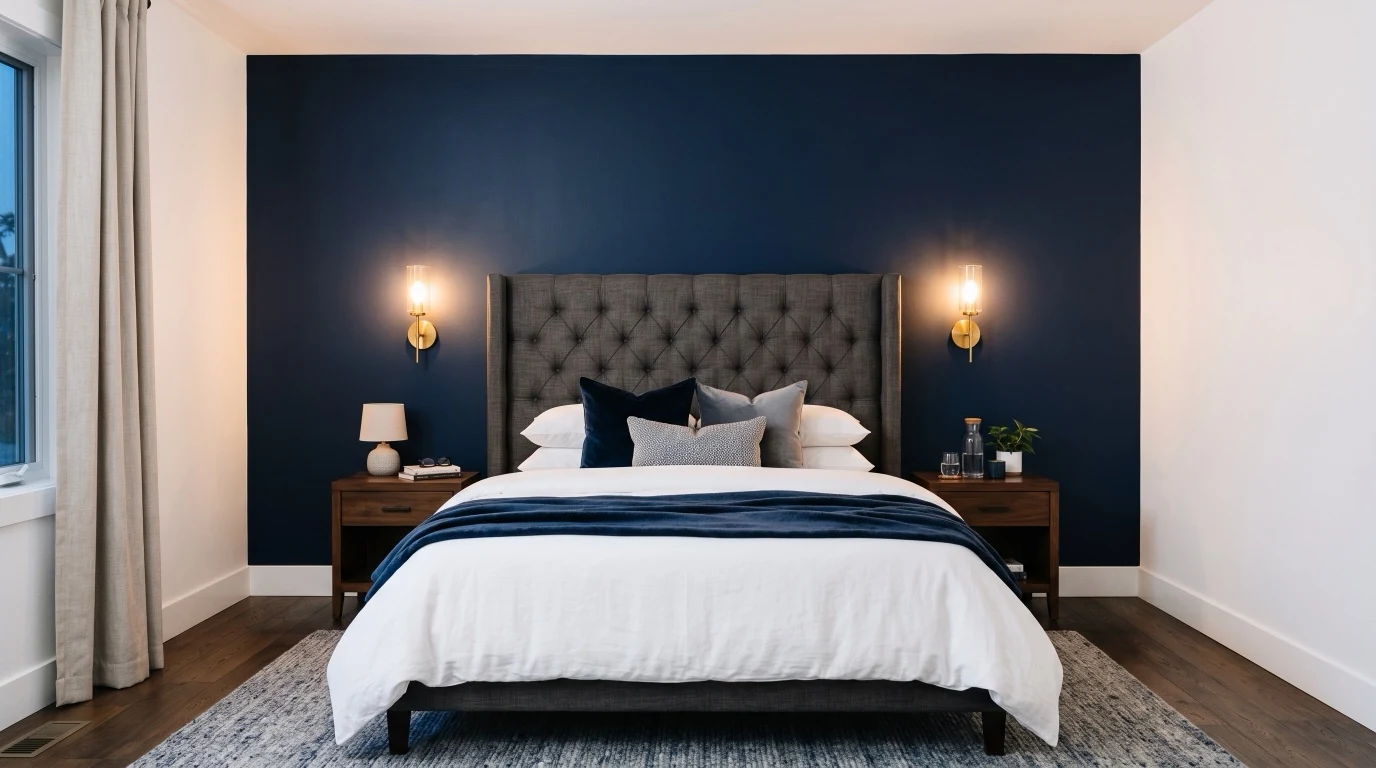
- Deep navy: dramatic and modern, and especially effective as an accent or full feature wall behind the bed.
- Recommended for: primary bedrooms, guest rooms, and anyone prioritizing a genuinely restful atmosphere over a bold statement.
Warm Earth Tones
Earthy palettes have surged in popularity, replacing the all-gray trend of the 2010s with warmer, more lived-in choices that feel grounded rather than cold. They flatter natural light and age well.
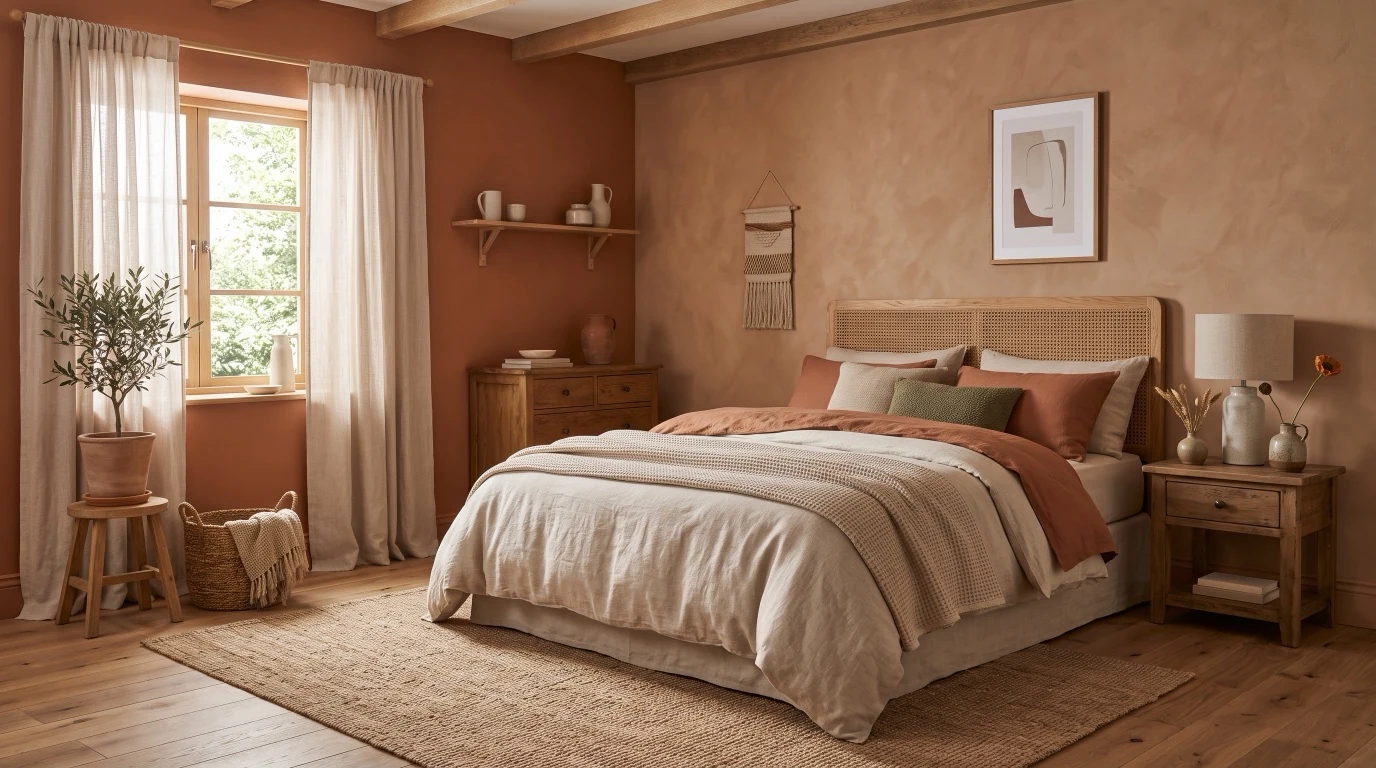
- Terracotta and muted clay: warm and grounded, and they pair beautifully with natural textures like jute, linen, and wood.
- Soft taupe and mushroom: modern alternatives to traditional beige that read as intentional rather than dated.
- Camel and warm tan: sophisticated without tipping into a builder-beige look.
- Recommended for: bedrooms with wood furniture, traditional decor, or southwest-influenced styling.
Moody, Saturated Colors
Deeper, richer colors have become a confident choice for primary bedrooms, turning the room into an intimate, cocoon-like retreat rather than a bright open box. They demand good lighting to look their best.
- Charcoal and soft black: luxurious and modern, especially when paired with warm lighting and metallic accents.
- Forest green: rich and traditional, and excellent for a dramatic feature wall or a fully color-drenched room.
- Deep plum and aubergine: sophisticated alternatives to standard neutrals for anyone who wants real color with restraint.
- Recommended for: large primary bedrooms with good natural light and higher ceilings that can carry the depth without feeling heavy.
Soft Romantic Pinks and Blush Tones
Modern blush palettes have evolved well beyond the “little girl” pink of the past. Sophisticated dusty pinks now appear in some of the most-pinned bedrooms on design platforms, often read as a warm neutral rather than a color.
- Dusty rose and blush: warm, flattering, and surprisingly versatile across both traditional and modern styles.
- Pale peach: soft and modern, particularly with brass or warm metallic accents.
- Recommended for: guest bedrooms and primary bedrooms with traditional or feminine decor.
Bedroom Paint Ideas by Room Type
The right color depends partly on the bedroom’s purpose. A primary suite, a small guest room, and a kid’s bedroom each carry different demands, and a color that sings in one can fall flat in another. Match the approach to the room, not just to the trend.
Master Bedroom Paint Ideas
Master bedroom paint ideas tend to reward a little boldness, because this is the one room built entirely around rest and retreat.
- Lean into deeper, moodier colors that create an intimate, retreat-like feel appropriate to a room built for rest.
- Consider an accent wall behind the bed for visual interest without committing the whole room to a bold color.
- Coordinate with the adjoining bathroom and walk-in closet if either is visible from the main room, so the palette reads as one connected space rather than three competing ones.
Small Bedroom Paint Ideas
Small bedroom paint ideas are mostly about making the room feel larger than its square footage.
- Light, cool tones make small bedrooms feel larger and more open, which is why they remain the safe default here.
- Painting the ceiling the same color as the walls visually expands tight spaces by blurring the line where the wall stops and the ceiling begins.
- Avoid high-contrast accent walls in very small rooms, since sharp contrast can chop up the space and make it feel smaller than it is.
Guest Bedroom Paint Ideas
- Stick with warm, welcoming neutrals or soft, calming tones that work for a wide range of visitors.
- Avoid highly personal color choices, since the goal is comfort for whoever happens to be staying rather than a statement.
- Consider a subtle accent wall to give the room a memorable, designed feel without overpersonalizing it.
Kids’ and Teen Bedroom Paint Ideas
- Soft pastels and muted brights hold up better than primary colors for long-term appeal as the child grows.
- Consider an easily changeable accent wall for personality that will not outgrow the child in a year or two.
- Choose washable, low-VOC paint formulas for both safety and durability in a room that takes a lot of daily wear.
Accent Wall Ideas for Bedrooms
A single accent wall is the easiest way to add personality without committing to a bold color across the whole room. It concentrates the color where it has the most impact and keeps the rest of the space light and flexible, which is why it remains one of the most requested bedroom accent wall ideas.
- Behind the headboard: the most common and most impactful placement, since it frames the bed and anchors the entire room.
- Tonal accent walls: a deeper shade of the main wall color for a subtle, layered effect that reads as sophisticated rather than loud.
- Bold contrast walls: high-impact for primary bedrooms where the surrounding walls stay neutral and let the accent do the work.
- Painted geometric or arch shapes: a modern alternative to a traditional full-wall accent, and a great way to add architecture to a plain room.
Choosing the Right Paint Finish for Bedrooms
Finish, or sheen, matters just as much as color in a bedroom. The wrong sheen can highlight every wall imperfection or throw unwanted glare from bedside lighting, so match the finish to the wall condition and the way the room is used. In a room where you spend hours lying down and looking at the walls, glare is more noticeable than almost anywhere else in the house.
- Matte or flat: hides wall imperfections and is ideal for older homes and bedrooms with textured walls.
- Eggshell: a slight sheen that is more washable than matte, and the most popular all-around bedroom finish for good reason.
- Satin: easy to clean and a smart pick for kids’ rooms and higher-traffic bedrooms where walls get touched.
- Semi-gloss: reserve this for trim, doors, and baseboards rather than the walls themselves, where its shine adds a crisp finishing line.
Bedroom Paint Color Trends to Watch
Bedroom color trends have shifted noticeably in recent years, moving away from cool grays toward warmer, more saturated palettes. These are the directions worth watching if you want a room that feels current without chasing a fad that dates quickly.
- Warm earth tones replacing the all-gray look that dominated the 2010s.
- Deep, saturated greens and navies showing up on primary bedroom accent walls.
- Color drenching, which means painting walls, trim, and ceiling in the same hue for an enveloping, cocooning effect.
- Soft, romantic pinks and blush tones making a sophisticated comeback as warm neutrals.
Tips for Testing Bedroom Paint Colors Before Committing
Testing paint colors in the actual room is the single most important step, and it is the one most people skip. Paint chips and online photos rarely show how a color reads in your real light, against your real furniture, at the times of day you actually use the room. If you are also trying to plan quantities before you shop, our guide on how much paint do I need walks through the math so you buy the right amount once.
- Paint large sample boards, at least two feet by two feet, rather than small swatches directly on the wall where the old color bleeds into your read.
- View the color at different times of day, including morning, midday, and under bedside lighting at night, since artificial light changes everything.
- Test the color against your bedding, curtains, and major furniture pieces, not on a bare wall alone.
- Live with the sample for at least three to five days before making a final decision, so the color has time to either grow on you or wear thin.
If you want a shortcut through the guesswork, a professional color consultation narrows dozens of options down to a confident short list and shows you how each reads in your specific room and light.
Bring Your Bedroom Vision to Life With Ace Hardware Painting Services
Once you have a direction, the finish is what separates a room you like from a room you love. Our crews bring the Ace Helpful standard home with premium Benjamin Moore paints and stains as part of the standard scope, color consultation and physical color samples included, and a clean, careful result with cleanup handled before we leave. Every project is backed by a strong workmanship guarantee and staffed by background-checked professional crews working on a predictable weekday timeline, so a bedroom refresh does not take over your life or your weekend.
Whether the project is a single accent wall behind the bed or a full interior painting services refresh across several rooms, the local team can help you choose the color, recommend the right finish, and deliver it right the first time. Find your local Ace Hardware Painting Services office to get an estimate and get started.
Frequently Asked Questions
What is the best color to paint a bedroom?
There is no single best color, but the most reliable choices are soft, restful tones matched to the room’s light and size. Warm neutrals, calming blues and greens, and warm earth tones consistently perform well because they support rest and pair easily with most furnishings and wood tones.
What are the most calming bedroom paint colors?
Cool tones are the most calming bedroom paint colors, especially pale sky blue, sage and eucalyptus greens, and soft greige. Design and sleep research repeatedly point to these muted, low-saturation shades because they lower visual stimulation and help the room feel quiet and relaxed at the end of the day.
Should a small bedroom be painted light or dark?
Small bedrooms usually feel larger in light, cool tones, which reflect more light and open up the space. Painting the ceiling the same light color as the walls expands the room further. A dark color can work in a small bedroom, but it reads as cozy and intimate rather than spacious.
What paint finish is best for a bedroom?
Eggshell is the most popular bedroom finish because it offers a slight, easy-to-clean sheen without highlighting wall flaws. Choose matte or flat for older or textured walls where hiding imperfections matters most, and reserve semi-gloss for trim, doors, and baseboards rather than the walls.
Is it okay to paint a bedroom a dark color?
Yes. Deep, saturated colors like charcoal, forest green, and navy have become a confident choice for primary bedrooms, creating an intimate, cocoon-like retreat. Dark colors work best in larger rooms with good natural light and warm lighting, and they pair well with an accent wall or a fully color-drenched approach.
How many colors should a bedroom have?
Most bedrooms look best with one main wall color plus a coordinating trim color, and optionally one accent shade for a feature wall. Keeping the palette to two or three related colors reads as intentional and calm, while more than that tends to make the room feel busy rather than restful.