
Can You Paint Exterior Brick?
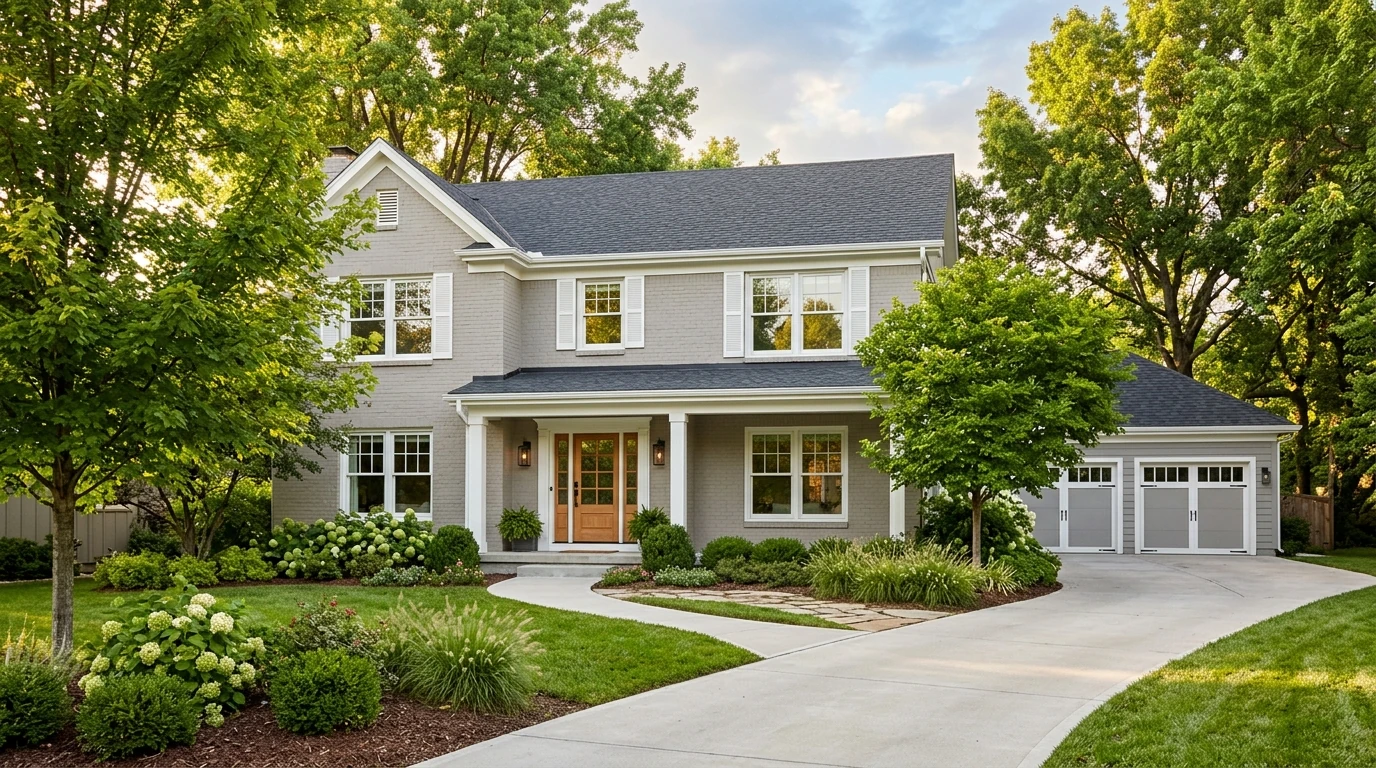
Yes, you can paint exterior brick, and for many homes it delivers a dramatic, lasting refresh. That said, it is one of the more permanent decisions you can make about your exterior, and homeowners in Lenexa, KS deserve a clear picture of what the project actually involves before picking up a brush. Brick behaves differently than wood siding or fiber cement. It is porous, it breathes, and it has a relationship with moisture that standard exterior paint can disrupt if the wrong product or process is used. Get the preparation and product selection right, and a painted brick exterior can look great for a decade or more.
Evaluating Your Brick for Painting Suitability
Before anything else, take a close look at your brick. Not every surface is ready to paint, and a few warning signs are worth catching early because they affect whether the project will succeed long-term.
Older brick, especially masonry laid before the mid-twentieth century, tends to be softer and more porous than modern brick. That porosity was intentional. It helped the wall absorb and release moisture as part of how the whole assembly breathed. Coating that type of brick with a film-forming paint can trap moisture inside the wall, which eventually causes spalling, white chalky deposits called efflorescence, and mortar deterioration.
Walk the surface and check for these conditions before you commit:
- White chalky deposits on the brick face, a sign that moisture is already moving through the wall.
- Flaking or crumbling brick faces that show the surface is already breaking down.
- Mortar joints with visible gaps, cracks, or crumbling that need repair before any coating goes on.
- Water that beads on the surface when you sprinkle it, which points to a prior sealer that will block adhesion.
- Rust stains, mold patches, or mineral discoloration that require treatment before painting.
If you are finding active moisture problems or deteriorating brick, those need to be resolved first. Painting over them will lock the problems in rather than solve them. If you want a professional eye on what your specific surface requires, our full home exterior painting team can walk through an assessment with you.
Understanding the Pros and Cons of Painting Exterior Brick
Painting exterior brick has genuine appeal. A freshly painted surface can unify mismatched brick tones, cover years of weathering and staining, and give your home a clean, modern look that natural brick just cannot match for color flexibility. For homes where the original brick has faded unevenly or carries persistent discoloration, paint is one of the most effective ways to get a consistent, intentional appearance.
The tradeoffs are real, though, and worth understanding before you decide.
- Pro: Major curb appeal improvement with a wide range of color options.
- Pro: Covers cosmetic damage, uneven weathering, and persistent staining.
- Con: Largely permanent. Removing paint from brick is labor-intensive and can still leave marks on the original surface.
- Con: Moisture trapping is a real risk if the wrong product is used or if existing moisture issues are not resolved first.
- Con: Painted brick needs recoating every five to ten years, so you are signing up for ongoing maintenance.
- Con: On newer construction, painting brick can sometimes affect masonry warranties.
The clearest path forward is this: if your brick is structurally sound, there are no active moisture issues, and you are comfortable with the permanence of the decision, painting is a solid choice. If any of those conditions are uncertain, the alternative solutions covered later in this post are worth a serious look before you commit.
Climate Considerations for Brick Painting Success
Where you live affects how painted brick holds up, and the Kansas City metro area has conditions that are worth thinking through specifically. The region cycles through cold winters with freeze-thaw swings and humid summers that push moisture into masonry surfaces.
Freeze-thaw cycling is one of the bigger threats to painted brick. When water gets into micro-cracks or porous areas in the brick and then freezes, it expands. If a paint film is trapping that moisture rather than letting it escape, the pressure can push the coating right off the brick face. That is why breathable masonry paint formulations matter so much for homes in the Lenexa, KS area.
Timing the application also makes a real difference. Masonry paint should not go on when temperatures are below 50 degrees Fahrenheit. The brick itself needs to be fully dry, which usually means waiting 24 to 48 hours after any rain. High humidity during application slows cure times and can trap moisture under the coating before it sets.
Late spring through early fall is generally the most reliable window for exterior brick painting in this region. Midsummer work during extreme heat requires care too, since brick surfaces in direct sun can get hot enough that paint dries too fast and adhesion suffers.
Essential Paint and Primer Requirements for Masonry
Standard exterior paint formulated for wood siding will not hold up on brick. Brick is highly alkaline, and that alkalinity breaks down conventional paint binders over time, leading to chalking, peeling, and adhesion failure. Masonry-specific primers contain alkali-resistant resins that bond with the brick and block the pH from attacking the topcoat. Skipping a dedicated masonry primer is the single most common reason painted brick starts failing within a few years.
For the topcoat, elastomeric masonry paint is one of the most reliable options for exterior brick. It stays flexible after it cures, which means it can bridge hairline cracks and handle the slight movement that happens in masonry walls as temperatures change. Breathable elastomeric formulations also let moisture vapor pass through the film, which addresses the moisture trapping concern that comes up with brick painting.
Flat or low-sheen finishes are the standard recommendation for exterior brick. Higher-gloss finishes highlight every texture irregularity in the surface and do not add meaningful durability on masonry. A flat masonry topcoat also tends to look more natural against the brick profile.
Here is what your product lineup should include:
- Alkali-resistant masonry primer rated for exterior use.
- Elastomeric or 100% acrylic masonry topcoat rated for exterior exposure.
- A breathable formulation that allows moisture vapor to move through the wall.
- Products rated for the temperature range where you will be applying them.
- Mildew-resistant formula for any surfaces that stay shaded or face north.
Complete Preparation Process for Painting Exterior Brick
Preparation is where painted brick projects succeed or fall short. Brick prep is more involved than getting wood siding ready to paint, and anything skipped here tends to show up as peeling or adhesion failure down the road.
Pressure Washing and Deep Cleaning Techniques
The brick surface needs to be clean of dirt, mold, mildew, efflorescence, and any prior sealers before paint will bond properly. Pressure washing is the right starting point, using a medium-pressure setting that cleans thoroughly without damaging mortar joints or softer brick faces. If you have mold or mildew present, apply a masonry cleaner before washing and let it dwell according to the product instructions.
After washing, give the brick time to dry completely. That typically means 24 to 72 hours depending on conditions. North-facing surfaces or shaded areas that do not get much direct sun may need longer. If you want to confirm the brick is ready, tape a piece of plastic sheeting over the surface overnight. Condensation on the underside means it is still holding moisture.
Efflorescence needs to come off mechanically with a stiff brush or a dedicated efflorescence remover before washing. Painting over it will not seal it in place. Those mineral deposits will keep migrating and eventually push the paint off the surface from underneath.
Mortar Joint Repair and Caulking
Any damaged mortar joints need attention before primer goes on. Voids and cracks in the mortar let water into the wall, and painting over them just creates a spot where the coating will eventually crack and peel as moisture keeps moving beneath it.
Tuckpointing with a compatible mortar mix is the right repair method for deteriorated joints. Try to match the original mortar composition as closely as you can. Using a modern high-Portland-content mortar to repair older soft-lime mortar walls can create movement differences at the joint line. For significant mortar repair, it is worth having a masonry professional assess what is needed before you move on to painting.
Where brick meets other materials at windows, doors, or utility penetrations, use a paintable, flexible sealant that is compatible with masonry. Standard painter's caulk is not the right choice for exterior masonry transitions. Silicone-modified acrylic or polyurethane sealants give you the durability and flexibility those joints need.
Application Process and Timeline Expectations
Once preparation is done, the painting process itself is straightforward, but the timeline is longer than most people expect. Each phase needs time, and rushing a coat shortens how long the whole job holds up.
Start with primer. Work it in by brush or roller so it penetrates the pores and texture of the brick rather than just sitting on top. If you are spraying primer, back-roll it to make sure it gets into the irregular surface. Most masonry primers need four to eight hours of dry time before the topcoat goes on.
Plan on two coats of topcoat for full, even coverage. Brick absorbs a lot, and a single coat almost always leaves thin spots, especially on textured or older masonry. Give the first coat a full 24 hours before applying the second.
Here is what a realistic timeline looks like for an average single-story brick exterior:
- Cleaning and pressure washing: one day, then 24 to 72 hours of drying time.
- Mortar and crack repair: one to two days, plus cure time before priming.
- Primer coat: one day of application, four to eight hours of dry time.
- First topcoat: one day of application, 24 hours before the second coat.
- Second topcoat: one day of application, then 48 to 72 hours before the surface handles normal contact.
Start to finish, most single-family homes take five to ten days when you account for all the drying and cure windows. Multi-story homes or those with significant mortar repair will take longer.
Long-term Maintenance and Durability Expectations
Paint on exterior brick does not last quite as long as paint on smooth surfaces. A well-applied exterior masonry coating typically holds its appearance for seven to ten years before a full recoat makes sense. Surfaces with heavy freeze-thaw cycling, a lot of direct sun, or persistent moisture on north-facing walls may land closer to five to seven years.
A quick annual walk-around is the most effective way to stay ahead of problems. Look for peeling or bubbling paint, which means moisture has gotten under the coating somewhere. Hairline cracks at mortar joints are normal and should be touched up with caulk before water gets into the gap and causes a bigger failure. Any mold or mildew showing up on the surface should be cleaned promptly so it does not spread beneath the paint film.
When it is time to recoat, you do not need to strip the existing paint if it is still adhering well. A thorough cleaning, spot priming of any bare areas, and two fresh coats of masonry topcoat will restore the look and protection. If the existing coating is peeling in large sections, a more thorough stripping and full recoat will be the right path.
Alternative Solutions to Painting Exterior Brick
If you want to change the look of your brick without committing to a full paint coating, a few alternatives are worth knowing about. Each one achieves a different visual result and carries different long-term implications.
Limewash is one of the most popular options. It is a mineral-based coating made from slaked lime that soaks into the brick surface rather than forming a film on top. Because it penetrates rather than coats, moisture can still move through the wall the way it was designed to. Limewash also weathers naturally over time, softening and developing a patina that many homeowners genuinely love. It is easier to touch up or lighten than conventional paint, which makes it a lower-commitment path to a transformed look.
Brick stain works similarly. Masonry stains penetrate the surface and bond chemically with the silica in the brick, giving you a consistent color change without the peeling or recoating cycle that a film-forming paint requires. Stain is more permanent than limewash but less permanent than paint, and it keeps the brick's natural breathability intact.
German smear, or mortar wash, involves applying a thin layer of mortar and wiping most of it away while it is still wet. The result is a textured, whitewashed look that uses masonry materials rather than paint. It permanently alters the surface the same way paint does, but some homeowners prefer it for how it interacts with the brick substrate.
The right choice depends on the look you are going for, your brick's current condition, and how much ongoing maintenance you want to take on. Our exterior brick painting team can walk you through how each of these options would work on your specific surface.
Why Choose Westlake Ace Hardware Painting Services Kansas City Metro
Painting exterior brick is one of those projects where the details really matter, and having a crew that knows masonry makes the process a lot less stressful. Westlake Ace Hardware Painting Services Kansas City Metro works with homeowners across Lenexa, KS and the surrounding metro to get exterior brick projects done right from the first prep step through the final coat. Our crews are background-checked W-2 employees, so you know exactly who is showing up at your home. We work with Benjamin Moore products, which include masonry-rated primers and topcoats built to hold up through the freeze-thaw cycles and humidity this region brings. Every residential project includes color consultation and physical color samples so you can see how a color reads on your actual brick before anything is committed. And our workmanship guarantee means we stand behind the quality of the application. If you are weighing whether to paint, limewash, or stain your brick exterior, we are happy to help you think it through and put together a plan that fits your home. Get an Estimate from Westlake Ace Hardware Painting Services Kansas City Metro to get started.
FAQ
Is painting exterior brick a permanent decision?
For the most part, yes. Removing paint from brick is possible, but it involves chemical strippers, careful pressure washing, and sometimes mechanical abrasion, and the original brick may still show some staining or texture differences afterward. Most homeowners go into this knowing it is a long-term commitment. If you want something more reversible, limewash or brick stain are worth considering first.
What kind of paint do you use on exterior brick?
Exterior brick needs a masonry-specific alkali-resistant primer and a masonry-rated topcoat, typically an elastomeric or 100% acrylic masonry paint. Standard exterior latex or oil-based paints meant for wood or siding will not bond reliably with brick and break down over time because of the high alkalinity in masonry. Breathable formulations are especially important because they let moisture vapor move through the wall rather than getting trapped beneath the coating.
How long does paint last on exterior brick?
A well-prepped and properly applied exterior masonry coating typically looks good for seven to ten years before a full recoat makes sense. Surfaces that deal with heavy freeze-thaw cycling or persistent moisture may be closer to five to seven years. Staying on top of annual touch-ups at mortar joints and cleaning any mold promptly will help you get the most out of the coating before the next full maintenance cycle.
What are the signs that brick should not be painted?
Active efflorescence, spalling or flaking brick faces, significant mortar deterioration, and any evidence of ongoing moisture infiltration are all signs that the underlying conditions need to be resolved before painting. Soft older brick that predates modern manufacturing is also a higher-risk candidate because its porosity played a real role in how the wall managed moisture. A surface assessment before you start is the most suitable way to catch these issues before any product goes on the wall.
How many coats of paint does exterior brick need?
Most exterior brick surfaces need a masonry primer coat followed by two full topcoats for uniform, durable coverage. Brick absorbs a lot, and a single topcoat almost always leaves thin spots on textured or older masonry. Each coat needs adequate dry time before the next one goes on, typically at least 24 hours between topcoats under normal conditions, and longer when humidity is elevated or temperatures are on the lower end of the application range.