
Why Does Wood Siding Need Repainting?
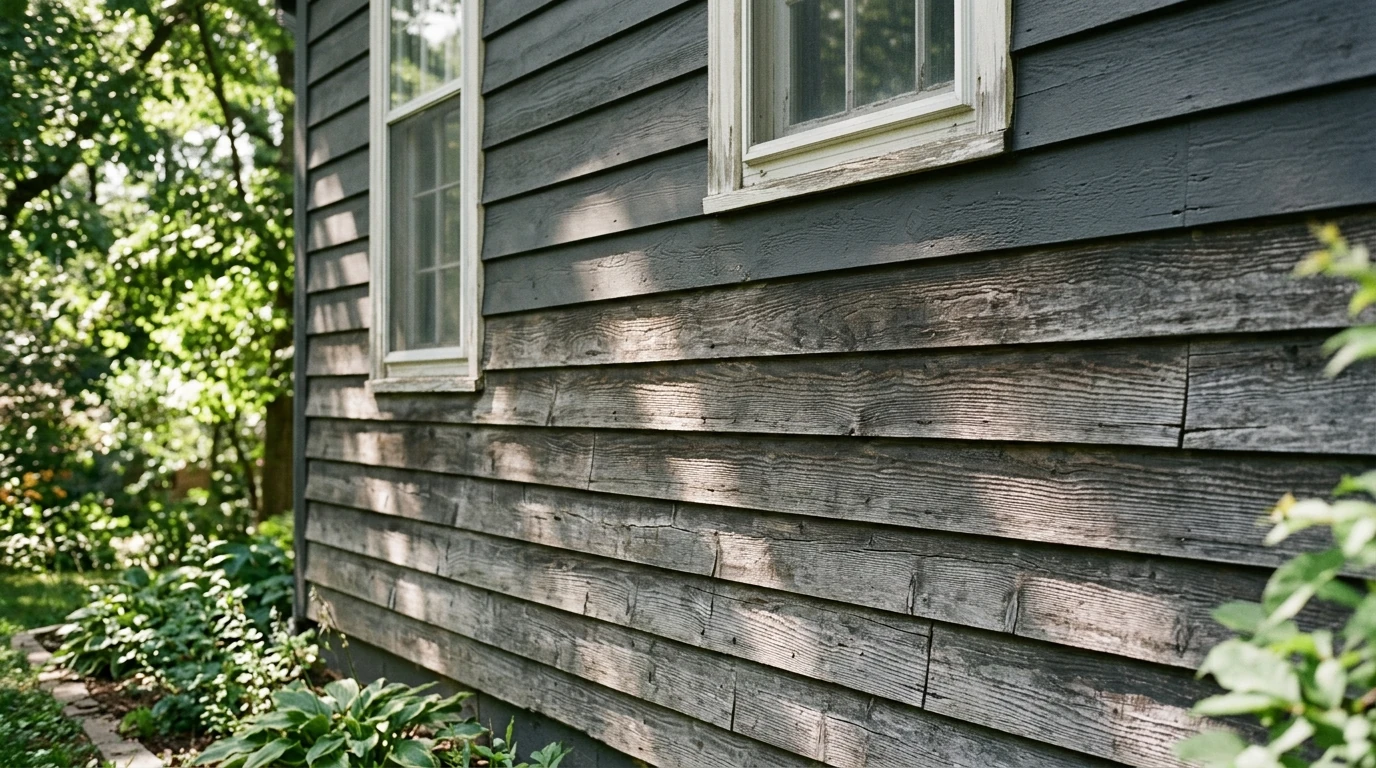
Wood siding needs repainting because paint is the only thing standing between raw wood and everything the weather throws at it. Once that paint film starts to break down, moisture gets in, wood fibers swell and shrink with every rain and dry spell, and the damage builds quietly until it becomes obvious and expensive. Homeowners in Lenexa, KS deal with real seasonal swings that put exterior paint through its paces year after year, which makes keeping up with repainting wood siding a practical necessity, not just a cosmetic refresh. The good news is that catching paint failure early means the fix is usually straightforward.
The Science Behind Wood Deterioration and Paint Protection
Wood naturally pulls moisture from the air and from direct water contact. When those fibers absorb water, they swell. When they dry out, they shrink. Over time that repeated cycle breaks down the wood from the inside, leading to checking, splitting, and eventually rot. A sound exterior paint film slows that process dramatically by sealing the surface and reducing how much moisture the wood takes in.
UV radiation adds to the problem. Sunlight breaks down lignin, the natural compound that holds wood fibers together, which is why unprotected wood turns gray. As lignin breaks down, the wood loses the grip that keeps paint anchored to the surface. Quality exterior paint formulated for wood contains UV-blocking pigments and flexible resins that move with the wood instead of cracking away from it. Once that film thins or chalks, UV and moisture reach the wood directly and things get worse faster than before the paint failed.
Paint also acts as a barrier against mold, mildew, and algae. These organisms settle onto bare or compromised wood readily, and once their root systems drive into the fibers the staining and damage they leave behind cannot be fully reversed by painting alone.
Environmental Factors That Accelerate Paint Degradation
Not every paint job ages at the same pace. The conditions around your home determine how quickly the film breaks down, which is why blanket timelines only get you so far. Here are the factors that tend to shorten a paint job's useful life.
- UV exposure hits south-facing and west-facing walls the hardest and is the biggest single driver of paint film breakdown.
- High humidity keeps wood moisture levels elevated, which promotes mold growth and weakens how well paint sticks to the surface.
- Freeze-thaw cycles force moisture trapped inside wood to expand as ice, physically pushing paint off the surface from below.
- Wind-driven rain pushes water sideways against siding joints and end grain where paint coverage tends to be thinnest.
- Tree canopy shade holds moisture against siding longer and can encourage biological growth even in drier stretches.
- Concrete or asphalt nearby can reflect extra heat and UV onto lower siding courses, speeding up degradation at the base of the wall.
Walls with heavy sun exposure often show paint failure sooner than shaded walls, though shaded surfaces bring their own moisture risks. Knowing which elevations of your home take the most punishment helps you prioritize where to look first during any repainting wood siding project.
Recognizing Early Warning Signs of Paint Failure
Catching paint failure early is the difference between a simple repaint and a much larger repair job. Most homeowners wait until the peeling is impossible to ignore, but the process starts long before that. A quick visual walk around your home once or twice a year can catch problems while they are still easy to fix.
Try running your hand flat across the siding surface. If it comes away chalky and white, the paint binder has broken down and the film is no longer doing its job. That is an early warning that repainting should go on the schedule soon, not wait another season.
- Chalking: paint leaves a powdery white residue when rubbed, meaning the binder has broken down.
- Hairline cracking: fine surface cracks that have not reached the wood yet, but will let moisture in if left alone.
- Alligatoring: a scaly, reptile-skin pattern in the paint film, usually caused by a rigid topcoat over a softer layer beneath.
- Peeling or flaking: paint is separating from the wood, often driven by moisture trapped below the film.
- Color fading or uneven sheen: UV has been degrading the pigment, which means the protective film is thinning.
- Exposed raw wood or gray weathering: the paint is gone and bare wood is taking the full force of weather exposure.
If you are seeing any of these signs across more than a small isolated patch, it is time to schedule repainting wood siding within the current or next painting season. Waiting past this point lets moisture work deeper into the wood, which raises the amount of prep work needed before any new paint can stick properly.
How Often Should You Repaint Wood Siding
There is no single number that works for every house, but here is a practical starting point. Smooth-finish wood siding painted with a good-quality acrylic latex exterior paint typically holds up for 7 to 10 years in moderate climates with normal sun exposure. Rough-sawn or textured wood holds paint longer because the surface texture gives it more to grip. Well-applied paint on rough cedar can perform for 10 to 15 years under favorable conditions. Heavily exposed walls in climates with significant freeze-thaw cycling may need attention every 4 to 6 years regardless of paint quality.
Use those ranges as a starting point, then let what you actually see on the siding guide your timing. A wall that still looks clean and sound at year eight may be fine for another season or two. A wall showing chalking and hairline cracks at year five needs attention now.
Climate-Specific Timing Considerations
In climates with intense UV, south-facing and west-facing walls can show degradation in as few as four years, while north-facing walls on the same house may still look fine after eight. In humid climates, moisture vapor can work through the wall assembly and push paint off the siding from behind, which shortens repaint cycles even when the surface looks decent. Cold-winter climates with freeze-thaw activity stress paint especially at joints, laps, and end grain. Those are the spots worth checking closely every spring after the last hard freeze.
Wood Species and Paint Longevity Factors
Cedar and redwood have natural oils that give them some built-in resistance to moisture and decay. Those same oils can get in the way of paint adhesion if the wood is not properly primed first, but when prep is done right, painted cedar and redwood hold up well. Pine and fir are more porous and take in more moisture, making them more vulnerable to paint failure from moisture cycling. They tend to need shorter repaint intervals and do better with a quality oil-based or shellac-based primer before topcoating. Engineered wood products like hardboard siding are especially sensitive at cut edges and joints, and those spots often show paint failure before the field of the board does, so edge sealing gets extra attention at every repaint cycle.
Optimal Timing and Conditions for Repainting Wood Siding
Paint manufacturers set application windows because applying paint outside those conditions produces real problems. Adhesion failures, sheen problems, and short film life are common results of painting in the wrong temperature or humidity range.
Most quality exterior acrylic latex paints need surface and air temperatures above 50 degrees Fahrenheit during application and for several hours after. Some extended-range formulas allow application down to 35 degrees Fahrenheit. Humidity above 85 percent slows drying and can cause lap marks and poor film formation. Painting on a hot surface in direct midday sun causes the paint to skin over before it has fully soaked into the substrate.
Late spring and early fall are the most reliable painting windows in most regions because temperatures are moderate and humidity is manageable. Painting on overcast or lightly cloudy days, and avoiding direct sun on the work surface, gives you the most consistent results. October is not too late to paint in most climates as long as nighttime temperatures stay above 50 degrees Fahrenheit and no rain is forecast within 24 hours of application. Exterior wood siding painting in winter is generally not a good idea.
Consequences of Delaying Wood Siding Maintenance
Paint failure on wood siding moves through predictable stages, and each stage raises the amount of work needed to get the surface right. Here is what that progression actually looks like.
At the first stage, you are dealing with chalking, fading, and hairline cracking. The wood underneath is still sound. A thorough cleaning, light sanding, spot priming of bare areas, and a fresh topcoat is all it takes. Stage two means active peeling and moisture has been getting in. The wood surface is starting to gray and weather. Getting it ready for new paint now requires scraping, power washing, sanding, and a full prime coat before any topcoat goes on. The project is noticeably larger. By stage three, there is rot and structural softening. Boards need physical repair or replacement before any painting can happen. What started as a repaint has become a combined carpentry and painting project, and the timeline stretches from days to weeks depending on how much material has been damaged.
If your siding is still at an early stage, a well-timed full home exterior painting project will protect it for another full maintenance cycle and consistently delivers better results than a heavily repair-driven project taken on after things have compounded.
Surface Preparation Requirements for Lasting Results
Surface preparation is the biggest factor in how long a new paint job holds up. A premium paint applied over a poorly prepared surface will fail faster than a mid-grade paint applied over a surface that was properly cleaned, sanded, and primed. This is the most common reason repainting wood siding falls short of expectations.
Good preparation follows a clear sequence. Power washing comes first to remove dirt, mildew, oxidized chalk, and loose paint. Once the surface has dried completely, typically 48 to 72 hours for wood, hand scraping and sanding remove remaining loose paint and smooth out the edges of intact paint to eliminate ridges. Bare wood and any repaired sections need a primer coat matched to the topcoat system. Oil-based primers are often the right call for bare wood because they penetrate and seal the grain more thoroughly than latex primers. End grain gets extra attention because it absorbs moisture faster than any other part of the board. A final inspection before the topcoat goes on confirms that nothing has been missed.
Skipping any of these steps leads to predictable problems: early adhesion failure, moisture getting into unprimed edges, and peeling at scraped transitions within a couple of seasons.
Comparing Repainting Wood Siding vs Alternative Solutions
If your wood siding is showing wear, you may be wondering whether repainting still makes sense or whether it is time to look at replacing the siding with something lower-maintenance. The honest answer depends on the condition of the wood and what you want for the property long term.
Repainting is the right call when the underlying wood structure is solid. If you press on a board and it feels firm, if there is no soft or spongy give, and the paint failure is surface-level, a well-executed repaint will protect that wood for another full cycle. Natural wood siding has a character that a lot of homeowners specifically want to keep, and repainting wood siding preserves that while restoring the protective barrier.
Replacement or covering the siding with a new material is worth considering when rot is widespread, when you would need to replace a large number of boards before painting, or when you want to step off the periodic repaint cycle entirely. Fiber cement and engineered wood composites need repainting less often than natural wood, though they are not truly maintenance-free. Vinyl never needs painting but trades away the wood look entirely. When more than 20 to 30 percent of boards need replacement before repainting can begin, a full siding replacement often makes more practical sense than patching and painting.
Why Choose Westlake Ace Hardware Painting Services Kansas City Metro
A wood siding project involves real decisions about timing, preparation, and materials, and it helps to have a crew you can trust to handle it properly. Westlake Ace Hardware Painting Services Kansas City Metro works on wood siding projects throughout the Lenexa, KS area and the surrounding region, and we take the prep work as seriously as the paint itself. Our crews are background-checked W-2 employees who show up trained and accountable to our workmanship guarantee, so you know the people working on your home are held to a clear standard. We use Benjamin Moore exterior products, which are built to handle the temperature cycling and weather exposure this region delivers. Every residential exterior project includes color consultation and physical color samples so you can see your selection in natural light on your actual siding before any paint goes on. Whether your siding is chalking at year seven or peeling at year four, we assess the substrate honestly and prepare it properly so the new finish lasts as long as it should. When you are ready to move forward, Get an Estimate from our Kansas City Metro office.
FAQ
How long does it take to repaint the exterior wood siding on an average house?
Most single-family homes with wood siding take two to four days for a full exterior repaint, covering preparation, priming, and topcoating. Homes with significant peeling, rot repair, or multiple stories may take longer. Weather holds can also extend the timeline if conditions fall outside the acceptable application window.
Can I paint over old peeling paint on wood siding without removing it first?
No. Painting over loosely adhered or peeling paint traps the failed film under the new coat, and the old paint will keep separating from the wood and pull the new paint with it. All peeling and loose paint needs to be scraped and sanded before any primer or topcoat goes on for the new paint job to hold.
What type of paint works strongest for wood siding?
A high-quality acrylic latex exterior paint is the standard recommendation for most wood siding. It is flexible enough to move with the wood through moisture and temperature cycles, holds color well under UV exposure, and is straightforward to work with. The primer underneath matters just as much as the topcoat, and bare wood typically benefits from an oil-based or shellac-based primer for maximum penetration before the latex topcoat goes on.
How do I know if my wood siding needs repair before repainting?
Press firmly on siding boards with your thumb. Soft or spongy areas signal rot beneath the surface and need repair or replacement before any painting begins. Focus on the bottom edges of boards, end grain, areas around windows and doors, and any horizontal surfaces where water can sit. Sound wood will feel firm and will not flex or crumble under pressure.
Does repainting wood siding add value to a home?
A fresh, properly applied exterior paint job improves curb appeal and signals that the home has been maintained. Beyond looks, a sound paint film protects the structural integrity of the wood underneath, which matters during a home inspection. Deferred exterior maintenance that results in rot or board damage is a real negotiation point that can reduce a sale price by more than the repaint project would have required.