
Can You Paint During Winter in Denver, CO?
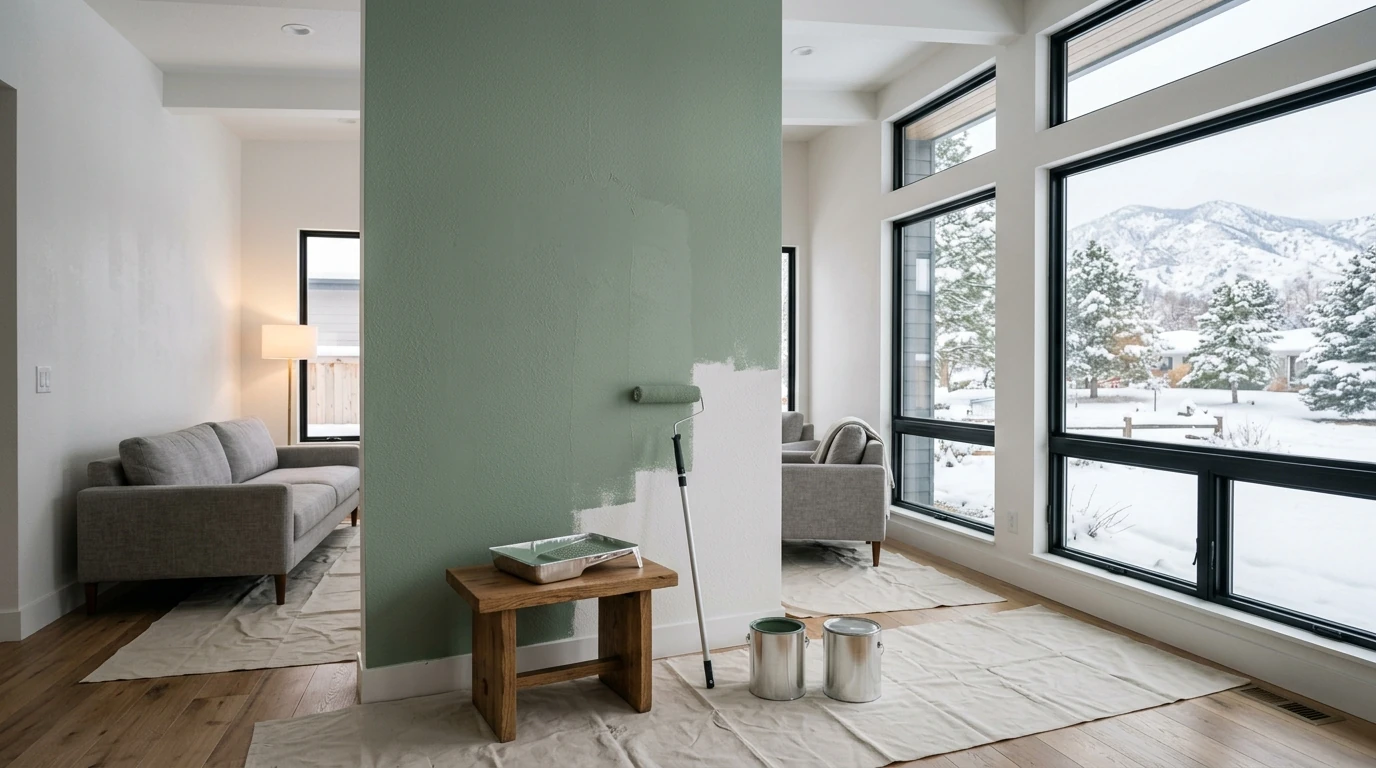
Yes, you can paint during winter in Denver, CO, and for most homeowners the real answer depends on one thing: are you painting inside or outside? Homeowners in Lakewood, CO and across the greater Denver area have a genuine advantage when it comes to indoor projects in winter. A heated home with Colorado's naturally dry air is actually a great environment for paint to cure. Exterior painting is a different story. Denver sits at roughly 5,280 feet above sea level, and that elevation, combined with freezing overnight temperatures and wide daily swings, makes exterior work unreliable from mid-October through late April. The short version: plan your interior refresh for winter, and get your exterior project on the calendar for spring.
Temperature Requirements for Paint Application in Denver
The temperature question comes up constantly, and it deserves a direct answer. For most water-based latex paints, you need both the air and the surface to stay above 50 degrees Fahrenheit during application and for at least 24 hours after. Oil-based paints have a little more flexibility, down to around 40 degrees Fahrenheit, but the surface still cannot freeze while the paint is curing. One thing a lot of homeowners miss: surface temperature matters as much as air temperature. A wall sitting in shade can be 10 to 15 degrees colder than the thermometer reading, which means a technically safe afternoon can still produce a failed coat.
Denver's winter nights drop well below freezing on a regular basis. Even when the afternoon warms up nicely, exterior paint laid down during that warm spell has not finished curing before temperatures fall again after sunset. That repeated freeze-thaw cycle causes latex paint to crack, peel, and lose its grip before it ever fully sets.
Denver's altitude adds one more wrinkle. At 5,280 feet, lower air pressure causes the liquid carriers in paint to evaporate faster. In cold winter air, that faster evaporation makes the surface skin of a coat dry before the layer underneath has cured, leaving a brittle film that does not hold up over time.
- Latex paint needs surfaces and air above 50 degrees Fahrenheit during application and for at least 24 hours after the final coat.
- Oil-based paint can go on down to around 40 degrees Fahrenheit, but surfaces must stay above freezing through the full cure period.
- Shaded or north-facing surfaces often run significantly colder than the air around them.
- Denver's altitude speeds up solvent evaporation, which can cause the paint film to skin over before the underlying coat has cured properly.
Why Interior Painting Thrives During Denver Winters
Here is the good news: indoor painting in winter is not just possible, it is often the sweet spot for getting a project done well. When your home is heated to a steady 65 to 75 degrees Fahrenheit, paint dries and cures at a consistent rate no matter what the weather is doing outside. Scheduling is also easier in winter because it is the slower season for painting crews, which means less waiting and more flexibility around your schedule.
Colorado's dry climate works in your favor here. Low indoor humidity during the heated winter months lets water-based latex paint release moisture and cure cleanly. In humid summer conditions, that moisture can linger and cause sagging or slow the drying between coats. Winter's dry indoor air takes that problem off the table.
The one thing to keep in mind with winter interior painting is ventilation. When your home is sealed up tight against the cold, paint fumes build up more than they would with windows open in summer. Cracking a window in the room you are working in, running a bathroom exhaust fan, and stepping outside for fresh air during breaks keeps the space safe and comfortable throughout the project.
- Keep indoor temperatures between 65 and 75 degrees Fahrenheit during painting and for at least 24 hours after the last coat.
- Colorado's dry winter air indoors supports clean, even curing of water-based paints.
- Crack a window in the room being painted to give fumes a way out, even on a cold day.
- Run a bathroom or kitchen exhaust fan to keep air moving while you work.
- Walls near exterior surfaces may run cooler than the center of the room, so give those spots a little extra drying time between coats.
Kitchens and bedrooms are popular winter interior projects for a reason. If you are ready to refresh a few rooms, scheduling residential interior painting with a crew during the slower winter months means you get the project done without stretching it across your busy spring weekends.
Exterior Painting Challenges in Colorado's Winter Climate
Colorado winters are genuinely tough on exterior paint applications. The combination of freezing nights, unpredictable snow, and big daily temperature swings creates conditions that paint manufacturers specifically warn against. When paint is applied to a surface that freezes before curing is complete, the water inside the emulsion expands and the film breaks down from the inside out. What you get weeks or months later is peeling, bubbling, or chalking that has to be addressed before any fresh coat can go on.
Surface preparation gets harder in cold weather too. Washing exterior surfaces to remove dirt, chalk, and mildew requires water, and applying water to surfaces near freezing can leave ice in cracks and crevices. That ice expands and can make any existing damage worse before a single drop of paint touches the wall.
Denver's Altitude Effects on Paint Performance
At Denver's elevation, paint behaves a little differently than it does in lower-elevation cities. Reduced air pressure at 5,280 feet causes paint to evaporate faster than manufacturers typically calibrate for. In warm conditions, experienced painters adjust their technique to account for this. In cold winter conditions, that same altitude-driven evaporation rate works against exterior adhesion. The outer surface of a coat dries quickly while the material underneath is still uncured, creating a bond that will not hold to the next coat or to the surface itself.
Denver's elevation also means more intense UV exposure year-round, which gradually breaks down paint film faster than at sea level. On a cold winter day, direct sun can warm a dark-colored exterior surface enough to feel paintable at midday while the substrate is still too cold in the morning and evening for reliable adhesion.
Optimal Timing for Exterior Projects in Denver
The practical window for exterior painting around Denver runs from late April through mid-October, with May through September being the most dependable stretch. Overnight temperatures during those months are more likely to hold above 50 degrees Fahrenheit, giving latex coatings the time they need to cure properly through the night. Early October can still work if the forecast cooperates. A warm week with consistent overnight lows above 50 degrees is a real opportunity. A stretch with nights dropping into the 30s is not worth the risk.
One question that comes up occasionally: can you start an exterior project in late fall and pick it back up in spring? The short answer is no. Partially applied coatings that sit through a Denver winter will degrade through freeze-thaw cycles and need to be stripped before any additional work can happen. A much better approach is to finish exterior work before the first hard freeze or wait until spring conditions are reliably warm overnight.
If your exterior surfaces are overdue for attention, you do not have to wait entirely. Exterior power washing and surface preparation can happen on dry, above-freezing days so the substrate is clean and ready to go the moment painting conditions arrive in spring.
Project Timeline Differences in Winter Versus Summer
Interior painting projects in winter tend to move faster than the same scope would in summer, and there are a few reasons for that. Scheduling is more open during the slower season, so the time between a project inquiry and an actual start date is usually shorter. Colorado's dry indoor air speeds paint drying between coats, which can reduce the overall time a multi-coat project takes to complete.
Exterior projects work the opposite way. The tight seasonal window from late April through mid-October concentrates demand, and scheduling timelines stretch during peak months. Homeowners who think ahead about exterior work and plan during late winter typically get earlier schedule slots and better availability than those who wait until June to reach out.
Making the Decision: When Winter Painting Makes Sense
Once you understand the interior versus exterior split, the decision gets pretty simple. Interior painting works well throughout Denver winters as long as the space is properly heated and ventilated. Exterior painting needs consistent overnight temperatures above 50 degrees Fahrenheit, and those are not reliable in Denver from mid-October through late April.
If you have rooms that need refreshing, now is a practical time to get that scheduled. Bedrooms, kitchens, bathrooms, and living spaces are all good candidates for a winter project. If your priority is the outside of your home, the efficient path is to plan now and schedule for a spring start so you are first in line when the weather turns.
A conversation now about your exterior scope also gives you time to pick the right product for Colorado's dry climate and altitude conditions before the busy season arrives. Full home exterior painting takes some advance planning, especially when proper surface preparation and primer work are part of the job, and having that plan in place before spring makes the whole project smoother.
Why Choose Ace Hardware Painting Services Metro Denver
Ace Hardware Painting Services Metro Denver works with homeowners throughout the Lakewood, CO area on interior and exterior projects, and our crew genuinely understands how Denver's elevation, temperature swings, and Colorado's dry climate affect which products to use and how to apply them. Every residential project is completed by background-checked W-2 crew members, so you know who is coming into your home and what standard they are held to. Residential projects include color consultation and physical Benjamin Moore color samples, which means you can see actual paint colors in your own lighting before committing to anything. The workmanship guarantee means the finished result lives up to what was agreed on at the start, not just what it looked like on day one. If your interior is ready for a winter refresh or you want to get an exterior project planned before spring, Get an Estimate from Ace Hardware Painting Services Metro Denver.
FAQ
How cold is too cold for exterior painting in Denver?
For most latex paints, both the air and the surface need to stay above 50 degrees Fahrenheit during application and for at least 24 hours after. Oil-based paints can go on down to around 40 degrees Fahrenheit, but surfaces still cannot freeze while curing. Denver's overnight lows during fall and winter regularly drop below both thresholds, which is why exterior work is generally not practical from mid-October through late April.
Does paint dry faster in Colorado than in other states?
Yes, generally. Colorado's dry climate means lower humidity, which allows water-based paints to release moisture and cure more quickly than they would in a humid climate. Denver's altitude also speeds up solvent evaporation due to lower air pressure. On interior projects in a heated space that works in your favor, but on cold exterior surfaces it can cause the film to skin over before the layer underneath is fully cured, which is a problem.
Is October too late to paint the outside of my house in Denver?
Early October can still work if the weather cooperates. You want overnight lows staying above 50 degrees Fahrenheit consistently, and early in the month that is still possible most years. Mid to late October gets risky as overnight temperatures fall closer to freezing with more regularity. Checking a solid two-week forecast before starting and making sure the project will be fully complete before any sustained cold stretch is a smart approach.
How often should a house in Colorado be repainted?
Exterior paint on Colorado homes typically needs attention every 5 to 7 years, though Denver's intense UV exposure at elevation and the freeze-thaw stress of winter can shorten that on some surfaces. Wood siding and trim tend to show wear earlier than fiber cement or masonry. Interior paint generally lasts longer, with high-traffic areas like kitchens and hallways needing a refresh more often than bedrooms or less-used spaces.
What indoor temperature should I maintain while painting a room in winter?
Keeping the room between 65 and 75 degrees Fahrenheit during application and for at least 24 hours after the final coat gives latex paint the conditions it needs to cure properly. If the temperature inside a space drops below 55 degrees Fahrenheit, curing slows enough to affect the finished quality. Walls near exterior surfaces can run cooler than the rest of the room, so give those a little extra drying time between coats.