
Why Should I Paint My Home Before Selling?
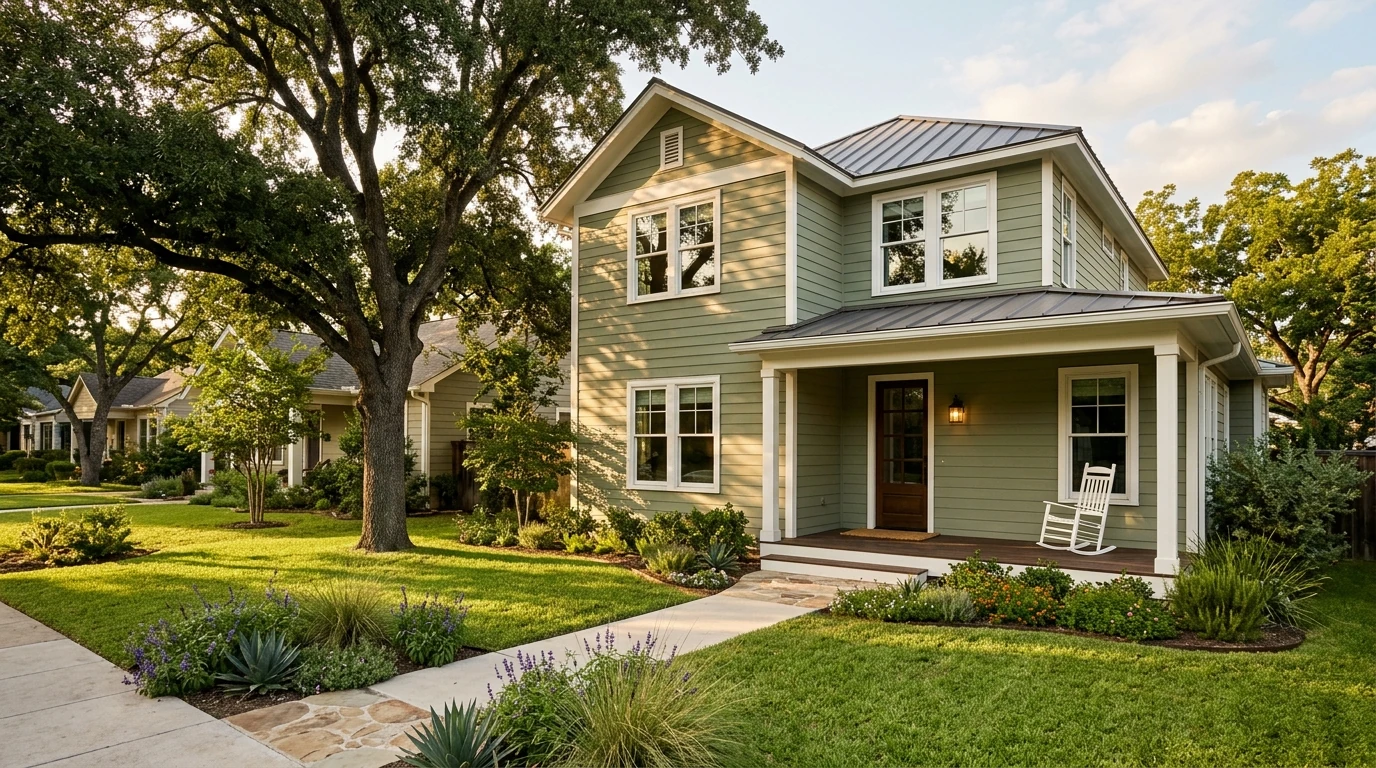
If you are asking why you should paint your home before selling, the short answer is this: fresh paint is one of the fastest ways to make your home feel move-in ready to buyers who are already mentally comparing it to every other listing they have seen. For homeowners in Austin, TX, a well-executed pre-sale painting plan can mean the difference between a listing that generates strong first offers and one that sits while buyers negotiate for condition-based discounts. Potential buyers form their impressions quickly, and worn, dated, or heavily personalized paint choices signal deferred maintenance before anyone has even walked through the front door. A thoughtful approach covers both interior and exterior surfaces, focuses energy on the rooms that matter most, and uses color to appeal to the widest possible range of buyers.
How Painting Transforms Buyer Perception and Home Value
A fresh coat of paint does more than refresh a surface. It changes how buyers categorize your home. When potential buyers walk through rooms with clean, neutral walls and crisp trim, they mentally file the property under "move-in ready" rather than "project." That shift matters because it shows up directly in offer behavior. Research from real estate industry groups consistently shows that properly painted homes sell faster and attract offers closer to or above asking price, with exterior painting alone linked to resale value increases of 2 to 5 percent in many analyses.
Curb appeal is the very first filter buyers apply, often before they ever contact an agent. Peeling paint on a front door, faded siding, or chalky trim registers immediately in listing photos and during a drive-by. Because most buyers start their search online, real estate photos decide whether a showing gets scheduled at all. A refreshed exterior makes sure your home photographs well and arrives at showings without a negative first impression already planted in the buyer's mind. Interior painting extends that same logic from room to room, erasing scuffs, discoloration, and bold colors that can quietly narrow the pool of interested buyers.
Interior vs. Exterior Painting: Where to Focus Your Project
Where you direct your pre-sale painting effort depends on the condition of your home and the competitive dynamics of the market around you. If the exterior shows visible wear, peeling paint, or a color that feels dated, that concern belongs at the top of your list. Buyers and their agents notice exterior condition immediately, and no interior update can make up for a rough first impression on the curb or in listing photos.
When the exterior is already in solid shape, interior painting delivers strong results, especially in the rooms buyers spend the most time evaluating. You do not need to repaint every wall in the house. A focused plan that targets the highest-impact spaces can produce a fully move-in ready feel without stretching your pre-listing timeline further than it needs to go.
Room-by-Room Painting Priorities for Maximum Impact
Not every room carries the same weight in a buyer's walk-through. Focusing your effort where it changes perception most gives you the strongest result for the time and money you put in.
- Living room and open-plan main areas: these spaces set the overall tone and appear in the first listing photos buyers see.
- Kitchen: buyers spend significant mental energy evaluating this room, and clean, neutral walls make the space feel larger and well-maintained.
- Primary bedroom: this is the room buyers imagine as their own, and a calm, neutral palette supports that.
- Entryway and foyer: the first interior space buyers see when they arrive, and the last they walk through when they leave.
- Bathrooms: small rooms where fresh paint has an outsized effect on how clean and cared-for the space feels.
- Front door and exterior trim: even without a full exterior repaint, refreshing the door color and trim makes a strong first impression with relatively modest scope.
Rooms with bold or heavily personalized color, such as a child's bedroom with a themed mural or a living room in a deep saturated tone, are worth addressing regardless of where they fall in the floor plan. A strongly personal color is one of the most common reasons buyers mentally subtract from their offer, sometimes without even realizing it.
Paint Color Psychology: What Appeals to Today's Buyers
Choosing paint colors for a pre-sale project operates under different rules than choosing colors for yourself. The goal here is not to express your personal taste. It is to create a backdrop that potential buyers can picture themselves living in. Neutral colors do this naturally because they remove visual friction. Instead of reacting to the color, buyers focus on the layout, the light, and the features of the home.
Both cooler and warmer neutrals perform well, but the specific undertone matters more than most sellers expect. Warm beige and greige tones feel inviting in natural light and photograph warmly. Light gray with soft undertones reads as contemporary without dating quickly. Crisp whites and off-whites on trim and ceilings create the visual contrast that makes wall colors read cleanly in photos and in person.
Colors That Increase Perceived Home Value
Certain color families consistently generate a stronger positive response from buyers. Color psychology research, including studies cited by major real estate platforms, points to specific palettes that make spaces feel elevated without feeling cold or sterile.
- Soft white and warm off-white on trim, moldings, and ceilings: signals precision, creates contrast, and photographs cleanly.
- Light gray with blue or green undertones on main living areas: reads as contemporary and move-in ready across a wide buyer demographic.
- Warm greige on bedrooms and secondary spaces: neutral enough to appeal broadly while avoiding the coldness of pure gray.
- Powder blue or soft sage on bathroom walls: real estate data surveys show these tones correlate with higher perceived bathroom value.
- Classic deep tones like navy or charcoal on the front door only: creates a focal-point moment on the exterior without committing the full facade to a bold choice.
If you want help narrowing down your palette, a professional color consultation can guide you toward options most likely to resonate with buyers, complete with physical samples you can evaluate in your home's actual light before committing to anything.
Paint Quality and Finish Selection for Lasting Appeal
Most pre-sale painting advice stops at color. But the quality of the paint and the finish you choose play a real role in how a room reads to buyers during a showing. A high-quality application in the right sheen communicates care and craftsmanship in a way that a rushed job in the right color simply does not.
Sheen selection matters most in the rooms buyers look at closely. Flat and matte finishes work well on bedroom walls and ceilings because they absorb light and minimize surface imperfections. Eggshell and satin finishes offer a slight sheen that holds up to cleaning, making them the practical choice for living rooms, hallways, and kitchens where buyers expect durability. Semi-gloss on trim, doors, and cabinetry visually frames edges and signals a polished result.
Paint grade also affects how the finished surface looks and how long it holds up. A quality paint with good coverage and washability will hide prior colors in fewer coats and produce an even film without visible roller marks. Buyers who look closely at walls during a showing, and many do, can tell the difference between a careful application and a hurried one. That finish quality reinforces the move-in ready condition your entire pre-sale effort is designed to communicate.
Timing Your Painting Project with Other Pre-Sale Preparations
Painting fits inside a larger sequence of pre-sale tasks, and where it falls in that sequence affects both the quality of the result and how smoothly everything comes together. Any repairs to drywall, plaster, or trim should be finished before painting begins. Painting over unrepaired surfaces wastes effort and still signals maintenance issues to buyers who look carefully.
Here is the sequence that works well for most pre-sale painting projects:
- Complete any structural repairs that affect walls, ceilings, or exterior surfaces.
- Address drywall patching, caulk gaps around trim, and handle surface preparation including sanding and priming where needed.
- Complete interior painting, starting from ceilings and working down through walls, trim, and doors.
- Complete exterior painting after any necessary power washing and surface prep has dried fully.
- Allow adequate dry and cure time before moving furniture back in, hanging artwork, or allowing heavy foot traffic through freshly painted rooms.
- Schedule listing photography after paint has fully cured and staging is in place.
Most interior paint needs about 24 hours before light contact and up to two weeks for a full cure. Build at least one week between painting completion and photography to allow full color stabilization. Exterior timelines vary based on weather and surface preparation, but scheduling exterior work two to three weeks before your listing date gives you a comfortable buffer without rushing anything.
When Painting Before Selling Makes Financial Sense
Painting before selling makes the most sense when your home's current condition gives buyers something visible to negotiate against. Peeling exterior paint, scuffed interior walls, bold or highly personal color choices, and dated trim all give buyers grounds to push for a lower price. A targeted painting project removes those objections before they ever reach a negotiation.
The return is not the same in every market. In a buyer-heavy market where there are more homes than buyers, a move-in ready presentation can be what generates multiple offers. In a softer market, fresh paint removes the most common condition-based objection buyers use to justify lower numbers. Either way, the paint is doing real work for you.
Keep the scope proportional to what you actually need. A full interior and exterior repaint on a home that is otherwise in excellent shape is hard to recover through the sale price alone. A targeted approach that addresses the rooms and exterior surfaces with visible wear or heavy personalization typically produces the cleanest return on your effort.
Market Conditions That Favor Fresh Paint
When homes are sitting longer and buyers have more options to compare, move-in ready condition differentiates your listing from comparable properties nearby. Fresh paint is one of the most visible and easily evaluated signals of that condition. In a seller's market with strong demand, painting is less essential for generating interest but still influences the quality of first offers by reducing the leverage buyers seek through condition-based concessions.
Homes entering the market during peak selling seasons benefit from the full presentation impact of fresh paint in listing photos, when buyer activity is at its highest. During slower seasons, a smaller buyer pool makes the move-in ready signal even more important for the qualified buyers who are actively searching. When the comparable homes in your neighborhood show fresh paint as a standard presentation element, not painting puts your listing at a relative disadvantage from the moment it goes live. A professional full home exterior painting project or a targeted interior refresh positions your listing at the level buyers in that market already expect.
Avoiding Common Painting Mistakes That Hurt Sales
Pre-sale painting can create problems just as easily as it solves them when the execution does not match the strategy. The most common mistakes sellers make center on color choice, scope, and finish quality.
Bold, saturated colors are the single most common painting choice that works against a seller. A deeply colored accent wall or a strongly personalized room asks buyers to mentally budget for a repaint, and that number gets subtracted from whatever they were prepared to offer. Sellers who have lived comfortably with those choices for years are often surprised by how strongly buyers react during a showing.
Partial repaints that do not blend with existing paint create visible color discontinuities that draw attention to exactly the spots you want buyers to overlook. If a room is worth painting, it is worth painting fully. Touch-up patches that do not match the existing sheen or color leave a surface that looks worse than a worn but uniform original.
DIY painting in the rooms buyers scrutinize most closely, including kitchens, entryways, and primary bedrooms, often produces results that attentive buyers notice. Roller marks, uneven cut lines at trim, and missed ceiling coverage are consistent signals that the home received rushed preparation. For the rooms that carry the most visual weight in a pre-sale context, professional interior painting delivers the consistency that supports a move-in ready positioning buyers are looking for.
Why Choose Ace Hardware Painting Services North Austin
Getting a home ready to sell involves enough moving parts already, and painting should be the part that gives you confidence rather than adds stress. Ace Hardware Painting Services North Austin makes that easy for homeowners across Austin, TX. Every residential project uses Benjamin Moore paints, so the coverage, durability, and finish quality you see in listing photos is the same quality that holds up through showings. Color consultation and physical color samples are included on residential projects, which means you can see your palette options in your home's actual lighting before anything goes on the walls. The crew members who come to your home are background-checked W-2 employees held to consistent standards, so you always know who is working in your space. A workmanship guarantee covers the finished result, giving you real confidence in the presentation you are putting in front of buyers. From a targeted room refresh to a full interior and exterior repaint timed to your listing schedule, we coordinate around your timeline so everything is cured and ready well before photography day. Get an Estimate and take the first step toward a listing-ready home.
FAQ
How much value does painting add before selling a home?
Exterior painting alone has been linked to resale value increases of 2 to 5 percent in real estate research, with interior painting in key rooms adding further return depending on the home's current condition. The actual result depends on the scope of the project, what the home looked like before, and what comparable homes in the area are presenting. Sellers who address visible wear and bold color choices tend to see the strongest return because they are removing the exact objections buyers would otherwise use to negotiate.
Should I paint every room before selling or just some?
A targeted approach usually produces a better result than painting every surface in the house. Focus on the rooms buyers evaluate most closely, including the main living areas, kitchen, primary bedroom, and entryway, along with any room carrying bold or highly personalized color. Rooms in secondary positions with neutral, well-maintained paint typically do not need attention. The goal is to remove visual objections, not to repaint for the sake of it.
What paint colors works strongest when selling a home?
Neutral colors with broad appeal tend to performs strongest in a pre-sale context. Soft whites and off-whites on trim and ceilings, warm greige or light gray on main living areas, and calming tones like soft sage or powder blue in bathrooms consistently get positive responses from potential buyers. The idea is that neutral colors let buyers picture themselves in the space rather than reacting to the current owner's personal choices.
How long before listing should painting be finished?
Plan to have interior painting completed at least one week before listing photography, and ideally two weeks before the first showing. That window allows paint to fully cure, lets any residual odor clear out, and gives color time to stabilize before your home is photographed. For exterior work, aim for two to three weeks before your listing date to account for surface preparation and any weather-related delays.
Does the exterior or interior matter more for resale value?
Both matter, but they work at different stages of the buyer's decision. Exterior condition determines whether buyers schedule a showing at all, because listing photos and drive-bys form that first impression. Interior paint condition shapes the quality of the offer once buyers are inside. If your exterior shows visible wear, addressing it first has the broadest impact. When the exterior is already in good shape, a targeted interior refresh in the highest-impact rooms typically delivers the strongest result on showing day.