
Who Should I Hire for Cabinet Painting Services in Austin, TX?
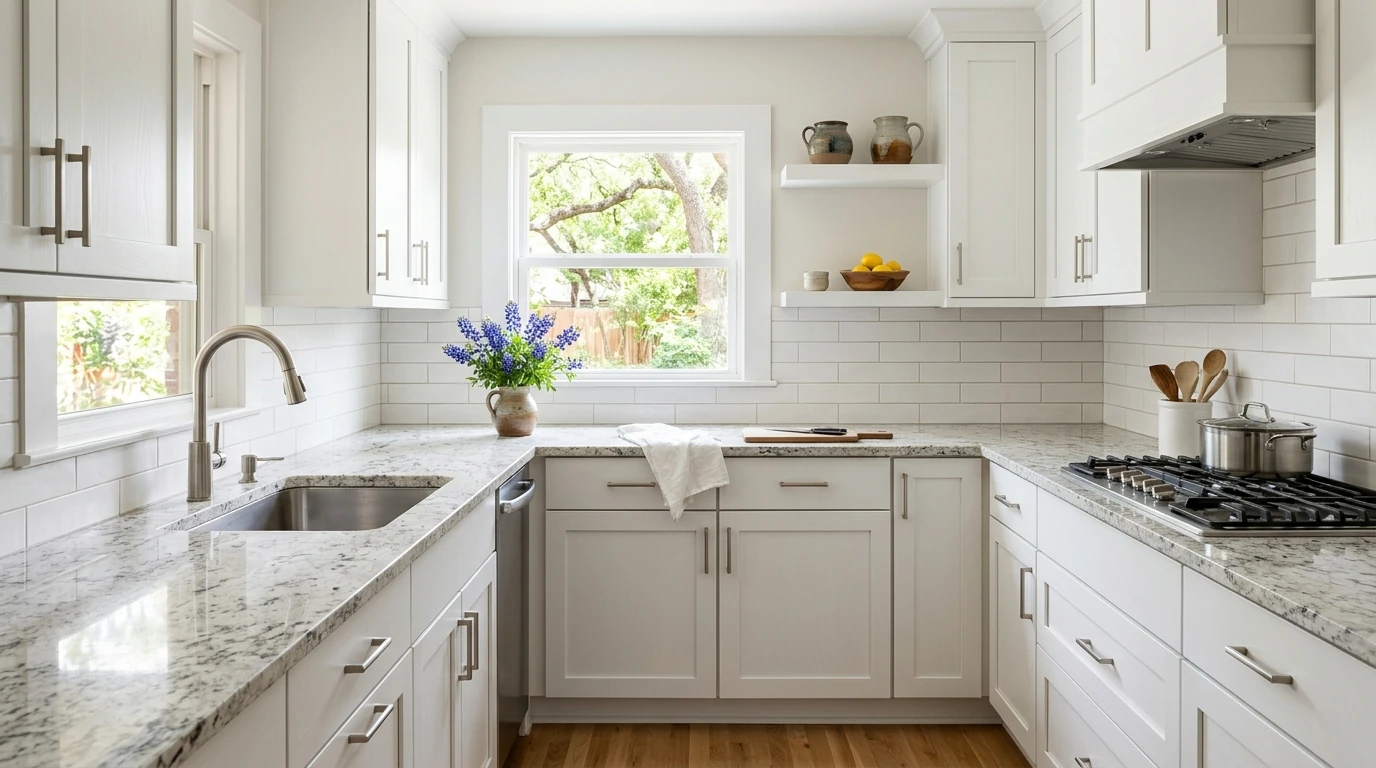
When you are searching for cabinet painting services in Austin, TX, it is easy to feel overwhelmed by the options and unsure what separates a finish that lasts from one that chips within a year. Cabinets take more daily punishment than almost any other painted surface in your home. They get touched hundreds of times a week, wiped down with cleaners, and exposed to heat and moisture that wall paint never has to handle. Homeowners across Austin, TX who have been through the process know that who does the work and how they prepare matters far more than how fast they get done. Here is what a genuinely qualified cabinet painter does, how to think through your options, and what the process looks like from start to finish.
Cabinet Painting vs Cabinet Refinishing: Which Option Is Right for You?
Cabinet painting and cabinet refinishing are related but different services, and picking the right one shapes your timeline, your result, and how your cabinets hold up over the years. Cabinet painting applies a fresh finish to existing cabinet surfaces after thorough cleaning, sanding, and priming. It is the right call when you want a completely new color, when the existing finish has worn badly, or when the cabinet material is in solid shape and you just want a fresh look.
Cabinet refinishing is more about restoring or enhancing an existing finish rather than covering it entirely. It may involve stripping, staining, or applying a clear topcoat to wood that still has good character. If your solid wood cabinets have a finish that has dulled or scratched but has not fully given up, refinishing lets you preserve that natural grain that painting would cover up.
A few practical things to keep in mind as you decide:
- Cabinet painting works on almost any surface, including MDF, laminate, and cabinets that have been painted before.
- Cabinet refinishing is generally a good fit for solid wood or wood veneer where the grain is worth keeping.
- Painting gives you the widest range of color options and lets you fully change the style of the space.
- Refinishing typically involves fewer coats and less surface alteration when the existing finish is still in decent shape.
- Both services require real preparation. Neither one lets you skip sanding and cleaning.
If you are not sure which direction fits your cabinets, a professional who offers both services can take a look at what you have and give you an honest read before you commit. Ace Hardware Painting Services North Austin includes that kind of pre-project evaluation as part of our residential cabinet painting and refinishing process.
The Complete Cabinet Painting Process, Phase by Phase
Most of the frustration homeowners feel with painted cabinets traces back to steps that got skipped during preparation, not to the paint itself. A professional crew does not walk in and start painting on day one. The work moves through several phases, and each one directly affects how the finish holds up over time.
The first phase is assessment and disassembly. Doors, drawer fronts, and hardware all come off before any painting starts. Working on the doors separately from the cabinet boxes means full coverage on edges and no hardware getting accidentally painted over or damaged. This is also when the crew identifies any surfaces that need a little repair work before coating goes down.
After that comes surface preparation, which we get into below. Then primer application, followed by the finish coats. The final phase is reinstallation once the finish has had enough time to properly cure. For a typical full kitchen, the whole process runs several days from disassembly to final hardware reinstallation. Rushing the drying time between coats is one of the most common reasons cabinets start chipping or peeling within the first year.
Cabinet Preparation and Surface Treatment
Preparation is genuinely where professional cabinet painting earns its keep. Over years of cooking, cabinets pick up grease, cooking residue, and dust that bond right into the existing finish. A thorough degreasing wash clears all of that out before any sanding or priming touches the surface. If you skip this step, your primer and paint are bonding to grime instead of to the cabinet itself, and the finish will tell you about it eventually.
After cleaning, sanding gives the existing surface something for the new primer to grip. On previously painted cabinets, a good scuff sanding is what creates that mechanical adhesion. On bare or stripped wood, sanding levels the grain and removes mill glaze that would otherwise block penetration. The goal is a clean, uniform, lightly abraded surface across every face that is going to be painted.
Then comes primer. The right primer depends on what you are working with. Oil-based primers hold on better to previously glossy finishes and on woods prone to tannin bleed. Shellac-based primers seal problem surfaces and keep staining from pushing through the finish coats. Water-based bonding primers work well on MDF and laminate when they are properly formulated for those materials. Getting the primer right is not a detail you can make up for later.
Professional Paint Application Techniques
For cabinet doors and drawer fronts, professional painters typically use spray application. Spraying lays down an even, smooth film that brushing simply cannot match on flat panel surfaces. The result reads as factory-applied rather than hand-painted, which is usually exactly what homeowners are hoping for when they invest in professional cabinet painting instead of a simple touch-up.
Cabinet boxes, frames, and interiors may be brushed or rolled depending on access and the level of finish you want. On a well-run project, the crew is checking for runs, sags, or missed spots between coats and correcting them before the next coat goes down. Multiple thin coats always outperform one heavy coat, both in how the finish looks and how long it holds up.
Paint Options and Durability for Cabinet Surfaces
Not every paint is built for cabinet work. Cabinets need a product that can handle repeated touching, moisture, and regular cleaning without the finish wearing out ahead of schedule. Using the wrong paint type is one of the most common reasons homeowners find themselves repainting cabinets much sooner than they expected.
Here is a plain-language look at the main categories professionals use on cabinets:
- Waterborne alkyd hybrids give you the hardness and smooth leveling of oil-based paint with faster dry times and much easier cleanup. These are among the most widely recommended options for cabinet projects.
- Traditional oil-based paints cure to a very hard finish but take longer to dry and need strong ventilation during application.
- Acrylic latex paints made specifically for cabinets and trim can perform well when the surface is properly primed and top-coated, though they tend to be softer than alkyd options.
- Catalyzed finishes, applied in a professional spray environment, offer the highest durability but require specialized equipment and controlled conditions.
Sheen matters too. Semi-gloss and satin are standard for cabinets because they resist moisture and wipe clean far more easily than flat or eggshell finishes. The Austin area brings heat and humidity that put paint films to the test, so product selection should account for those real-world conditions. A well-matched coating system holds up through seasonal changes and the daily use of a working kitchen or bathroom.
Kitchen and Bathroom Cabinet Painting Services
The painting process for kitchen cabinets and bathroom cabinets follows the same general path, but the environments they live in are different enough to affect the decisions you make along the way. Kitchens deal with grease, steam, and heat from cooking. The surfaces near the range and sink take the hardest daily use and benefit from the toughest available finish. Color choices in kitchen cabinet painting also tend to set the visual tone for the whole room, which is why working through a color consultation before any paint is selected can save a lot of second-guessing later.
Bathroom cabinets deal more with sustained moisture and humidity than heat. Paint adhesion failures in bathrooms often come down to moisture that was not managed well during application, primer that did not fully cover the substrate edges, or finish coats that did not get enough cure time before the room went back into regular use. A painter who knows bathroom cabinet work will choose moisture-resistant primers and finish products suited to that specific environment.
Vanities, medicine cabinets, and built-in storage in both rooms respond well to professional cabinet painting when the preparation is thorough. For cabinets that are structurally sound but visually dated, repainting is a genuinely practical way to refresh the look of a kitchen or bathroom without replacing functional cabinetry.
Cabinet Hardware: Replace, Reuse, or Upgrade?
Hardware decisions come up on every cabinet painting project, and the good news is that the natural moment to make that call is already built into the process. Hinges, pulls, and handles come off before painting starts, so you have the cabinets stripped down and ready anyway. That is a perfect time to take a good look at whether your hardware is worth putting back.
Reusing existing hardware makes sense when the pieces are in good condition and the finish works with your new paint color. Hardware that is scratched, corroded, or just visually tired is often worth swapping out at this stage because the reinstallation labor is already part of the project.
Upgrading to new hardware alongside a cabinet repaint is one of the most noticeable improvements you can make to a kitchen or bathroom. New pulls and handles in a finish that complements the paint color can shift the whole feel of the room. Working that decision out during the planning phase, not after the paint is dry, gives you the most satisfying result.
How Long Do Painted Cabinets Last?
Professionally painted cabinets with solid preparation and quality paint typically hold up for eight to fifteen years before any meaningful touch-up or recoating is needed. Where you land in that range depends on product quality, how thoroughly the prep was done, and how much wear your specific cabinets take each day. A cabinet next to a busy sink will show wear faster than one in a low-traffic laundry room, and that is just honest.
The single biggest factor in longevity is preparation. Cabinets that were properly cleaned, sanded, and primed before painting hold their finish significantly longer than those that were not. The second biggest factor is the paint system itself. A correctly chosen coating on a well-prepared surface will outlast a premium paint applied without adequate prep by a wide margin.
Maintaining Your Newly Painted Cabinets
Your newly painted cabinets will performs strongest if you give them a little extra care in the first few weeks and then keep up with some simple habits after that. Even after the surface feels dry to the touch, the finish needs time to fully cure. For the first thirty days, handle the doors and drawers gently and stay away from harsh cleaning products that could damage the film before it reaches full hardness.
After that, mild soap and warm water with a soft cloth handles most of what your cabinets will need. Skip the abrasive sponges, solvent-based cleaners, and anything acidic. Near the stove and sink, wiping down cabinets more frequently keeps grease and moisture from building up. Grease that sits on painted surfaces for extended periods can gradually soften the finish and create problems down the line.
Every few months, take a quick look at the edges, corners, and areas around hardware for chips or wear spots. A small touch-up with the correct paint and sheen, applied to a clean and lightly sanded surface, is a straightforward fix that keeps minor issues from turning into bigger ones.
Why Choose Ace Hardware Painting Services North Austin
We know that handing over your kitchen or bathroom to a painting crew can feel like a big step, and we want to make that process as easy and reassuring as possible. Ace Hardware Painting Services North Austin brings the preparation discipline and product knowledge that cabinet work genuinely requires. Our crews are background-checked W-2 employees, which means you know who is coming into your home and you get consistent work on every visit. We paint with Benjamin Moore products, chosen for their performance on demanding surfaces like cabinets. Every residential project includes color consultation and physical color samples so you can see exactly how your choices look in your actual kitchen or bathroom light before any paint goes on. Our workmanship guarantee covers the finished result, and it is backed by the preparation process that makes long-lasting finishes possible. Homeowners across established neighborhoods in Austin find it helpful to start with a straightforward conversation about what their cabinets actually need. When you are ready to take the next step, Get an Estimate from Ace Hardware Painting Services North Austin.
FAQ
How much should I pay to have my cabinets painted?
The factors that drive the most variation are how many cabinet boxes and doors you have, the condition of the existing surfaces, how much preparation is needed, and which paint products are used. A kitchen with lots of cabinetry, heavy grease buildup, or surfaces that need some repair before priming will naturally require more time and materials than a smaller, well-maintained set of cabinets. A professional who can actually look at your kitchen will give you a much more accurate read than any general range could.
Is professional cabinet painting worth it?
For most homeowners, yes. A professional crew brings spray equipment, product expertise, and surface preparation steps that produce a finish your cabinets can handle daily use with for years. The peeling, brush marks, and adhesion failures that DIY attempts commonly run into are almost always tied to preparation shortcuts or the wrong paint system. If your cabinets are structurally solid but visually stuck in the past, professional painting is typically the most practical path to a result you will actually be happy with long-term.
Can I just paint over already painted cabinets?
You can, but preparation still matters just as much. The existing surface needs a thorough cleaning to pull grease and residue off, then a scuff sanding to give the new primer something to grip. Skipping either of those steps risks adhesion failure no matter how good the new paint is. A bonding primer suited to the existing finish type should go down before any finish coats, especially if you are going from an oil-based existing finish to a waterborne new coat.
What is the difference between cabinet painting and cabinet refacing?
Cabinet painting applies a new finish to your existing cabinet doors, drawer fronts, and boxes. Cabinet refacing replaces the visible surfaces with new veneer or laminate while leaving the underlying box structure in place. Refacing changes the actual material of the cabinet face and is generally a more involved process. Painting updates the color and finish without altering what the cabinets are made of, which makes it the right path when the material is sound and a fresh look is the goal.
Do you paint cabinet doors on site or off site?
We remove doors and drawer fronts and paint them in a controlled spray environment, either in a designated on-site area or at a shop facility depending on the project setup. Painting doors horizontally in a spray environment eliminates the runs and sags that happen when doors are painted vertically while still hanging. Cabinet boxes and frames are painted in place with surrounding surfaces masked off. Reinstallation happens once the finish has cured enough that handling will not leave marks or damage the coating.