
Should I Choose a Neutral Siding Color?
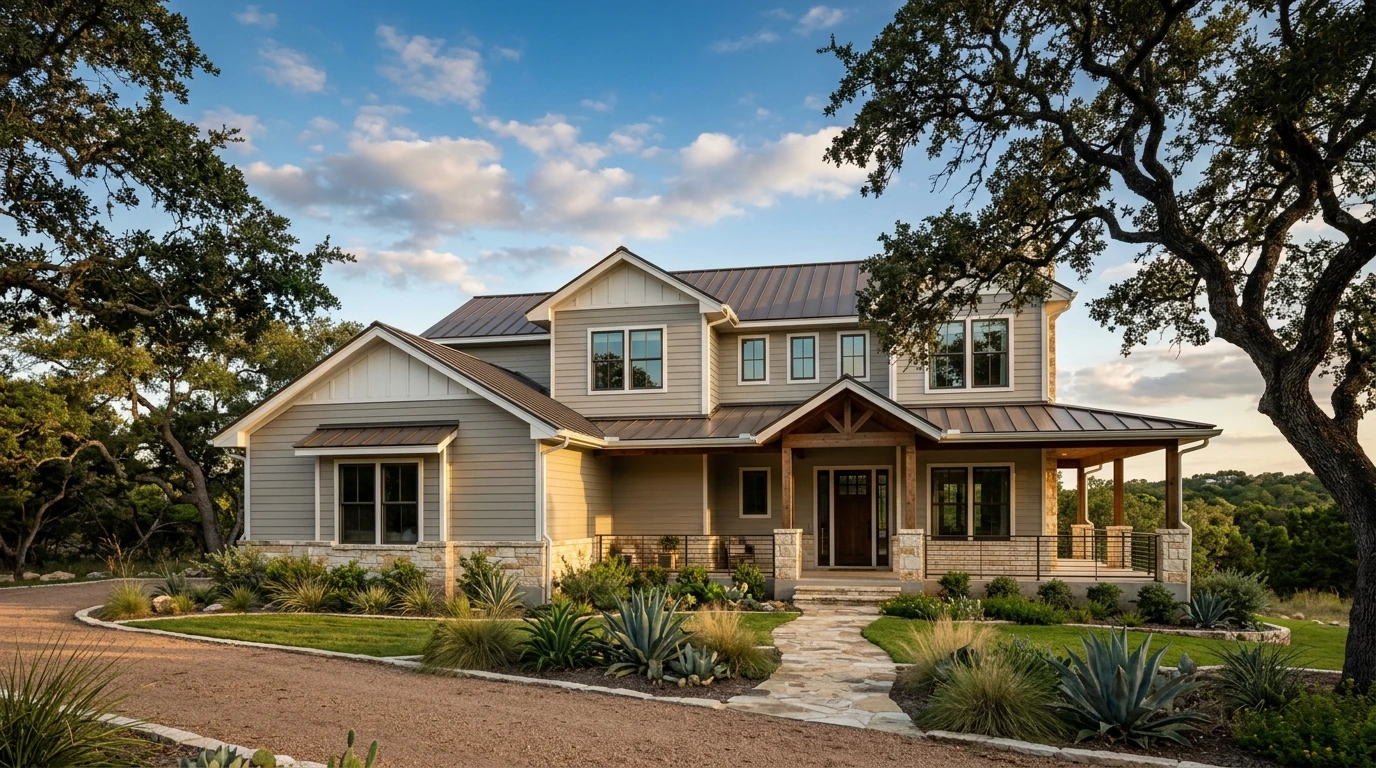
For most homeowners weighing whether to choose a neutral siding color, the answer is yes, and it is easier to see why once you look past the idea that neutral means boring. Neutral siding colors earn their popularity because they age gracefully, work with almost any trim or accent choice, and tend to make buyers feel at home the moment they pull up. In Austin, TX, where the sun is intense and summer stretches on, the right neutral shade does real practical work too. The sections below walk through why neutrals are a smart call, how they hold up over the years, which shades suit different homes and climates, and the handful of situations where a bolder direction might actually serve you better.
The Strategic Advantages of Neutral Siding Colors
Neutral exterior paint gives your home broad appeal without sacrificing personality. Real estate professionals consistently point to neutral siding colors as a factor in faster sales and stronger offers, because buyers can picture themselves in a home that does not lead with a strong opinion. A 2023 analysis from a national real estate data firm found that homes with neutral exteriors spent fewer days on market than those with bold or highly saturated siding. That is a meaningful edge if you plan to sell within the next ten to fifteen years.
Flexibility is just as valuable day to day. When you repaint the front door, add new shutters, or refresh the landscaping, a neutral siding field absorbs those changes without fighting them. White siding works with black trim or warm wood accents. Gray siding pairs with cool charcoal details and warmer bronze hardware alike. Beige siding welcomes a wide range of accent colors without creating a clash. That kind of adaptability matters a lot over the life of a paint job.
- Neutral palettes appeal to a broader pool of buyers and support resale goals.
- White siding, gray siding, and beige siding coordinate with almost any trim or door color.
- Neutral shades are less likely to conflict with HOA pre-approved color lists.
- A neutral field lets you update accents without committing to a full exterior repaint.
- Subtle undertones in greige and taupe add visual depth while staying within neutral range.
If you want to see how specific shades actually look against your home before committing, a color consultation includes physical samples placed right against your siding, which is a lot more reliable than comparing swatches under store lighting.
How Neutral Colors Perform Long-Term
Here is something worth knowing about neutral siding colors that does not get enough attention: lighter neutrals hold their color longer. Deep, saturated shades like bold reds, bright blues, and vivid greens rely on organic pigments that break down faster under ultraviolet exposure. Whites, light grays, and warm beiges use a higher proportion of inorganic pigments like titanium dioxide, which hold up much better under sustained sun. Major exterior paint manufacturers back this up in their own performance data.
When a neutral does fade over the years, it tends to do so quietly. A gray siding that lightens slightly over time still looks like gray. A bold navy or forest green that fades develops a bleached, washed-out quality that makes the whole exterior look tired. That difference means touch-ups are less noticeable on neutrals and your repaint intervals can stretch further.
Within the neutral range, maintenance needs vary by shade. Bright white siding shows dirt, pollen, and water streaking more readily than a mid-tone gray or greige. If white is the goal, scheduling periodic power washing keeps the surface looking sharp between repaints. Mid-tone neutrals hide seasonal grime while still presenting a clean appearance. Dark neutrals like charcoal gray absorb more heat during warm months, which is worth factoring in for homes with significant sun exposure.
Choosing the Right Neutral Shade for Your Climate
Lighter neutrals do real work in hot, sunny climates. When a surface reflects solar energy rather than absorbing it, there is less thermal stress on the paint film and on the siding beneath. A light warm beige or a soft warm white reflects a meaningful portion of incoming solar radiation compared to a deep taupe or charcoal gray.
Homes throughout the Austin area deal with long stretches of direct sun, and south-facing and west-facing walls take the hardest hit. For those walls, lighter neutrals like warm white siding or pale gray siding keep peak surface temperatures lower. That matters because repeated expansion and contraction from heat cycling is one of the main reasons exterior paint eventually cracks and peels.
Seasonal light also shapes how a neutral reads through the year. A gray that looks crisp in winter light may take on a cooler or slightly blue cast in flat midsummer afternoon light. Grays with warm undertones, ones that lean slightly toward beige, tend to stay consistent across seasons. Cool blue-gray shades can read almost lavender in certain afternoon conditions. Testing a physical sample at different times of day before you commit is the most reliable way to avoid surprises once the paint is on the wall.
Coordinating Neutral Siding with Your Home's Architecture
The neutral shade that looks sharp on a modern farmhouse can feel flat on a Victorian, and a warm historic cream that suits a Craftsman bungalow may not sit right with the clean geometry of a mid-century modern. Choosing a neutral that fits the architectural vocabulary of your home produces a result that feels considered, not just safe.
Traditional and Craftsman homes in established neighborhoods across Austin tend to respond well to warm neutrals, creamy whites, warm beiges, and earthy greiges, because those palettes echo the natural materials those styles use, wood trim, stone foundations, and clay roof tiles. Contemporary and transitional homes often suit cooler neutrals, clean grays and soft greiges with minimal warm undertones, which reinforce the restrained material palette those designs favor.
Working with Existing Roof Colors and Trim
Your roof is the anchor point for the whole exterior color scheme. Most homeowners repaint siding before replacing a roof, which means your neutral siding shade needs to get along with whatever is already up there. Warm-toned roofs, brown shingles, tan concrete tile, weathered cedar, read more naturally with warm neutral siding colors. Cool-toned roofs, gray slate, dark charcoal shingles, blue-black metal, pair better with cool gray siding or bright white siding.
The underlying principle is undertone matching. Pull the dominant undertone from the roof and echo it in the siding color. If the roof has warm brown flecks, a beige siding or warm greige siding will feel cohesive. If the roof leans toward cool charcoal, a gray siding with a cool undertone or a crisp white keeps things harmonious. Trim follows the same logic. Bright white trim creates sharp, clean contrast against almost any neutral siding. Soft off-white or cream trim softens the transition and feels warmer for traditional palettes.
Popular Neutral Siding Color Options
A handful of neutral shades show up consistently on new and repainted homes right now. Each one has distinct characteristics that are worth knowing before you pick.
- Warm white: the most versatile neutral siding color. Works with nearly every architectural style and accent choice. Shows dirt more readily but reflects the most sunlight, which is a real plus in a hot climate.
- Cool gray: a dominant popular siding color on contemporary and transitional homes. Pairs well with dark trim and natural wood accents. Undertone matters a lot here since some gray shades read blue or purple in certain light.
- Greige: a blend of gray and beige that smooths out the risk of an undertone surprise. Works across traditional and modern styles and coordinates with both warm and cool roof tones.
- Taupe: a warmer, earthier neutral that suits traditional and Craftsman homes. Pairs well with cream trim and bronze or black hardware. Absorbs slightly more heat than lighter options.
- Soft beige: a classic neutral exterior paint choice that reads as warm and welcoming. More conservative than greige but highly compatible with a wide range of accent colors.
- Charcoal gray: the boldest end of the neutral range. Creates a high-contrast exterior when paired with lighter trim. Requires careful undertone selection to avoid reading as navy or green, and absorbs more solar heat.
When it comes to timeless siding colors, greige and warm white hold their visual appeal across design cycles more reliably than shades that track a specific decade's trends. Homeowners planning a vinyl siding repaint or a full exterior refresh can evaluate physical samples of these options against the actual home before making a final call.
Navigating HOA Requirements for Neutral Colors
If your neighborhood has an HOA, neutral siding colors are almost certainly your friendliest path. Research from community association management organizations suggests the majority of HOA-approved exterior palettes consist of neutral ranges, warm whites through grays and tans, with limited or no options for bold saturated colors. That makes neutrals the practical default for homeowners subject to HOA review.
Working within HOA constraints does not mean settling for a forgettable result. Most approved lists include multiple shades across the neutral spectrum, and the difference between a flat exterior and a sophisticated one often comes down to undertone selection, trim contrast, and accent choices. You can pick a gray siding that fits the approved palette and still use a bold front door and sharp trim contrast to create a distinct, personal exterior within the rules.
Before submitting a color for approval, use the manufacturer shade name and a physical paint chip rather than trying to describe the color in words. Evaluating samples in natural daylight, rather than under interior store lighting, also reduces the chance of an approval surprise once the paint is actually on the wall.
When Neutral Colors Might Not Be Right
Neutral siding colors are not the automatic answer for every homeowner or every property. There are real situations where stepping outside the neutral range makes sense, and committing to a neutral in those cases would be a missed opportunity.
If you have a strong personal aesthetic and no plans to sell within the typical paint lifespan, you have more room to choose a color that reflects your own taste rather than the median buyer. A deep blue-gray, a warm terracotta, or a sage green can sit outside the conventional neutral siding color range and still look intentional and well-coordinated when the undertones are handled thoughtfully.
Properties in historic districts sometimes carry required palettes that include non-neutral options drawn from historically accurate color surveys. A warm mustard, a muted olive, or a period-appropriate red may be both permitted and preferable to a generic gray that lacks historical grounding.
Homes with bold or distinctive architectural features, a striking roofline, dramatic stonework, or highly ornamental trim, can use a non-neutral siding color to reinforce those elements rather than disappear into a neutral background. The goal is always for the color to support the architecture, and sometimes that means stepping outside the neutral range on purpose.
Neighborhood context is worth a look too. If every home on your street already features a similar beige or gray, a carefully chosen muted sage or warm terracotta can give your home a distinct identity without going over the top.
Why Choose Ace Hardware Painting Services North Austin
Choosing a neutral siding color is the kind of decision that feels simple until you are standing in front of a dozen samples, all of which look slightly different depending on the time of day and the angle of the light. Ace Hardware Painting Services North Austin helps homeowners in Austin, TX work through exactly that process, from reading undertones on a south-facing wall to selecting timeless siding colors that hold up through intense Texas summers. Every residential exterior project uses Benjamin Moore paints and stains, which bring the color consistency and UV performance that exterior work demands. Color consultation and physical color samples are included with residential projects, so you can see how popular siding colors like gray, greige, and warm white actually look against your home before anything gets painted. Every crew member is background-checked and employed directly as a W-2 worker, and all work is backed by a workmanship guarantee. When you are ready to move from research to paint, Get an Estimate from Ace Hardware Painting Services North Austin.
FAQ
What is the most popular siding color right now?
Gray siding holds the top spot in current exterior design surveys, with warm greige and clean white close behind. Cool medium grays with warm undertones are especially common on newer homes and recently repainted traditional homes. The popularity of gray comes down to its versatility across architectural styles and its reliable performance at resale.
Do neutral siding colors fade less than bold colors?
Lighter neutrals generally show less visible fading over time because they rely more heavily on inorganic pigments that hold up well under UV exposure. When a neutral does fade, the shift tends to be gradual and much less noticeable than the washed-out effect you get with deep saturated colors. Good surface preparation and quality exterior paint extend the life of any neutral finish.
What neutral siding colors make a house look more substantial?
Mid-tone and darker neutrals like charcoal gray or deep taupe create a grounded, solid appearance when paired with lighter trim and deliberate accent colors. Warm white siding with sharp dark trim also reads as polished and confident. The contrast ratio between siding and trim contributes as much to that visual weight as the specific neutral shade you choose.
How do I match neutral siding to an existing roof color?
Pull the dominant undertone from your roof material and look for a neutral siding shade that echoes it. Warm brown or tan roof tones pair naturally with warm neutrals like beige, greige, and warm white. Cool gray or charcoal roof tones work well with cool gray siding or crisp white. Holding physical paint samples up against the roof in natural daylight is the most reliable test before you make a final decision.
How long does a neutral exterior paint job typically last?
A properly prepared and painted exterior in a sun-intensive climate like central Texas can stay looking good for seven to twelve years before needing a full repaint, depending on the siding material, paint quality, and how thorough the surface preparation was. Lighter neutral shades tend to stay visually fresh longer because fading is less perceptible on them. Periodic cleaning and prompt attention to any cracking or peeling spots will stretch the interval between full repaints.