
Are Siding Painting Services Worth It?
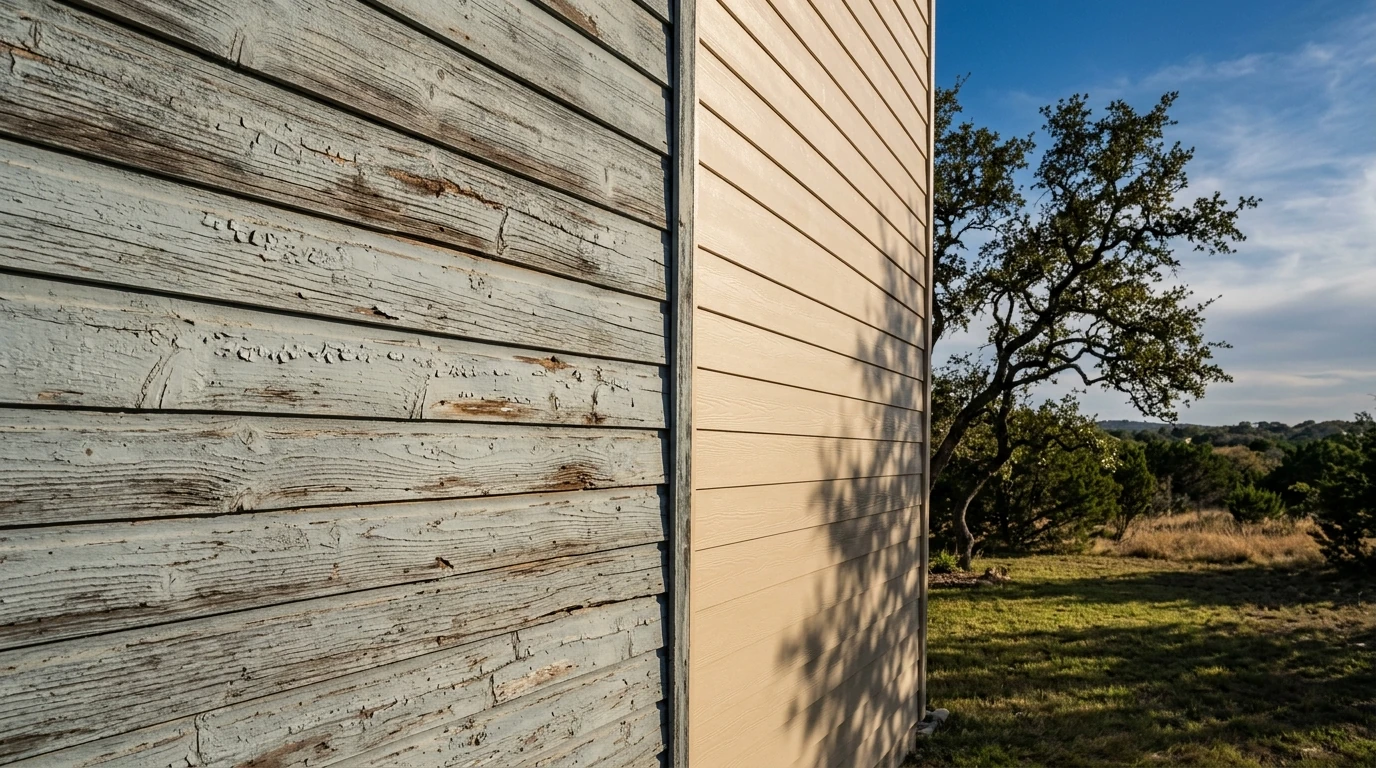
For most homeowners wondering whether siding painting services are worth it, the answer comes down to one thing - is your siding still in good shape underneath? In Austin, TX, where afternoon sun and humidity push paint to work harder than in most climates, the answer is yes for a large majority of homes. If your siding is structurally sound and showing cosmetic wear rather than real damage, painting gives you a fresh, protected exterior at a fraction of what replacement costs. The key is knowing what to look for before you commit.
When Siding Painting Services Deliver Maximum Value
Painting your siding makes the most sense when the material itself is still doing its job. You are not trying to save siding that is failing. You are refreshing siding that has life left in it but looks tired, faded, or chalky on the surface.
The conditions that point toward painting over replacement include:
- Your siding feels solid when you press on it. No soft spots, no flex, no obvious rot.
- The surface is fading, chalking, or showing light oxidation rather than cracking or buckling.
- There is no sign of moisture getting in behind the siding.
- Your siding is at least five years old, so you are past the factory-finish window on newer installations.
- You want a color change or a refreshed look without tearing everything off and starting over.
- You would rather extend the life of what you have than send a dumpster full of material to the landfill.
When those conditions line up, a professional paint job can add eight to twelve years of life to your exterior. That is a meaningful return for what is typically a fraction of the cost of replacement.
How Professionals Decide: Paint or Replace?
A good paint contractor does not just look at your siding from the driveway. Before recommending a direction, they check two things separately: what the structure is doing and what the surface is doing.
Structural Integrity Evaluation
This is the non-negotiable step. Paint cannot fix a structural problem, and applying it over one only delays a more expensive repair. A contractor will press along the lower boards and around window and door trim looking for soft spots. Any board that flexes, shows visible warping, or has gaps letting water in is a replacement candidate no matter how it looks from a distance.
If moisture has reached the sheathing behind the siding, that is a deeper issue that painting will cover up rather than fix. Surface mold is often the first visible sign that this cycle is already happening inside the wall. When rot or moisture damage covers more than about ten to fifteen percent of the siding surface, replacement tends to make more sense than painting.
Surface Condition Analysis
Once the structure checks out, the surface tells you what preparation will look like. Chalking, which is that white powder you can wipe off older painted siding, means oxidation has built up and needs to come off before any new paint goes on. Skipping that step is the main reason repainted siding starts peeling early.
Mildew or algae growth gets treated before surface prep begins. From there, the right primer depends on the siding material. Acrylic paint and primer systems work well across wood, fiber cement, and properly prepared vinyl siding. A professional will document what they find so the scope of work reflects your actual siding, not a generic assumption.
If you want a professional eye on your siding before deciding, a conversation with our full home exterior painting team is a practical place to start.
Siding Painting Cost and What You Get for It
Professional siding painting typically runs $1.50 to $4.00 per square foot. For a 2,000-square-foot home, that usually puts the total between $3,000 and $8,000 depending on how much surface preparation the siding needs and what material you have. Full siding replacement on the same home commonly runs $12,000 to $25,000 or more. For a home with sound siding, painting delivers a comparable visual and protective result for a significantly smaller outlay.
A professionally applied paint system on well-prepared siding lasts eight to twelve years before the next maintenance cycle. Over a twenty-year stretch, two paint cycles typically cost less combined than a single siding replacement. That math holds across most siding materials and most markets.
Costs move toward the higher end when there is heavy oxidation requiring extra prep work, multiple old paint layers that need removal, or rooflines that require specialized staging to reach safely. Simpler single-story homes with recently installed siding in clean condition tend to fall at the lower end. the strongest number you can get is a scoped estimate based on your actual siding, not an industry average. Starting with power washing and surface preparation gives you a clear picture of what your prep scope looks like before any final decisions are made.
How Long Will Painted Siding Last?
The honest answer is that longevity depends more on preparation quality than on any other single factor. A clean, properly primed surface with a good acrylic exterior paint applied in the right weather conditions will outperform a rushed job over marginal prep by several years.
Homes in Austin, TX that take direct afternoon sun on west-facing walls will see those surfaces fade faster than north-facing ones. That is normal and manageable. Keeping an eye on high-exposure faces and doing light touch maintenance before the coating fully breaks down can extend your overall system life without a full repaint. It also helps to keep records of what products were used and what prep steps were done. Future maintenance cycles go faster when that information is already documented.
Material Matters: What Kind of Siding Do You Have?
Different siding materials behave differently under paint, and knowing which one you have helps set realistic expectations going in.
- Wood siding is the most forgiving to repaint. It accepts paint readily, but moisture content should be checked first and seam edges need attention to prevent early peeling.
- Fiber cement siding is an excellent candidate. Its factory primer accepts topcoats well, and prep mostly focuses on cleaning and spot-priming any chips or damage.
- Vinyl siding can be painted successfully when it is clean, free of oxidation, and coated with a formulation that can move with the siding as temperatures change without cracking.
- Aluminum siding needs existing oxidation removed and a compatible primer applied before topcoats. Without that step, adhesion problems show up within a season or two.
- Engineered wood products vary by brand. It is worth checking whether painting affects any remaining warranty before the project begins.
Your siding material shapes what prep looks like and which products get used. A professional identifies what you have, checks its current condition, and builds the scope around that.
Insurance and Warranty: What to Check Before You Paint
Two things are worth looking into before you authorize a paint project, especially on newer siding. First, check whether your siding carries an active manufacturer warranty and whether painting affects it. Some vinyl siding warranties include terms around third-party coatings. This is most relevant for vinyl installed within the last ten years. Many warranties allow painting with compatible products. The point is to confirm that before the work starts rather than after.
Second, if your siding already has identifiable moisture damage or rot, painting over it without addressing the underlying condition can create complications if you file a homeowner's insurance claim down the road for interior water damage. Having a professional document what they found before painting protects you in that situation. If the assessment turns up damage that looks like it could be a covered event, it is worth pursuing that before moving forward with painting.
The Right Time of Year to Paint Siding
Exterior paint needs surface temperatures between 50 and 90 degrees Fahrenheit and relative humidity below about 85 percent to bond and cure properly. In Austin, TX, those conditions line up most reliably in spring and fall. Summer afternoons can push surface temperatures on south and west walls above the application window by mid-morning, which shortens the usable painting time each day.
Spring projects, roughly March through May, give you the most predictable conditions and a long cure window before summer heat sets in. Fall projects in October and November work well for most years too, though the schedule should account for cold fronts that can drop overnight temperatures quickly. Starting surface preparation ahead of the optimal paint window means the crew can move into application as soon as conditions allow without weather-driven delays.
What a Professional Siding Paint Job Actually Includes
The difference between a paint job that lasts a decade and one that starts failing in three years is almost entirely in what happens before the first coat goes on. A professional process starts with power washing to remove dirt, mildew, and chalking. Where mold or algae is present, a treatment goes on before prep begins. All failed or peeling paint gets scraped and feathered. Bare substrate gets spot primer, and areas where the existing paint system is compromised get full priming coats.
For topcoats, acrylic exterior paint systems are the current standard across most siding materials. They offer flexibility, moisture resistance, and color retention that holds up better than oil-based alternatives on exterior surfaces. Two finish coats over a properly prepared and primed surface is standard. Each coat goes on within the manufacturer's recommended recoat window so the layers bond correctly.
If you are weighing whether your vinyl siding is a good candidate, our vinyl siding painting service includes a full evaluation before any work begins so you know exactly what you are getting into.
Why Choose Ace Hardware Painting Services North Austin
We know that taking on a siding project feels like a big decision, and we want to make it easier for you. Ace Hardware Painting Services North Austin uses Benjamin Moore premium exterior paints and stains on every project, and we include color consultation with physical samples so you can see how your finish options actually look against your siding in natural light before anything gets painted. Our crews are background-checked W-2 employees who show up on time and take the prep work seriously, because that is what determines how long your paint job lasts. Every project is backed by a workmanship guarantee, and our familiarity with how homes throughout Austin, TX handle heat, humidity, and UV exposure shapes how we approach every job. If your siding has passed the structural check and you are ready to move forward, we will walk you through exactly what your project involves. Get an Estimate from Ace Hardware Painting Services North Austin and take the next step with confidence.
FAQ
How much does it cost to have siding painted professionally?
Most whole-home siding paint projects fall between $3,000 and $8,000, with professional rates typically running $1.50 to $4.00 per square foot. The actual number depends on your home's size, siding material, and how much surface preparation is needed. Heavy oxidation, multiple old paint layers, or a complex roofline push the cost toward the higher end. A scoped estimate based on your specific siding gives you a far more useful number than any general range.
Is painting siding a good idea if it is older?
Age alone is not the deciding factor. What matters is whether the siding is still structurally sound. If it feels solid, has no soft spots or warped boards, and is showing cosmetic wear rather than physical failure, it is a strong candidate for painting regardless of how old it is. Siding with active rot, moisture intrusion, or buckling boards is a replacement conversation at any age.
How long does painted siding typically last before needing maintenance?
A professionally applied paint system on well-prepared siding typically holds up for eight to twelve years before the next maintenance cycle. Preparation quality, coating system, and sun exposure all play a role. West and south-facing surfaces in sunny climates tend to show earlier fading, so keeping an eye on those walls and doing spot touch-ups when needed can stretch the overall system life before a full repaint is required.
Can painting vinyl siding void its manufacturer warranty?
It depends on the manufacturer and when the siding was installed. Some vinyl siding warranties include terms that are affected by third-party coatings, particularly on siding installed within the last ten years. Many warranties do allow painting with compatible products. The right move is to pull the warranty documentation and confirm the terms before the project starts rather than finding out after the fact.
What are the signs that siding should be replaced rather than painted?
Replacement makes more sense when you find active rot affecting a meaningful portion of the surface, boards that are warping or buckling and no longer sealing out weather, or signs that moisture has reached the sheathing behind the siding. Surface mold that keeps coming back after cleaning often points to a moisture issue inside the wall rather than just a surface condition. A professional assessment will document what they find and help you understand clearly which direction makes sense for your home.