
How Long Does It Take to Paint Siding?
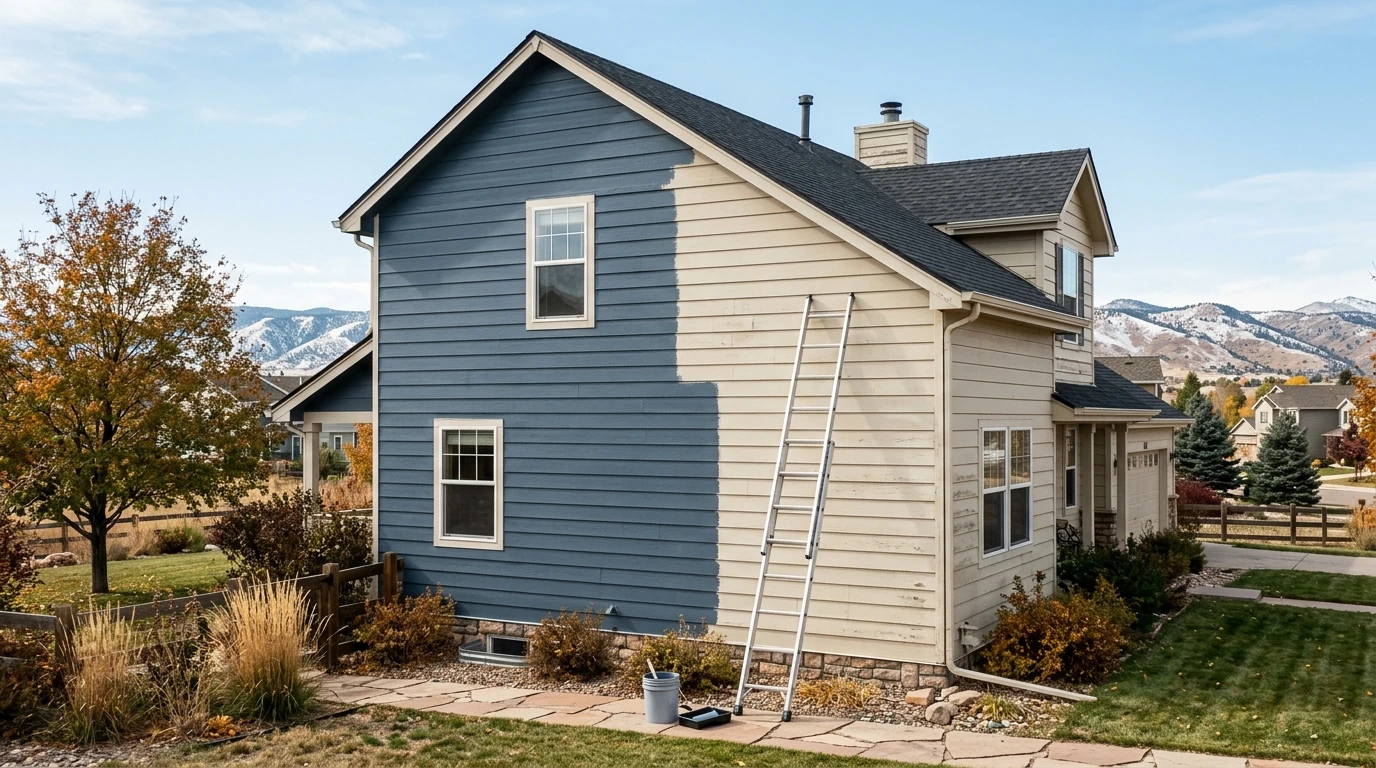
How long does it take to paint siding? For most homes, the answer is two to five days from start to finish. That range moves based on house size, siding material, surface condition, and the weather cooperating. Homeowners in Lakewood, CO planning an exterior refresh should know that prep work alone can take a full day before a single drop of paint goes on. Knowing what each phase involves helps you set realistic expectations and plan the rest of your week around the project.
Siding Painting Timeline Overview
Every siding painting project moves through three main phases: preparation, priming, and paint application. Each one feeds into the next, and rushing through an earlier phase almost always creates more work later. For a standard two-story home with average surface condition, a professional crew typically wraps the whole sequence in three to four days. A smaller home with clean, well-maintained siding can come in around two days. A larger home or one that needs repairs before painting can stretch to six days or more.
A few things reliably push a project toward the longer end of the exterior painting duration range: poor surface condition, a siding material that needs extra prep, bad weather timing, and a smaller crew without spray equipment. On the flip side, a well-maintained surface, comfortable temperatures, and an experienced crew with airless sprayers can bring the house siding paint time in closer to the short end.
If you want a tighter estimate before you plan your schedule, a site walk with a professional through your full home exterior painting project gives you a number that actually reflects your specific home.
Timeline by House Size and Siding Material
House size is the most common starting point for estimating how long a project will run. But siding material adds real variation that most general timelines skip over, so it is worth knowing both.
Based on painted siding surface area, here is what professional timelines typically look like:
- Under 1,000 sq ft of siding surface: one to two days covering prep, prime, and two coats of paint.
- 1,000 to 2,000 sq ft: two to three days under normal conditions with a standard crew.
- 2,000 to 3,000 sq ft: three to four days, with scaffolding setup adding roughly a half-day at the start.
- Over 3,000 sq ft: four to six days depending on stories, trim complexity, and any repairs needed.
Siding material affects how long painting takes in ways that go well beyond square footage. Vinyl siding is generally the quickest to prep because it does not absorb moisture and rarely needs patching, though you do need an adhesion primer before paint goes on. Wood siding usually takes the most prep time of any material. Older wood can have peeling paint, raised grain, and soft spots that need scraping, sanding, and filler before a crew can prime. Fiber cement siding accepts paint well but typically needs a full primer coat when raw or when the factory finish has weathered down. Aluminum siding needs a good cleaning and a bonding primer, and any dents or oxidized areas have to be addressed before paint will stick properly.
Phase-by-Phase Siding Painting Process
Looking at the project phase by phase gives you a much clearer sense of where time actually goes and why each step matters for the end result.
Preparation and Surface Testing
Prep is the most variable phase in the whole siding painting timeline. For a clean, recently painted surface, it might take half a day. For a wood-sided home with failing paint and minor rot, prep can run two full days before any primer touches the wall. It is the phase that most determines how long the rest of the project takes.
Here is what standard preparation covers on most siding projects:
- Power washing the entire siding surface to clear dirt, mildew, chalk, and loose paint. Surfaces need 24 hours to dry before anything else happens.
- Scraping and sanding areas with peeling, bubbling, or flaking paint down to a stable surface.
- Moisture testing wood and fiber cement siding to confirm moisture content is below 15 percent before primer goes on.
- Patching damaged areas with exterior-grade filler, then caulking seams, gaps, and trim joints.
- Masking windows, doors, light fixtures, and anything else that is not getting painted.
Moisture testing is worth calling out specifically because it is a step that gets skipped more often than it should be. Painting over siding that still holds too much moisture traps water under the paint film and leads to early peeling, no matter how good the paint is. This matters especially after power washing or after a stretch of rainy weather. A crew that tests before they prime is one that cares about how long the finish actually lasts.
Priming and Paint Application
Once the surface is clean, dry, repaired, and ready, priming comes next. Most siding projects need at least one coat of primer, and some materials or worn surfaces need two. Primer typically needs four to six hours of dry time before the first topcoat can go on. On a warm, low-humidity day, a crew can prime in the morning and apply the first topcoat that same afternoon. On cooler or more humid days, those two steps often land on separate days.
Two topcoats are standard on siding painting projects, with four to six hours of dry time needed between coats. That means a project requiring primer plus two finish coats needs at least two to three full working days for application alone, not counting prep. Airless sprayer application moves much faster than brush-and-roller on large, flat siding runs. Textured or irregular siding often needs back-rolling after spraying to make sure coverage is even and the paint bonds well, which adds a bit of time but produces a more durable result.
Key Factors That Affect Siding Painting Timeline
Weather and Seasonal Considerations
Temperature and humidity are the two weather variables that hit house siding paint time most directly. Most exterior paints need surface temperatures between 50 and 90 degrees Fahrenheit during application and for a few hours after. Humidity above 85 percent slows drying and can cause paint to sag or fail to cure the way it should.
Rain after painting is its own concern. Fresh latex paint needs at least two hours of dry time before light rain becomes a real risk. Rain inside that window can cause the paint to wash, streak, or cure unevenly. Crews pay close attention to forecasts before starting each coat and will hold off when rain looks likely within a two-to-four hour window after a scheduled application. Weather delays can add a day or two to a project that would otherwise finish on schedule, and that is just part of doing exterior work responsibly.
Seasonal timing matters for getting a reliable window. Late spring through early fall offers the most consistent painting conditions. Summer afternoons can run too hot on south-facing or west-facing walls, so early morning starts on those exposures let crews get paint on before surface temperatures climb too high.
Equipment and Technique Impact
Crew size and equipment make a real difference in how fast a siding project moves. A two-person crew using airless sprayers covers significantly more surface area per day than a two-person crew working with brushes and rollers. On a 2,000-square-foot siding surface, that difference can amount to a full working day in application time.
Multi-story homes add scaffolding setup as a separate time factor. Getting scaffolding up and secured typically takes about a half-day at the start of the project, and breaking it down at the end takes another half-day. Ladder work on single-story sections sets up faster but moves more slowly across the wall, so crews often combine scaffolding on the tall runs with ladders on lower sections to find the right balance between setup time and application speed.
Timeline Expectations by Project Scope
Not every siding painting project is a whole-house repaint. Partial repaints, single-elevation refreshes, or targeted repairs on one side of the house are common scopes that shorten the overall professional siding painters time without changing how each phase works.
A single-elevation repaint on a standard two-story home can complete in one to two days including prep, prime, and two coats. Trim-only painting, when the siding body is staying as-is, typically wraps in one day for a mid-sized home. Full house repaints involving multiple siding materials, like wood clapboard on the main body and fiber cement on dormers, require treating each material through its own prep and priming sequence. That adds time proportional to the complexity, but it also means each surface gets the treatment it actually needs.
Homes with significant wood repairs are in a category of their own. Rotted window sills, damaged corner boards, or deteriorating lap siding planks all need to be fixed before paint goes on. Repair work can add one to three days before the painting phase even starts. A pre-project inspection identifies what repairs are needed upfront so you know the full scope and timeline before anyone shows up with a brush.
Planning Your Siding Painting Schedule
The most practical way to plan a siding painting schedule is to start with a pre-season inspection, find out what repairs are needed, and then lock in a painting window during months with reliable weather. Booking earlier in the season rather than waiting until late summer gives you more room to absorb weather delays without pushing into conditions that are too cool or wet for good results.
If other home improvement work is happening around the same time, sequence matters. Gutter replacement, window installation, or landscaping work near the foundation should be finished before siding painting begins. Getting paint on after those trades are done protects the fresh finish and means you are not masking newly painted surfaces to protect them from adjacent work.
For homeowners in Lakewood, CO coordinating a project that involves multiple trades, building a two-week buffer around the siding painting schedule gives you reasonable room for weather contingencies and any repair surprises without leaving the project timeline open-ended. When you are ready to put a real plan together, our crew at Ace Hardware Painting Services Metro Denver is glad to walk through the scope with you and set a timeline that makes sense for your home. Get an Estimate from the local team.
Why Choose Ace Hardware Painting Services Metro Denver
A siding painting project is a real commitment of time and trust, and we want the experience to feel straightforward from the first conversation to the final walkthrough. Ace Hardware Painting Services Metro Denver starts every exterior project with a thorough surface inspection so you know exactly what prep is involved and what the timeline actually looks like before any work begins. Our crews are background-checked W-2 employees, which means you get consistent, accountable people on your property every day of the project. We paint with Benjamin Moore exterior products matched to your siding material and conditions, and every project comes with a workmanship guarantee so you have real peace of mind after we wrap up. For homeowners still working through color decisions, color consultation with physical samples is included. If you are planning a siding project and want a team that handles the details so you do not have to, Schedule Today with Ace Hardware Painting Services Metro Denver.
FAQ
How long does it take to paint the exterior of a 1,500-square-foot house?
A 1,500-square-foot home with average surface condition typically takes two to three days for a professional crew to prep, prime, and apply two coats of paint. Homes with significant peeling, repairs needed, or second-story scaffolding may run closer to three to four days. Weather and drying time between coats are built into that range.
Does siding material affect how long the painting project takes?
Yes, and it is one of the bigger variables in the timeline. Wood siding usually takes the most prep time because of scraping, sanding, and moisture testing. Vinyl siding preps faster but needs a bonding primer for paint to stick. Fiber cement and aluminum fall somewhere in between, with fiber cement typically needing a full primer coat when the factory finish has worn down.
What happens if it rains shortly after painting?
Fresh latex paint needs at least two hours of dry time before light rain becomes a real concern. Rain inside that window can cause the finish to streak or cure unevenly. Crews check forecasts before each coat and will delay application when rain looks likely within a couple of hours of the scheduled start. It is one of those judgment calls that protects the quality of the finished job.
How does crew size affect the siding painting timeline?
A larger crew with airless spray equipment can cover a lot more wall per day than a smaller crew working by hand. On a 2,000-square-foot surface, that difference can be a full working day in application time alone. Prep work scales with crew size too, though detail-oriented steps like caulking and moisture testing do not speed up as much with extra hands.
Can siding be painted in sections to reduce disruption?
Yes, and it is a practical approach for larger homes or situations where repair work on one elevation needs to happen before painting can proceed. Some homeowners also choose to phase a project across seasons. Phased painting works well as long as transition points between sections are planned carefully to avoid visible lap lines or sheen differences where the sections meet.