
How Do You Choose Paint for High-Traffic Rooms?
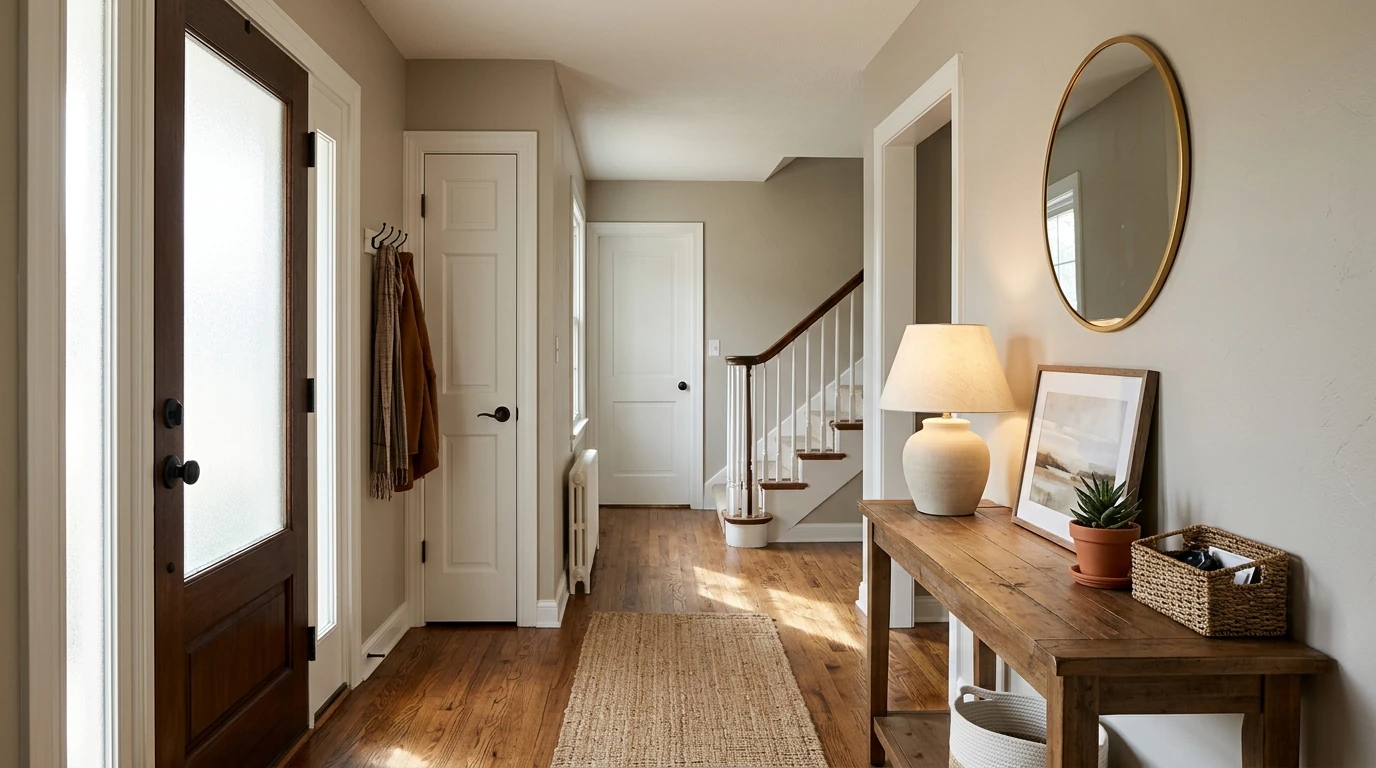
Figuring out how to choose paint for high-traffic rooms is simpler than it might seem once you know what to look for. The short answer is this: match your finish, your paint chemistry, and your prep work to how the room actually gets used. Homeowners in Lenexa, KS with busy hallways, active kitchens, and well-worn entryways need paint that can take a scrubbing, shrug off scuffs, and still look good a few years down the road. Color is part of the conversation, but washability, film hardness, and surface preparation are what determine whether that paint job holds up through real daily life or starts looking tired before the year is out.
How to Assess Traffic Levels in Your Rooms
Before you pick a finish, take a realistic look at how each room gets used. The number of people moving through, the kinds of wall contact that happen, and whether grease or moisture are present all matter. A main hallway in a household with kids and pets is genuinely high-traffic. A formal dining room used on holidays is not, even in a large home.
Here is a simple way to sort your rooms before you start shopping for paint:
- High-traffic: main hallways, mudrooms, kitchens, entryways, family rooms with young children.
- Moderate-traffic: primary bedrooms, home offices, dining rooms used several times a week.
- Low-traffic: guest bedrooms, formal living rooms, storage rooms.
- Extreme-use: laundry rooms with humidity, rental units, any room where cleaning happens daily.
Once you know where a room falls, the right paint specification follows naturally. High-traffic and extreme-use rooms need washable, scuff-resistant paint. Moderate-traffic rooms can usually get by with a standard satin finish. Low-traffic rooms give you the most flexibility because cleaning is infrequent and wear is minimal.
Essential Performance Features for High-Traffic Paint
Washability gets most of the attention, but it is only one piece of the picture. Scuff resistance, stain blocking, and film hardness all shape how a painted wall holds up through years of daily use.
Washability means the paint film can handle repeated cleaning with water, mild soap, and a soft scrub without wearing away or fading. Look for products rated for 5,000 or more scrub cycles when you are painting hallways or kitchens. Scuff resistance is a related but separate quality. A paint can be washable and still mark up easily if the film is too soft. Scuff-resistant formulas use modified acrylic binders that let the surface resist contact from shoes, bags, and furniture without showing damage.
Stain blocking matters most in kitchens and family rooms where grease, food, and the occasional crayon meet the wall on a regular basis. Some high-traffic paints build stain-blocking resins directly into the formula, which means you may not need a separate primer in rooms with sound existing surfaces. Moisture resistance is worth paying attention to in bathrooms, laundry rooms, and kitchens. Paint with mildew-resistant additives holds up noticeably better in spaces where humidity rises and falls throughout the day.
Understanding Paint Finish Options
The finish sheen you choose is the most practical decision in this whole process. It determines how easy the wall is to clean, how much it shows imperfections, and how light bounces around the room.
- Satin finish: a low-to-mid sheen that balances cleanability with a warm, soft look. Handles scrubbing well and works for hallways, family rooms, and moderately busy bedrooms.
- Semi-gloss finish: higher sheen with better moisture resistance and a harder film. The go-to for kitchens, bathrooms, trim, and doors where contact is frequent.
- Gloss finish: the hardest and most washable option. strongest on doors, trim, cabinets, and accent surfaces where a high-shine look is fine.
- Eggshell finish: a bit more sheen than flat, but noticeably less scrubbable than satin. Fine for moderate-traffic rooms, but not the right call for truly busy spaces.
- Matte finish: hides wall imperfections well but offers limited washability. strongest saved for ceilings and low-traffic rooms.
The satin vs eggshell question comes up a lot. For hallway paint and kitchen paint specifically, satin outperforms eggshell in scrub resistance by a meaningful margin in standardized testing. If washability is the priority and the walls are in decent shape, satin is the more practical pick.
Advanced Paint Technologies for Demanding Spaces
Some formulations go further than standard acrylic latex for rooms where basic durability is not quite enough. Paints with antimicrobial properties use silver-ion agents to slow the growth of bacteria and mold on the paint surface, which is particularly useful in kitchens, bathrooms, and laundry rooms where surface hygiene matters beyond routine cleaning. Commercial-grade paint formulations carry higher resin content and thicker film builds than standard residential products, and when applied in a residential extreme-use room, they meaningfully extend the time before repainting is needed. Low VOC formulas have come a long way. Current low VOC acrylic latex options in satin and semi-gloss now hold up comparably to traditional formulations, making them a practical choice when indoor air quality during and after painting matters to your household. Primer-in-one products are convenient when surfaces are sound, but in high-traffic applications where strong adhesion is the goal, a dedicated primer coat typically produces better long-term results.
Room-Specific Paint Selection Strategies
Each high-traffic room has its own demands. What works in a hallway may not be the right choice for a kitchen or a mudroom, so it is worth thinking through each space on its own terms.
Hallways take a lot of contact from bags, clothing, and furniture bumping into walls. A satin or semi-gloss finish in a mid-tone or deeper color gives you both durability and visual resilience. Light colors in hallways tend to show marks more readily and need touching up more often. For kitchen painting in an active household, semi-gloss is the standard choice because it stands up to degreasing products that would damage lower-sheen finishes. A washable paint with built-in stain blocking takes even more work off your plate day to day. Entryways and mudrooms deal with outdoor dirt, wet coats and shoes, and constant foot traffic. A semi-gloss or high-satin finish with scuff resistance handles that combination well. Family rooms with young children do well with a satin washable paint that has stain-blocking built in. Being able to wipe crayon or food off the wall without repainting is a genuine quality-of-life benefit. Bathrooms need moisture-resistant formulas in semi-gloss, and mold and mildew resistance should be confirmed on the label rather than assumed.
Surface Preparation for High-Traffic Applications
A great paint product applied over a poorly prepared surface will still fail early. Preparation is at least as important as the paint you choose, and high-traffic rooms need a bit more attention here than standard spaces.
Walls in busy rooms pick up grease, skin oils, and cleaning product residue over time. A simple wipe-down before painting often does not get all of it, and what is left behind can cause adhesion failures within the first year. Degreasing with a TSP substitute or equivalent cleaner before painting removes those bond-breaking contaminants. Patch any holes or dings with a shrink-resistant compound, sand smooth, and spot-prime before applying a full primer coat. High-traffic paint film is harder and less forgiving of surface bumps than softer finishes, so a smooth base matters more here. A full primer coat is the right call in high-traffic applications even when the product label suggests you might be able to skip it. Primer improves adhesion, seals surface porosity, and gives the topcoat a consistent base to cure against. On walls that have been repainted many times, a bonding primer addresses adhesion risks that a standard primer may not fully resolve. For exterior high-traffic surfaces like entry columns and porches, power washing removes heavier contamination more effectively than hand-cleaning before painting begins.
Paint Chemistry and Composition Considerations
Acrylic latex is the workhorse chemistry for high-traffic residential painting. Water-borne 100% acrylic latex formulations offer a combination of adhesion, flexibility, and washability that oil-based alternatives no longer reliably outperform in most home settings. The acrylic film cures with enough flexibility to handle minor wall movement without cracking, which matters in older homes where surfaces shift a bit with the seasons.
Resin content is what really drives durability in an acrylic latex formula. Higher resin content produces a harder, more scrubbable film. The exact resin percentage is rarely printed on the label, but scrub-cycle ratings and film thickness per coat give you a practical signal. 100% acrylic formulas outperform vinyl-acrylic blends in scrub resistance and stain blocking. For high-traffic rooms, a 100% acrylic formula in satin or semi-gloss gives you the strongest combination of washability, adhesion, and lasting film integrity available in residential paints.
Maintenance Protocols for Maximum Paint Performance
Even durable paint benefits from a simple care routine. How often you clean, what you use, and how you apply it all affect how long the finish looks good and stays intact.
For routine cleaning, a soft sponge or microfiber cloth with mild soap and warm water handles most marks on satin and semi-gloss surfaces without damaging the film. Avoid abrasive scrubbers, which can dull the sheen and wear down the film over time even on scrubbable formulations. Cleaning marks promptly works better than letting them sit. Grease and food contact in kitchens is much easier to address before it bonds to the surface. A quick weekly wipe of high-contact areas does more to preserve the finish than an occasional deep cleaning session.
A few habits that make a real difference over time:
- Use pH-neutral cleaners on satin surfaces to avoid dulling the sheen gradually.
- Blot rather than rub when addressing fresh marks or spills on walls.
- Avoid ammonia-based cleaners on painted surfaces unless the product label confirms compatibility.
- Check high-contact areas near door frames and light switches every few months for early signs of wear.
- Touch up small areas promptly with the original paint before wear spreads to a larger section.
Households in Lenexa, KS benefit from setting up a simple wall-care routine right after painting rather than waiting until something looks worn. A quick cleaning check at the 30-day cure mark confirms how the surface is performing and gives you a baseline for the space going forward. For full home interior painting projects, writing down the paint product, finish, and color for each room makes future touch-ups much easier.
Performance Expectations and Repainting Timelines
A quality acrylic latex in satin or semi-gloss, applied over properly prepared walls, typically holds up well for three to seven years in high-traffic residential spaces before repainting makes sense. That is a wide range because household size, cleaning habits, prep quality, and number of coats all shift the outcome.
Hallways with heavy daily use often land toward the shorter end of that range. Kitchens painted in semi-gloss with proper degreasing and a full primer coat regularly reach the longer end. The signs that a surface is getting close to needing attention include visible film erosion in high-contact spots, stains that cleaning no longer removes, walls that look dull or patchy after washing, and cracking or peeling at corners or seams. A surface that has faded in color but still has an intact film can often be refreshed with a single recoat rather than a full repaint. Checking the surface condition first is always worth the step before committing to a full project.
Optimizing Paint Selection for Your Usage Patterns
Paint quality tiers perform differently in practice, and the right tier depends on how hard the room actually works. In a space with extreme daily use, stepping up from a mid-range washable paint to a higher-resin 100% acrylic formula may add one or two years of service life before repainting. In a moderate-traffic room, that gap in performance is much smaller and harder to justify on functional grounds alone.
Here is a practical way to think through which tier fits which room:
- Extreme-use spaces such as active kitchens, rental units, and busy mudrooms are worth specifying with the highest-resin acrylic latex formula you can find in semi-gloss.
- Standard high-traffic rooms like family hallways, living rooms, and primary bedrooms perform well with a quality residential 100% acrylic satin finish.
- Moderate-traffic rooms where occasional cleaning is the norm can use a standard residential satin or eggshell without giving up meaningful service life.
Moving up a tier makes the most sense when the cost of repainting, including the time and disruption involved, exceeds the difference in product price over the expected repaint interval. For rooms that get repainted frequently, the higher-performing formula is usually the more practical choice over time.
Why Choose Westlake Ace Hardware Painting Services Kansas City Metro
Painting a high-traffic room well takes the right product, the right prep, and someone who knows the difference. Westlake Ace Hardware Painting Services Kansas City Metro makes that process straightforward for homeowners across the Lenexa, KS area. Every residential project is completed with Benjamin Moore paints, so the satin and semi-gloss formulas going on your busiest walls are built to handle what you throw at them. Color consultation and physical color samples are included with residential projects, which means you can see how a finish and tone actually look in your space before a single drop of paint goes on the wall. All crews are background-checked W-2 employees and every project is backed by a workmanship guarantee, so you know exactly who is in your home and that the work will be done right. If you are ready to take the guesswork out of choosing and applying paint for your high-traffic rooms, Get an Estimate from the local office serving the Kansas City Metro area.
FAQ
What finish is recommended for a high-traffic hallway?
Satin finish is the go-to choice for hallway paint because it resists scuffing and holds up through regular cleaning without wearing down as quickly as lower-sheen options. If the hallway sees especially heavy contact or you want the most washable surface possible, semi-gloss is also a solid option. Keep in mind that higher sheens will show wall imperfections more visibly, so surface condition matters when making the call.
Is satin or eggshell better for high-traffic rooms?
Satin is the stronger performer in scrubbability, which makes it the right choice for rooms that see a lot of wall contact and regular cleaning. Eggshell has a slightly softer look and hides imperfections a little better, but its film is not as hard and it shows wear faster in busy spaces. For genuinely high-traffic rooms, satin holds up meaningfully longer.
How long does high-traffic paint typically last before repainting?
With proper preparation and a quality acrylic latex formula, expect three to seven years in residential high-traffic spaces before repainting is worth considering. Kitchens in semi-gloss with good prep tend to land toward the longer end of that range. Hallways with heavy daily scuffing and minimal cleaning tend toward the shorter end. Keeping up with routine cleaning and touching up worn spots early stretches the interval noticeably.
What cleaning products are safe for painted walls in high-traffic areas?
Mild dish soap or a pH-neutral all-purpose cleaner with warm water and a soft sponge handles most routine cleaning safely on satin and semi-gloss surfaces. Bleach-based or ammonia-based cleaners can dull the sheen and degrade the film over time unless the paint manufacturer specifically confirms compatibility. Abrasive scrubbers should be avoided on any painted surface regardless of how scrubbable the formula is rated.
Does surface preparation really affect how long high-traffic paint lasts?
Preparation is one of the biggest factors in paint longevity, and it matters even more in high-traffic spaces than in low-use rooms. A quality paint applied over degreased, primed, and properly patched walls will consistently outlast the same paint applied over a surface that was just wiped and repainted without full prep. Degreasing removes the contaminants that cause early adhesion failures, primer locks down the surface, and a smooth base lets the topcoat cure evenly so it stays intact through years of cleaning.